
Crosses
Linscott Cross
The 1.5 m shaft of a large medieval cross, with incised crosses and gate slots from its use as a gatepost, moved here about 1900; Grade II.


The 1.5 m shaft of a large medieval cross, with incised crosses and gate slots from its use as a gatepost, moved here about 1900; Grade II.

A medieval farmstead of at least four buildings above the Ashburn, with a longhouse 15 m by 4.6 m built along the contour, south-east of Cold East Cross.

A 44 m motte 4 m high with two baileys beside an oval Iron Age hillfort with a double rampart, 144 m by 94 m, and five more banks and ditches on its south side, in Burley Wood.

A medieval cross head, arms and shaft, 1.27 m high, cemented onto a block over an old octagonal socket stone at the south-west end of North Bovey village green; Grade II, restored 1829.
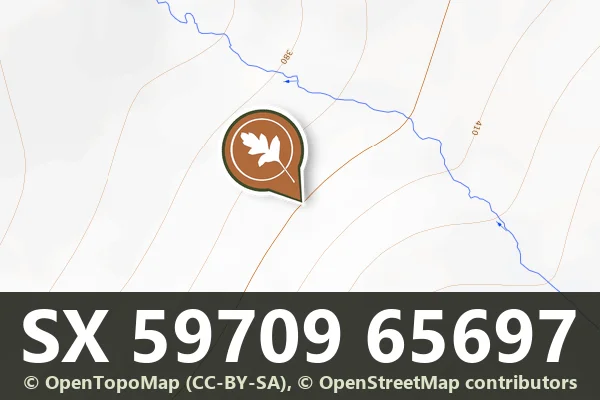
A cairn 4 m across with a central cist 1.3 m long whose cover stone, 1.5 m by 1.3 m, lies displaced on it, south of the Shavercombe Brook.
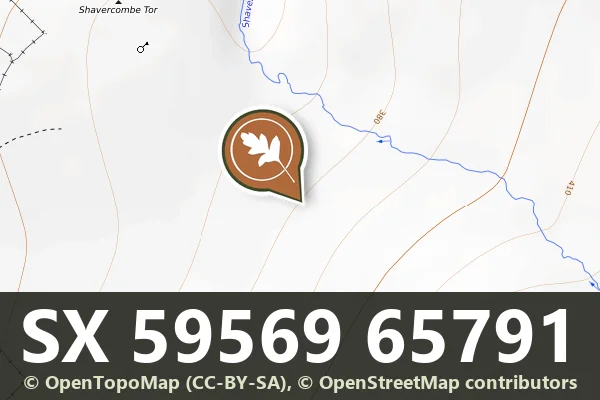
A cairn 4.5 m across with a central cist 0.8 m long, all four slabs present and the cover stone displaced north-east, south of the Shavercombe Brook.
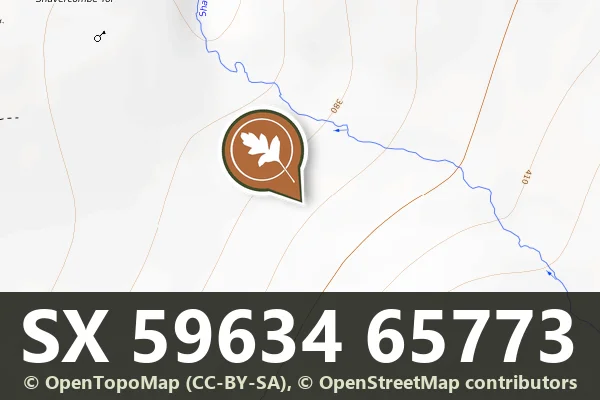
A cairn 4.5 m across with a kerb of three large stones and a cist 0.9 m long whose slabs were put back in place in an excavation in 1900.

A cairn 6 m across with a possible kerb and a cist 1.3 m long with the east end stone and cover stone displaced, south of the Langcombe Brook.

A 13th-century wayside cross, 1.6 m high, at a fork in the road at Ouldsbroom, moved to Town Farm about 1825 and put back about 1957.
 Photograph by Glavind Strachan Photography
“...it's now rare to hear the Dartmoor dialect, songs, and stories being told in homes and pubs in the hamlets and villages.”
Also on Our DartmoorDirection Post On South East Side Of Haytor Down, On North West Side Of The Road About 60 Metres North East Of The Turning To Haytor Vale — A direction post marking the junction near Haytor Vale, a modest survivor of Dartmoor's Georgian road infrastructure.
