The Laws and Customs of the Stannaries in the Counties of Cornwall and Devon
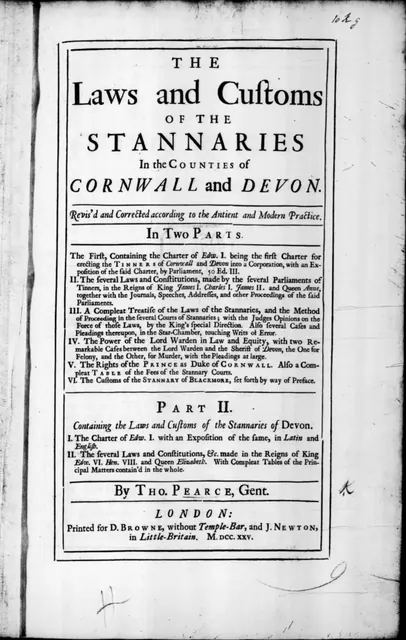
Thomas Pearce's 1725 account of the laws and customs of the tin-mining stannaries of Cornwall and Devon, in two parts.
Showing listings tagged “Tin Mining” Show all listings
Thomas Pearce's 1725 account of the laws and customs of the tin-mining stannaries of Cornwall and Devon, in two parts.
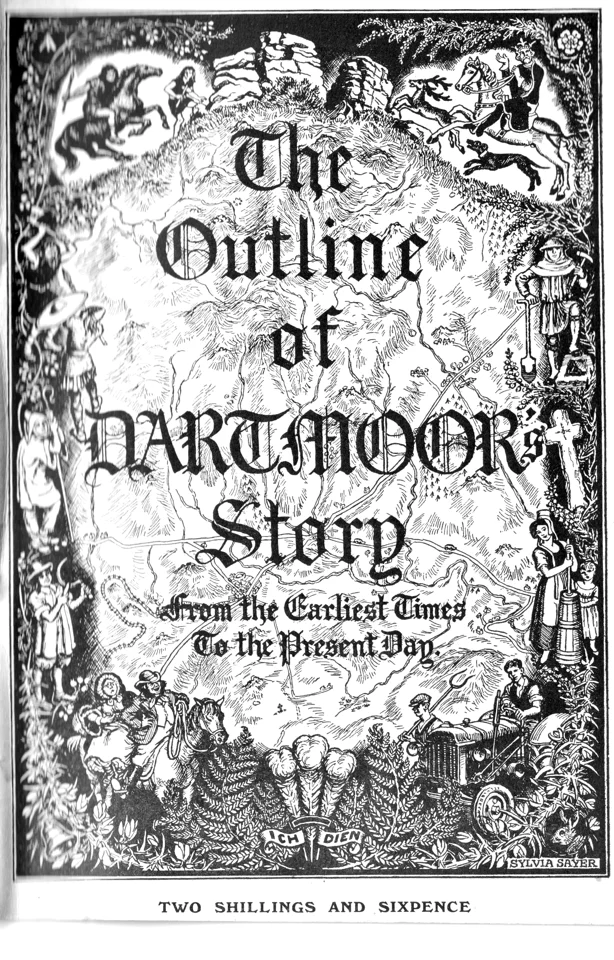
A 1951 booklet written and illustrated by Sylvia Sayer that gives newcomers to Dartmoor a bird's-eye history of the moor, from the earliest times to the present day.
Postbridge
The last tin mine worked on Dartmoor, beside the Redwater Brook; the waste heaps were still being worked until it closed on 12 November 1930.
Postbridge
Dartmoor's biggest tin mining complex: two mines either side of the Redwater valley, worked together from 1845 until 1882 and again to 1913.
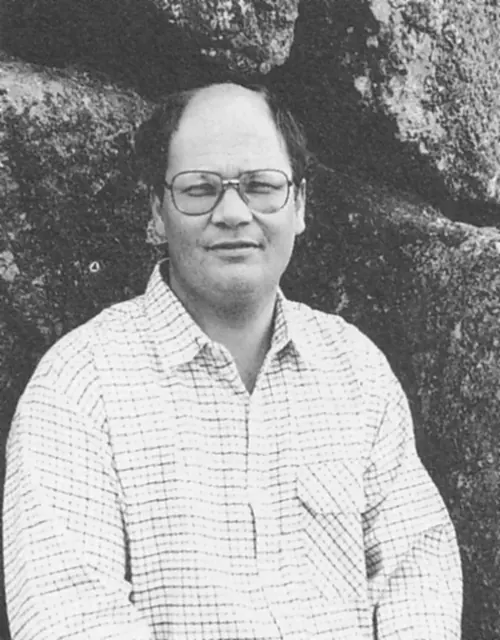
Archaeologist and author of the English Heritage Book of Dartmoor (1997), whose fieldwork is credited in many Historic England records of Dartmoor monuments.
Lydford, Okehampton
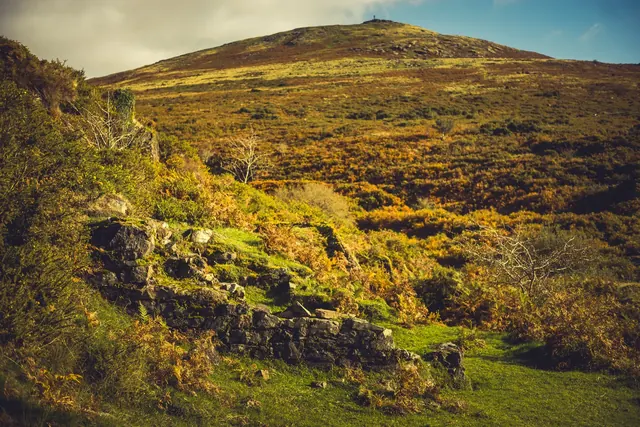
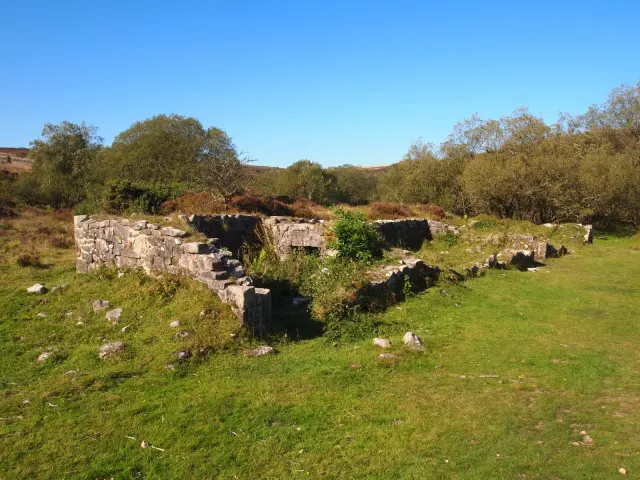
Wheal Mary Emma was a small tin mine beside the River Lyd below Brat Tor, worked from 1849 and named for its owner's ten-year-old daughter. Its capped shaft, dressing floor, smithy and office ruins survive on the slope above the river, close to the Captain Hunter Memorial.
Dartmoor Forest, Tavistock
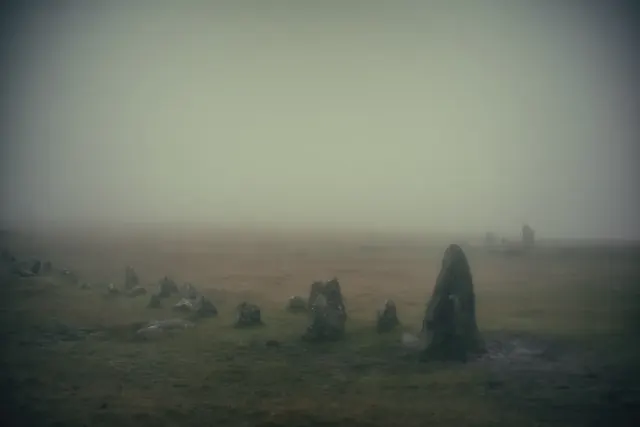
The stone rows, stone circle, standing stone, cairns and hut circles around Merrivale Bridge: Dartmoor's best-known group of Late Neolithic and Bronze Age ritual and settlement remains.
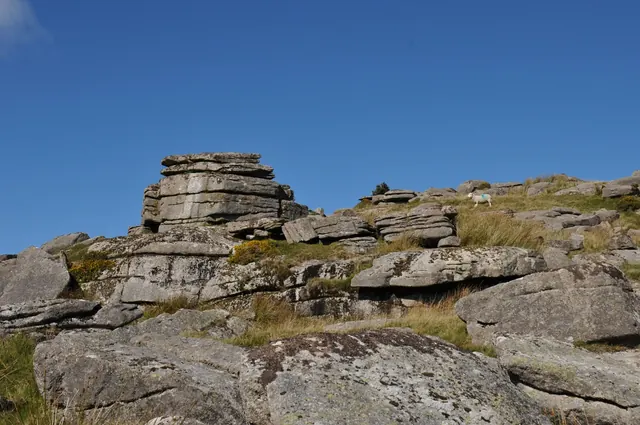
Devon's tinners met in the open air at Crockern Tor, in a stannary parliament of 96 jurats, until the last convocation in 1786.
Lydford
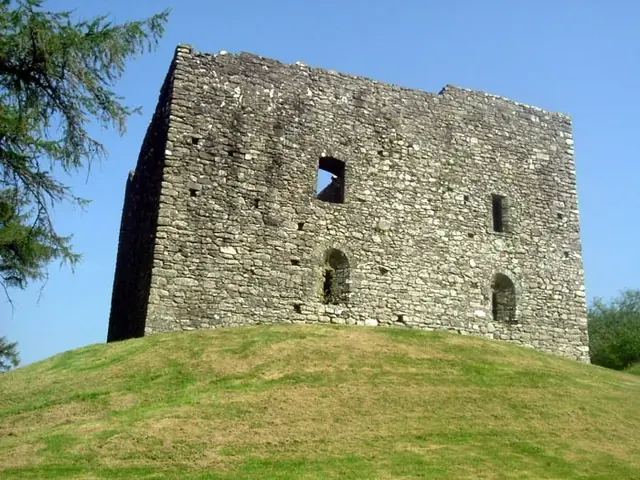
'Lydford Law' was a saying for quick, rough justice, tied to the stannary court and prison in Lydford Castle.
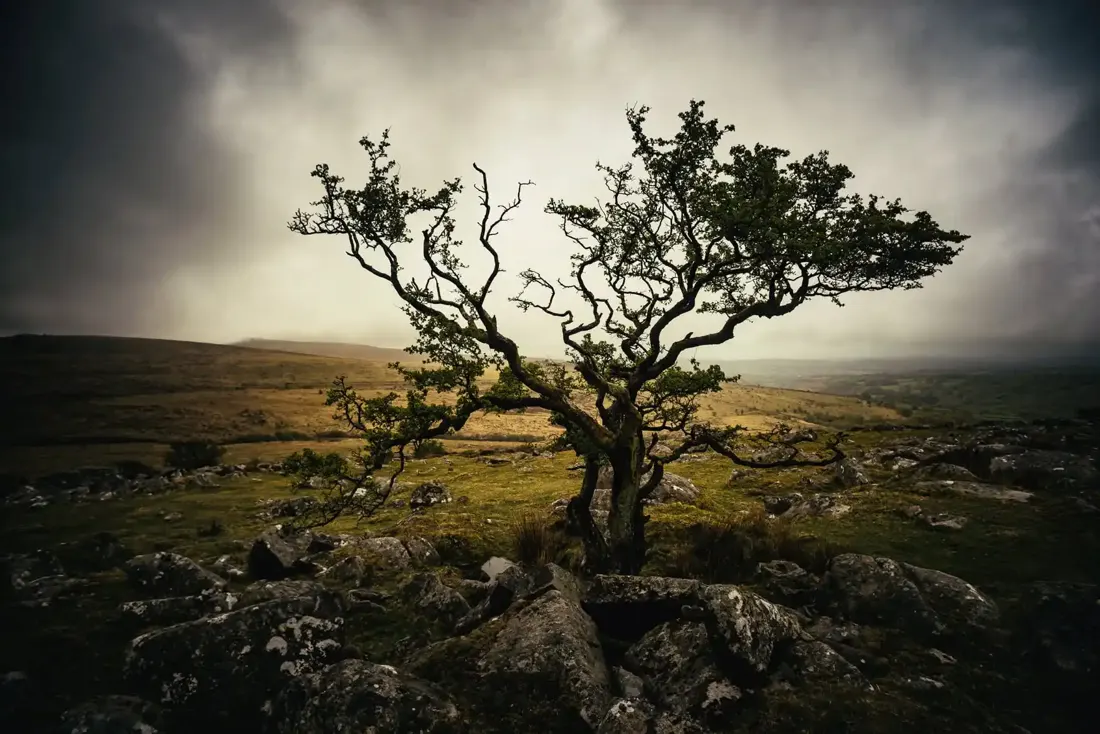
Hawthorn on Kings Tor. Photograph by Glavind Strachan Photography“She sends them forth limpid and pure, full of laughter and leap, of flash and brawl.”
Also on Our DartmoorEnclosure — Bronze Age settlement earthworks etched into Dartmoor's high plateau, where ancient communities shaped the landscape millennia ago.