Industrial Archaeology
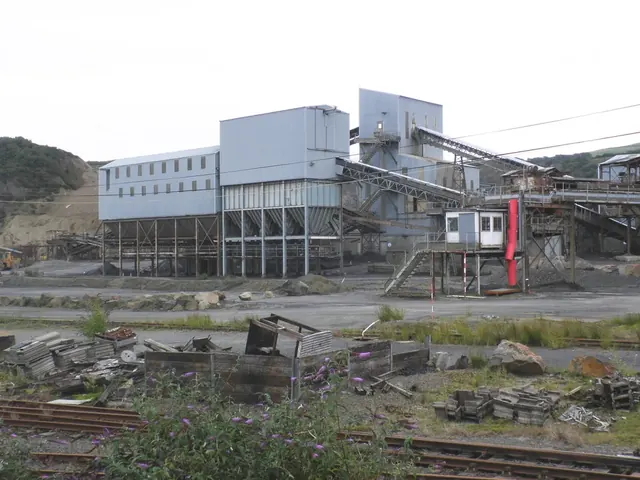
Meldon Quarry
Okehampton
The great railway ballast quarry at the northern edge of Dartmoor, opened in 1874 and mothballed in 2011.


Showing listings tagged “Industrial Archaeology” Show all listings
Okehampton
The great railway ballast quarry at the northern edge of Dartmoor, opened in 1874 and mothballed in 2011.
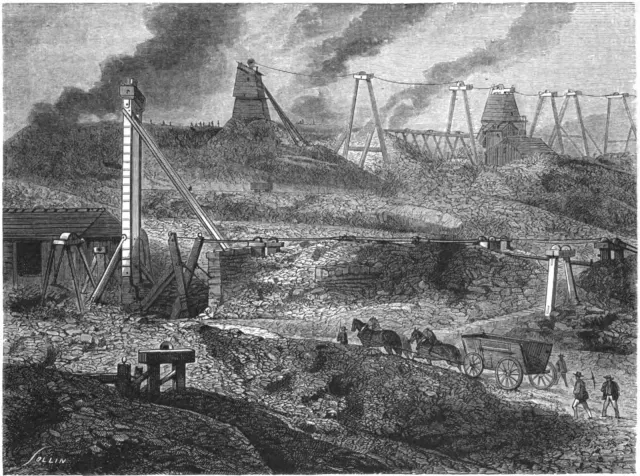
Mary Tavy
Dartmoor's most important copper mine, worked from 1700 to 1925, later the main source of arsenic; its calciners and flues survive beside Cholwell Brook.
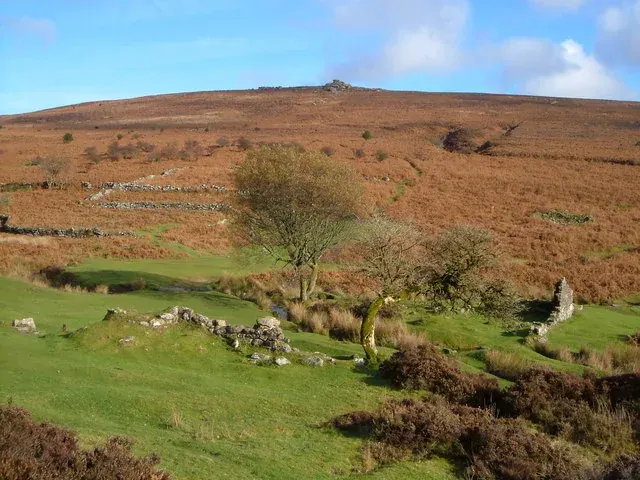
Postbridge
Dartmoor's biggest tin mining complex: two mines either side of the Redwater valley, worked together from 1845 until 1882 and again to 1913.
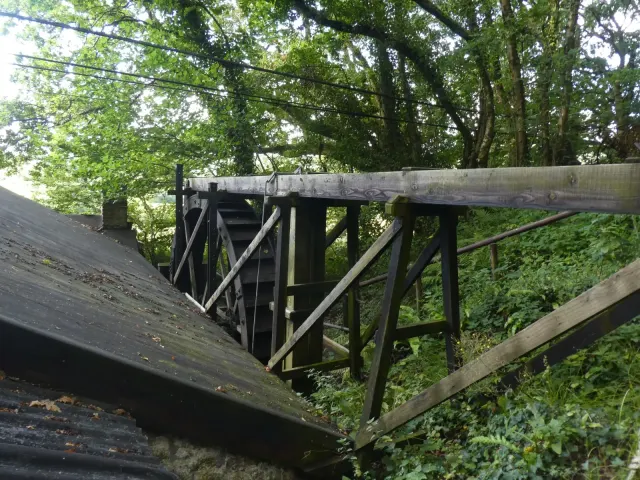
Lustleigh
A restored micaceous haematite mine beside the Bovey Tracey to Moretonhampstead road, with working waterwheels and machinery kept by volunteers.
Postbridge
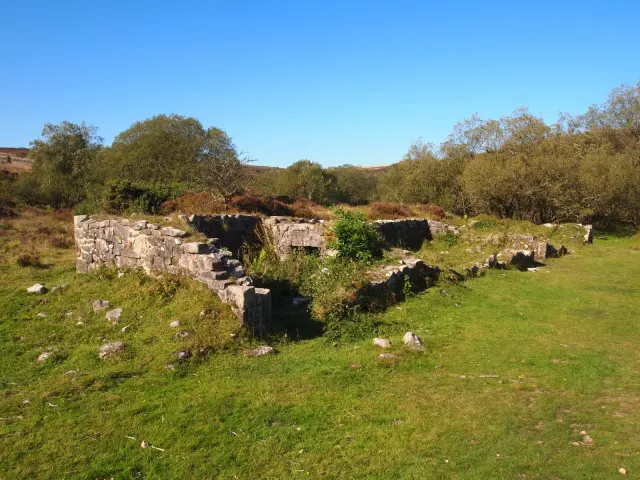
The last tin mine worked on Dartmoor, beside the Redwater Brook; the waste heaps were still being worked until it closed on 12 November 1930.
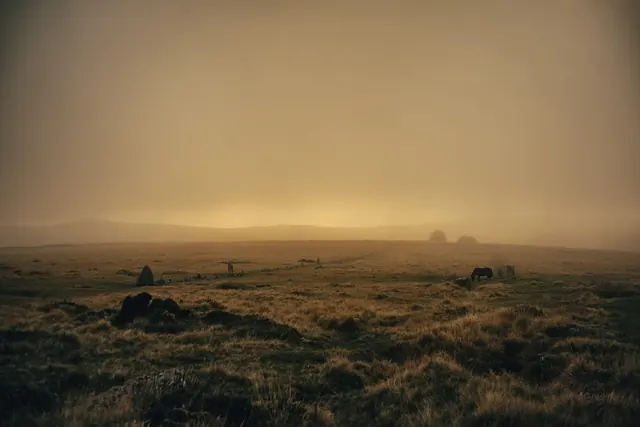
Which Dartmoor stone row is this?
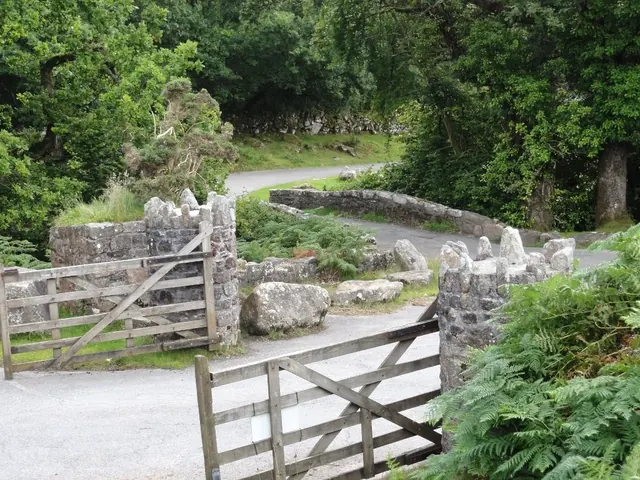
Grade II former packhorse bridge over the Avon, probably 18th century, the end of the road to Avon Dam beside the remains of the 1840s naphtha works and the later clay works.
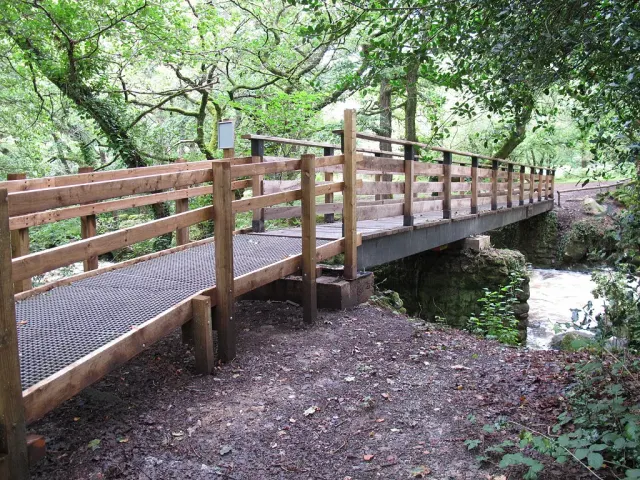
Grade II granite bridge over the Plym just below its meeting with the Meavy, rebuilt in 1825 after floodwater took the arches; the Dewerstone, the old clay works and Turner's 1813 study lie beside it.
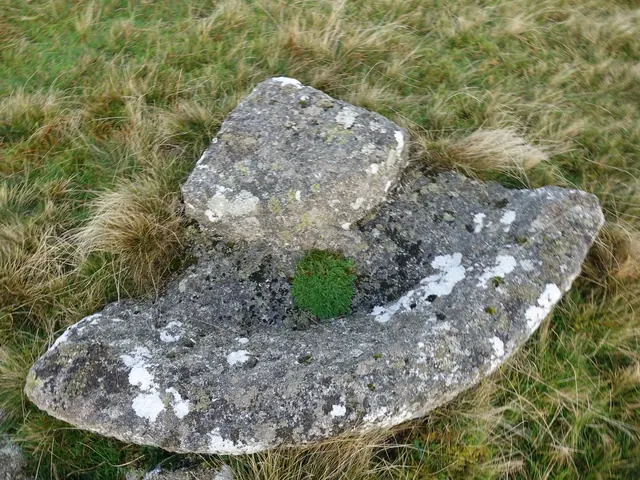
A quarter-section of a granite pound-stone, an old apple crusher, on Belstone Common close to Tors End.
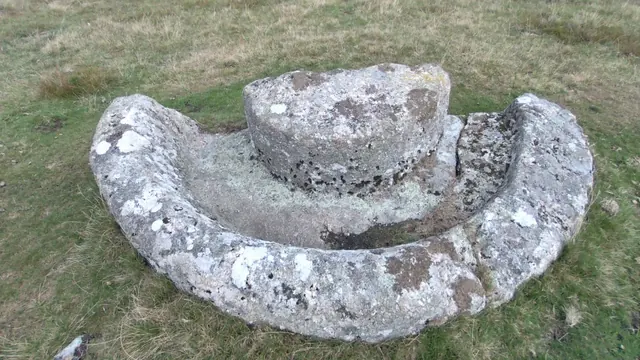
Half of an abandoned granite pound-stone, 7 ft 6 in across, on the open moor east of the western rocks of Sourton Tors: an apple crusher given up after it was damaged in transport.
