Petre's Cross
South Brent
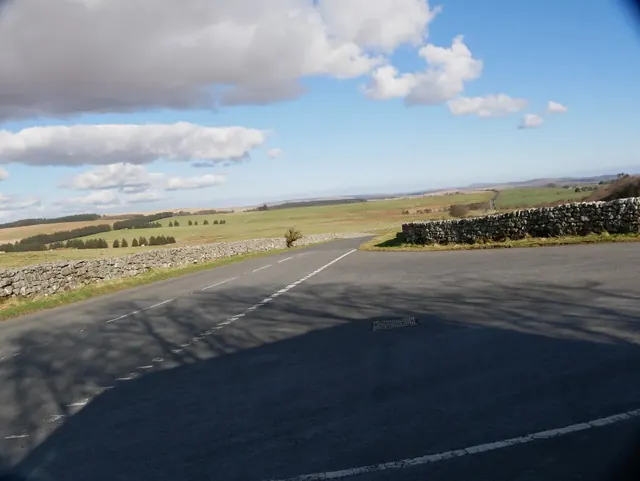
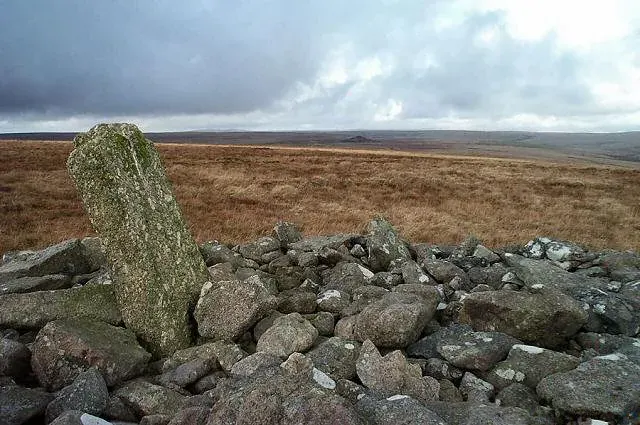
A wayside cross set upside down on Western White Barrow, one of four crosses raised by Sir William Petre to mark the Forest bounds in the 16th century.
Showing listings tagged “Historic England” Show all listings
South Brent
A wayside cross set upside down on Western White Barrow, one of four crosses raised by Sir William Petre to mark the Forest bounds in the 16th century.
Peter Tavy
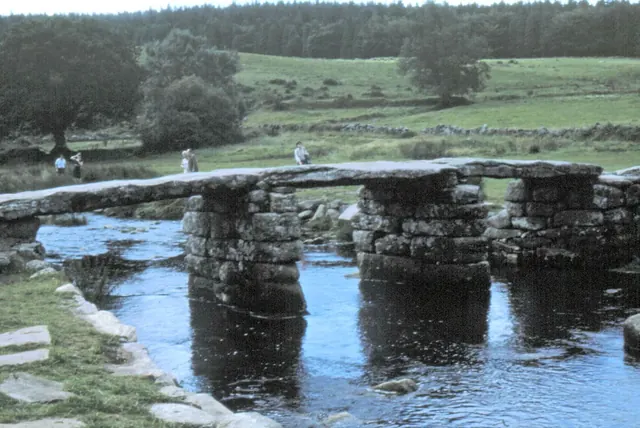
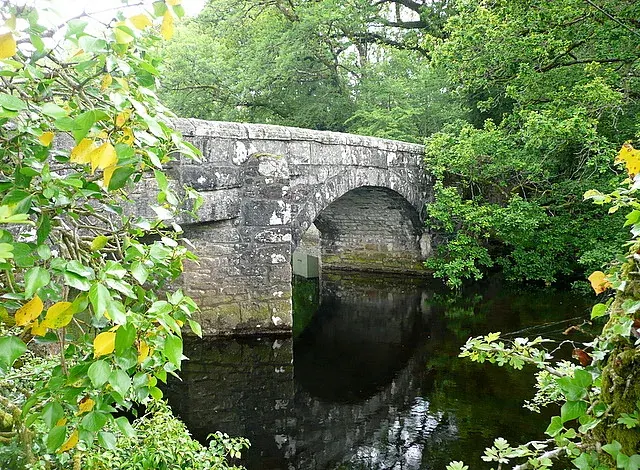
A stone bridge over the Tavy carrying the lane between Willsworthy and Cudlipptown, with a weir below it; Bray called it a most delightful scene.

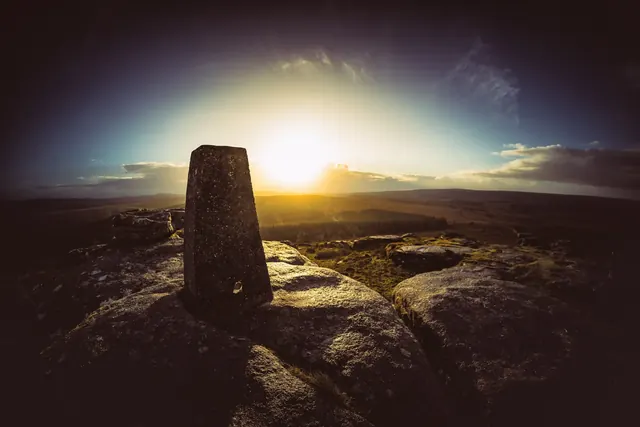
Which Dartmoor tor is this?
Princetown
The lost granite pillar on the old Forest boundary that gave Rundlestone corner, on the road from Tavistock to Princetown, its name.
South Brent
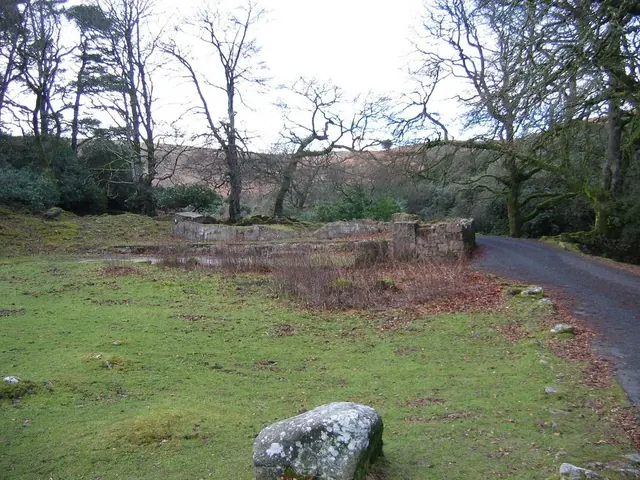
The site of a demolished Victorian mansion beside the River Avon, once a 17th-century farmstead, a hunt master's lodge and a youth hostel; blown up in 1968.
Sheepstor
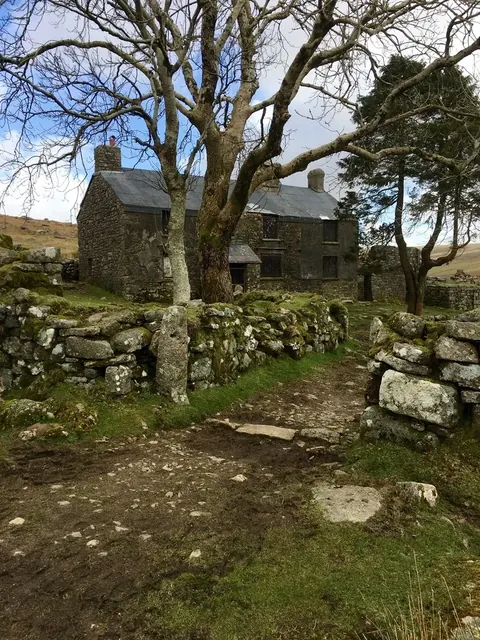
The Grade II warren house of Dartmoor's largest rabbit warren, about 220 acres with over 50 pillow mounds, in the Plym valley.
Mary Tavy
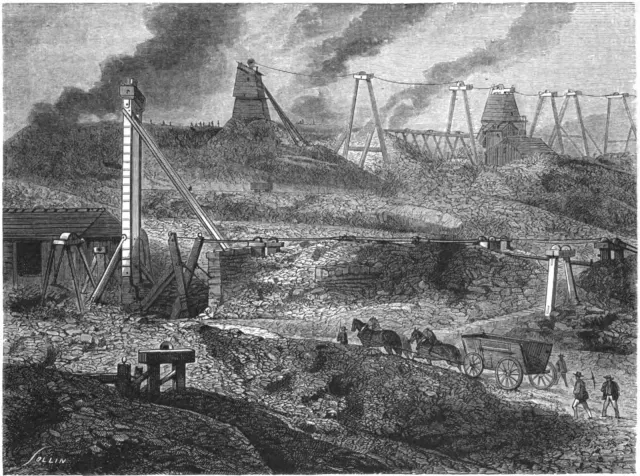
Dartmoor's most important copper mine, worked from 1700 to 1925, later the main source of arsenic; its calciners and flues survive beside Cholwell Brook.
Lustleigh
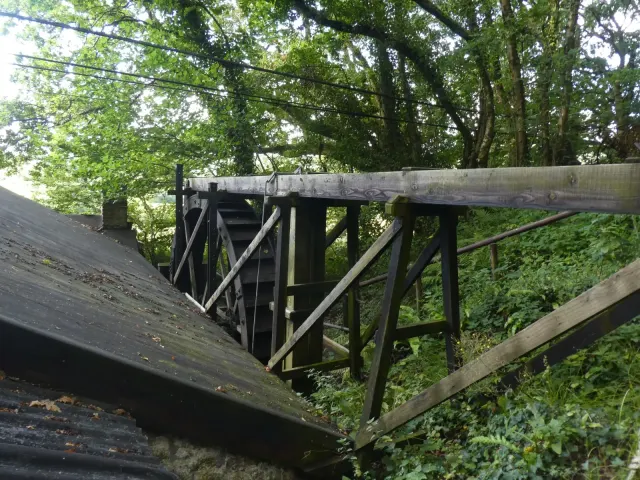
A restored micaceous haematite mine beside the Bovey Tracey to Moretonhampstead road, with working waterwheels and machinery kept by volunteers.
Postbridge
Dartmoor's biggest tin mining complex: two mines either side of the Redwater valley, worked together from 1845 until 1882 and again to 1913.
A guide to the bridges of Dartmoor: the clapper bridges of slabs on piers, the packhorse bridges and the turnpike-era road bridges, grouped by river.