Books & Publications
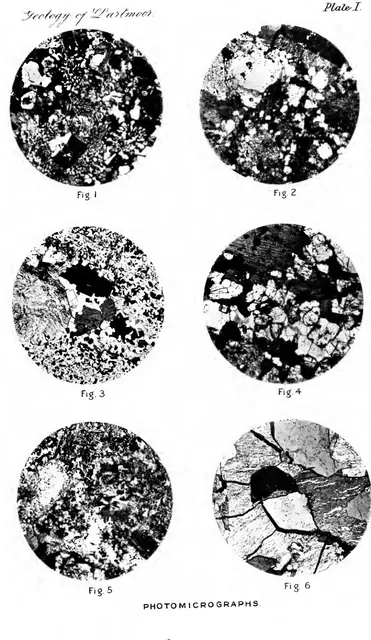
The Geology of Dartmoor
Clement Reid's 1912 study of the geology of Dartmoor, printed for His Majesty's Stationery Office.


Showing listings tagged “Granite” Show all listings
Clement Reid's 1912 study of the geology of Dartmoor, printed for His Majesty's Stationery Office.
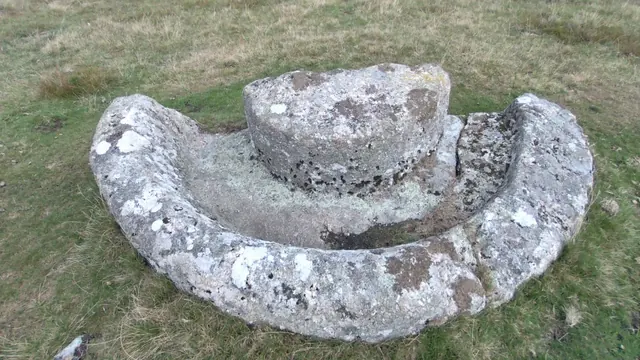
Half of an abandoned granite pound-stone, 7 ft 6 in across, on the open moor east of the western rocks of Sourton Tors: an apple crusher given up after it was damaged in transport.
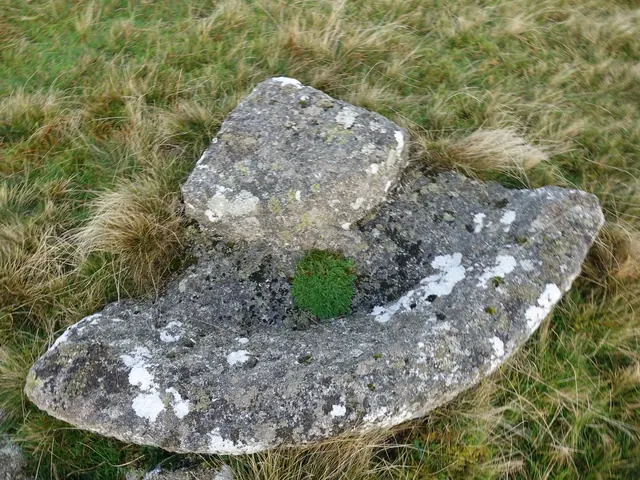
A quarter-section of a granite pound-stone, an old apple crusher, on Belstone Common close to Tors End.
Lydford, Okehampton
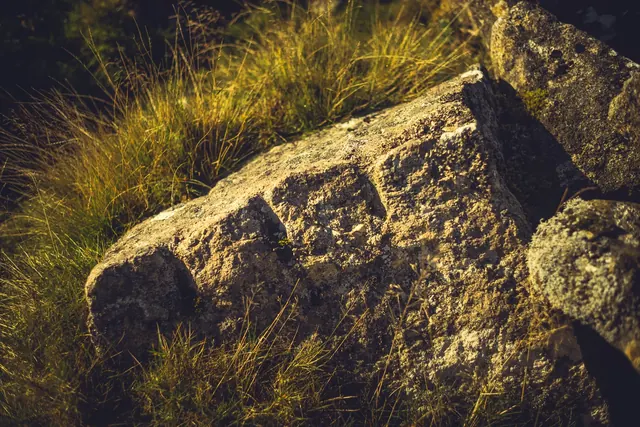
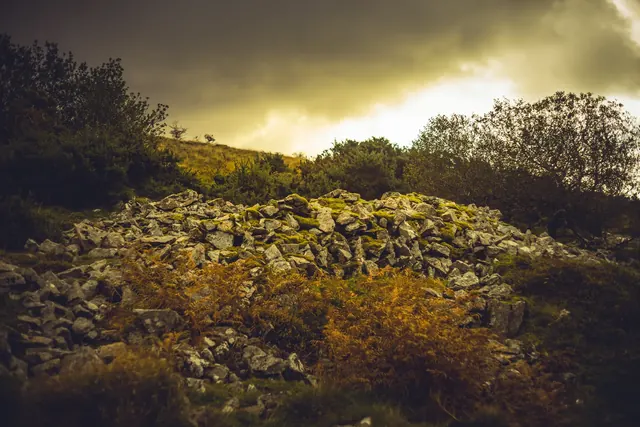
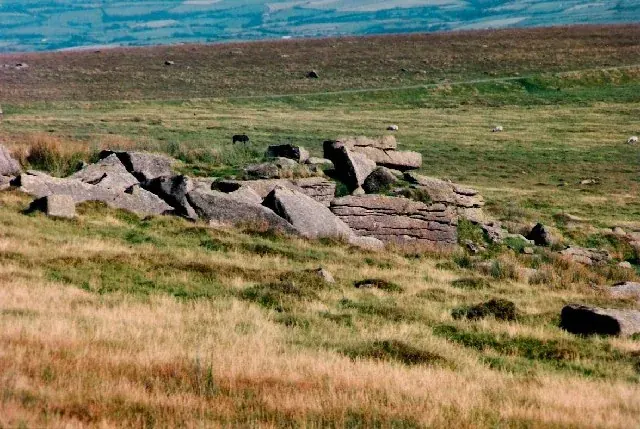
Small stone workings on the south-west slope of Brat Tor, below Widgery Cross: heaps of broken granite and blocks with the notches left by splitting stone with tare and feather. It is not marked as a quarry on the old maps and we have found no written record of one.
What was William Crossing known for in relation to Dartmoor?
Lydford, Okehampton
A small quarry marked on the 1900s Ordnance Survey map on Doetor Common, beside the track about 200 m north-north-east of Doe Tor Farm. No written record of it has been found, and a pile of loose granite in the rough ground nearby does not line up with its mapped position.
Lee Moor, Plympton
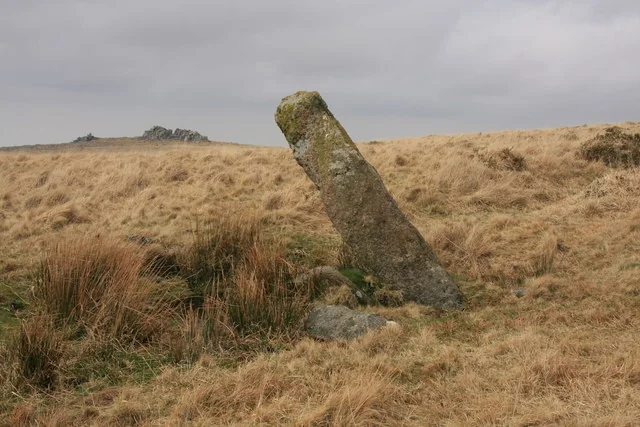
A leaning prehistoric standing stone on Lee Moor, cut with the letters C B as a boundary mark, listed among Dartmoor's sheep-stealer hanging stones.
Widecombe-in-the-Moor, Newton Abbot
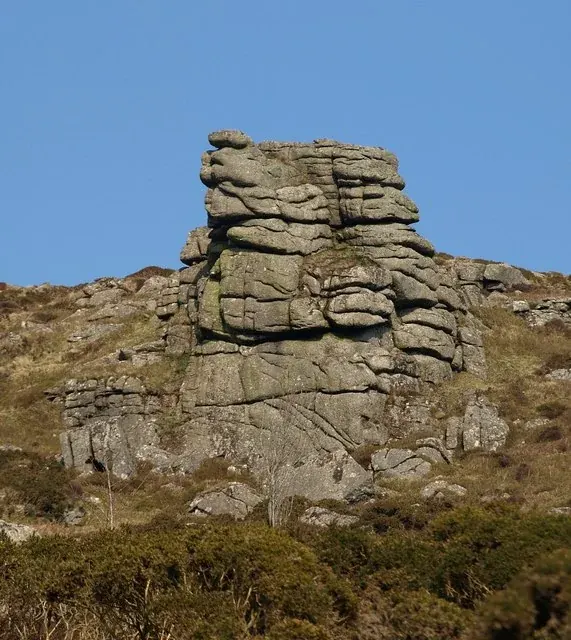
A granite rock stack on the south-west shoulder of Chinkwell Tor above Widecombe in the Moor, also called Sharpy Tor, best seen from Thornhill Lane.
Lustleigh, Bovey Tracey
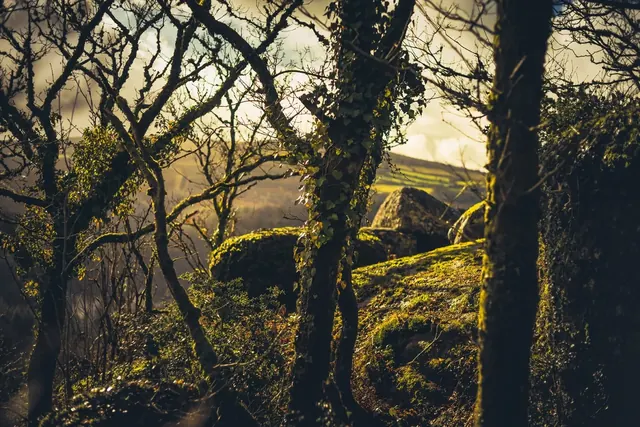
A wooded granite spur tor at the south-eastern end of Lustleigh Cleave, with the Nutcracker logan stone, old postcard views and a steep climb from Lustleigh village.
Harford, Ivybridge
A granite tor on a spur above the Erme valley, 6 km north of Ivybridge, dropping almost sheer to Piles Copse, with views to Plymouth and the South Hams.
 Photograph by Glavind Strachan Photography
“When below are mud and mist, aloft on the moor the ground is hard with frost and the air crisp and clear.”
Also on Our DartmoorEarthwork — Mysterious earthwork remnants scattered across open moorland, revealing Bronze Age settlement patterns on Dartmoor's high plateau.
