Books & Publications
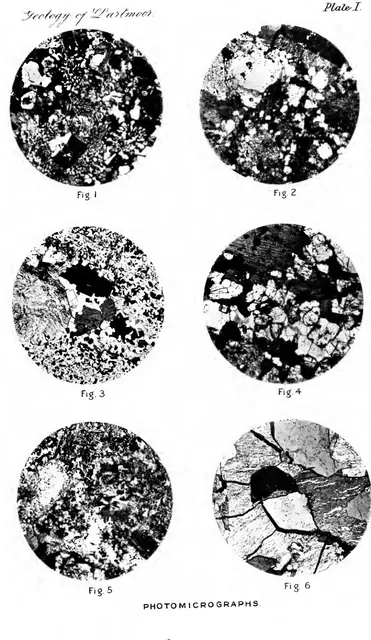
The Geology of Dartmoor
Clement Reid's 1912 study of the geology of Dartmoor, printed for His Majesty's Stationery Office.


Showing listings tagged “Geology and granite” Show all listings
Clement Reid's 1912 study of the geology of Dartmoor, printed for His Majesty's Stationery Office.
What is the earliest known name for the Walla Brook near Wallabrook Clapper Bridge?
Belstone
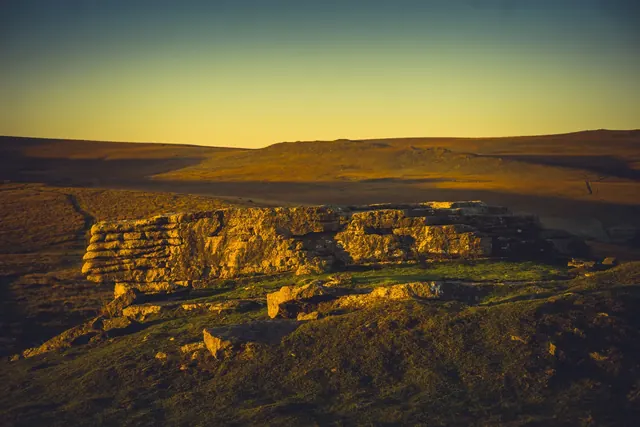
A granite stack lower down the hill from Higher Tor on the Okehampton Common side of Belstone, with wide views over the northern moor and the firing range beside it.
Bridestowe, Okehampton
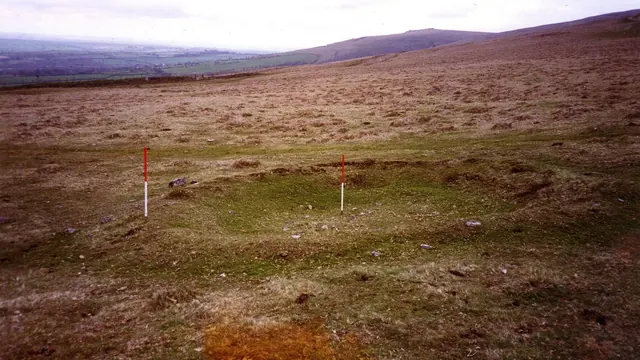
Ten Bronze Age cairns in eight scheduled monuments on the slopes and the south-facing spur of Great Nodden, two of them ring cairns.

Twenty-three stone hut circles in six scheduled monuments on Cox Tor, most in a large unenclosed settlement on the north-east slope above Colly Brook.
Exeter
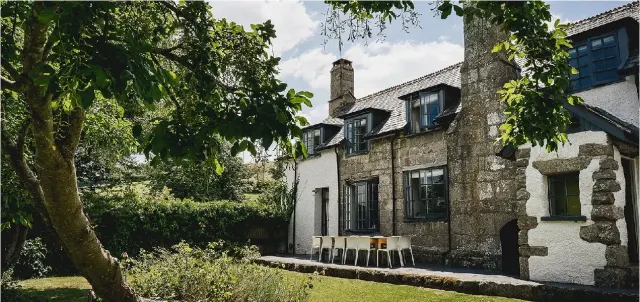
This 580 year old Grade II Listed building oozes soul and has tales to tell.
Plymouth
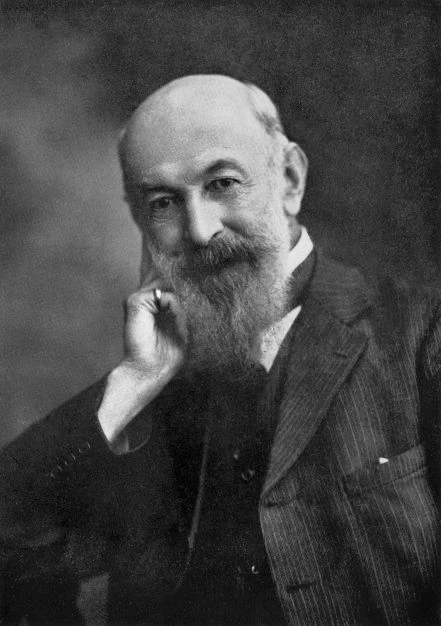
Plymouth civil engineer and geologist (1868-1950), secretary of the Dartmoor Exploration Committee and author of the Devonshire Association's stone rows series. The son of Richard Nicholls Worth.

Primate researcher and playwright whose Dartmoor fieldwork on attitudes to archaeological sites led to MED Theatre, the moor's first dedicated community theatre.
Teigngrace
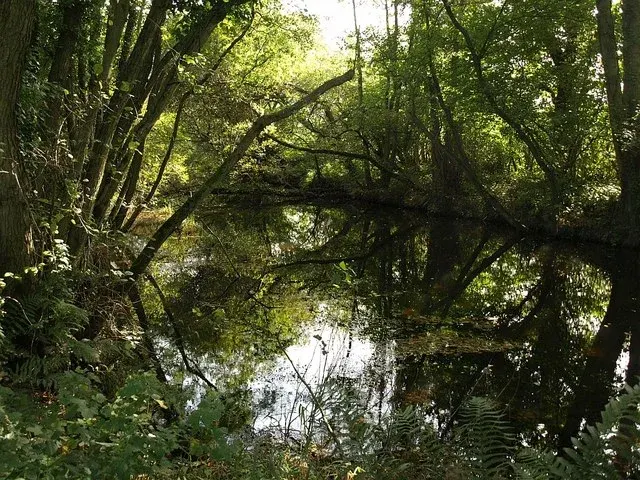
A canal built by James Templer, linking the Haytor Granite Tramway to the tidal River Teign at Teignmouth. Granite quarried at Haytor and Holwell travelled this route, including stone for the new London Bridge completed in 1831.
Princetown
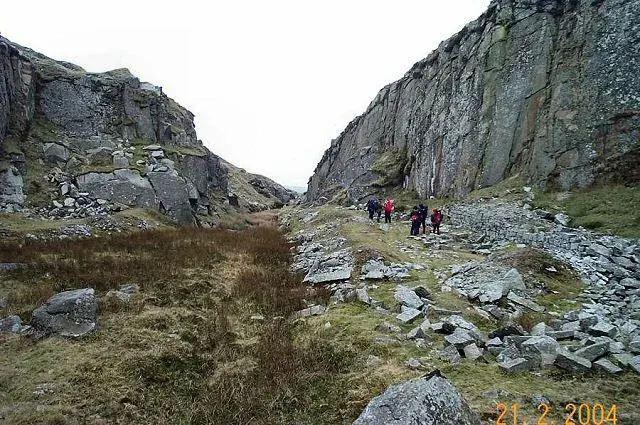
A group of Dartmoor granite workings near Princetown, worked from the 1820s until 1938. Twelve unused granite corbels, cut in 1903-04 for the widening of London Bridge, still lie beside the old railway trackbed here.
