Middle Natsworthy Farmhouse
A Grade II* listed farmhouse on the high moor, representative of the modest stone buildings that sustained Dartmoor's farming communities.
Grade II* listed farmhouse on the eastern edge of Dartmoor, a substantial stone building with deep roots in the moor's agricultural past.
A deserted medieval settlement of up to four longhouses and a later farmstead of two buildings on the lower north slopes of Black Down, south of Meldon quarry.
A stone hut circle with a 6.6 m inner area and a double upright-stone wall, on a south-west-facing slope above Broadall Lake.
A 165 m wrought iron trestle viaduct of 1874 over the West Okement, with piers up to 37 m high, reopened in 2002 as part of the Granite Way.
Which Dartmoor place has also been known as "the Plymouth Leat"?
Middleworth farmstead above the Narrator Brook, first recorded in 1281 and lived in until the 1920s: a farmhouse 8.6 m by 7.5 m with its walls up to 1.7 m high, a barn of five rooms and a privy.
A late 18th-century granite milestone, 1.2 m high, cut From Tavistock 7 miles, Okehampton 8 and Truro 57, beside a road that once marked an important route.
A Grade II* listed farmhouse on Dartmoor, likely medieval in origin with later additions, set in the moorland landscape.
A Grade I listed hall on the high moor, likely medieval in origin, standing isolated in the Dartmoor landscape.
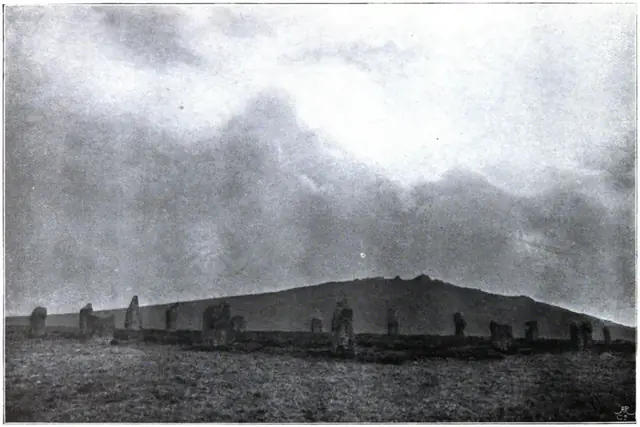
Plate from Dartmoor Illustrated, page 194, 1900“Little doth that old man know my name is Vickeytoad.”
Also on Our DartmoorHigher Uppacott Uppacott — A Grade I listed farmhouse on the high moor, likely medieval in origin, with the layered building history typical of working Dartmoor farms.