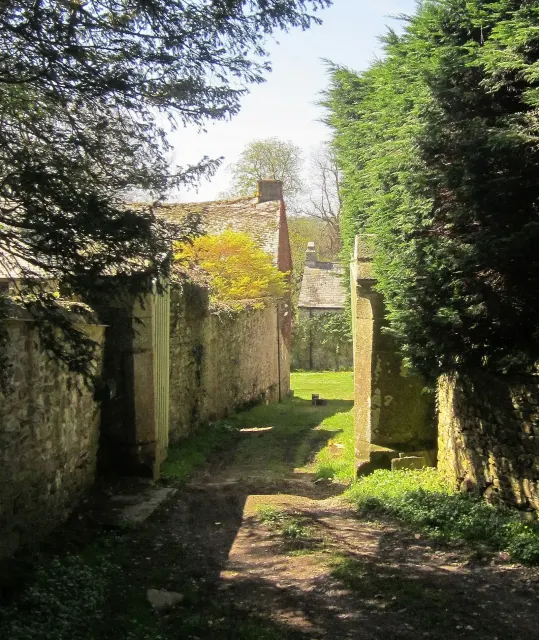
Rowden Farmhouse
A Grade II* listed farmhouse on Dartmoor, likely dating from the medieval period or earlier, with later modifications reflecting centuries of moorland farming life.
Grade II* listed public house, likely Georgian or Victorian, built to serve travellers and communities on or near Dartmoor.
A rabbit warren of at least 50 pillow mounds south of the abandoned Devonport Leat on Beardown Hill, first recorded in a Duchy of Cornwall lease of 1808, perhaps supplying Dartmoor Prison.
Riddipit hull, a potato cave: a tunnel 9.7 m long cut into a river bank with a granite doorway 0.73 m wide and an inward-opening door, part of Riddipit farmstead.
Ringleshutes tinwork on Holne Ridge: a streamwork, prospecting pits, openworks, lode-back pits, shafts, adits, an engine house, a tramway, a dressing floor and a 26.5 m five-roomed building.
A Grade II* listed manor house with attached barn and front wall, standing in the Dartmoor landscape.
A Grade I listed building on Dartmoor, Sanders is a surviving example of moorland domestic architecture from the medieval or early post-medieval period.
A Grade II* listed manor house, likely medieval in origin, standing on the moorland fringes of Dartmoor.
A Grade II* listed 17th-century granite stable and cart shed beside Walreddon Manor, with six rows of pigeon holes in one gable.
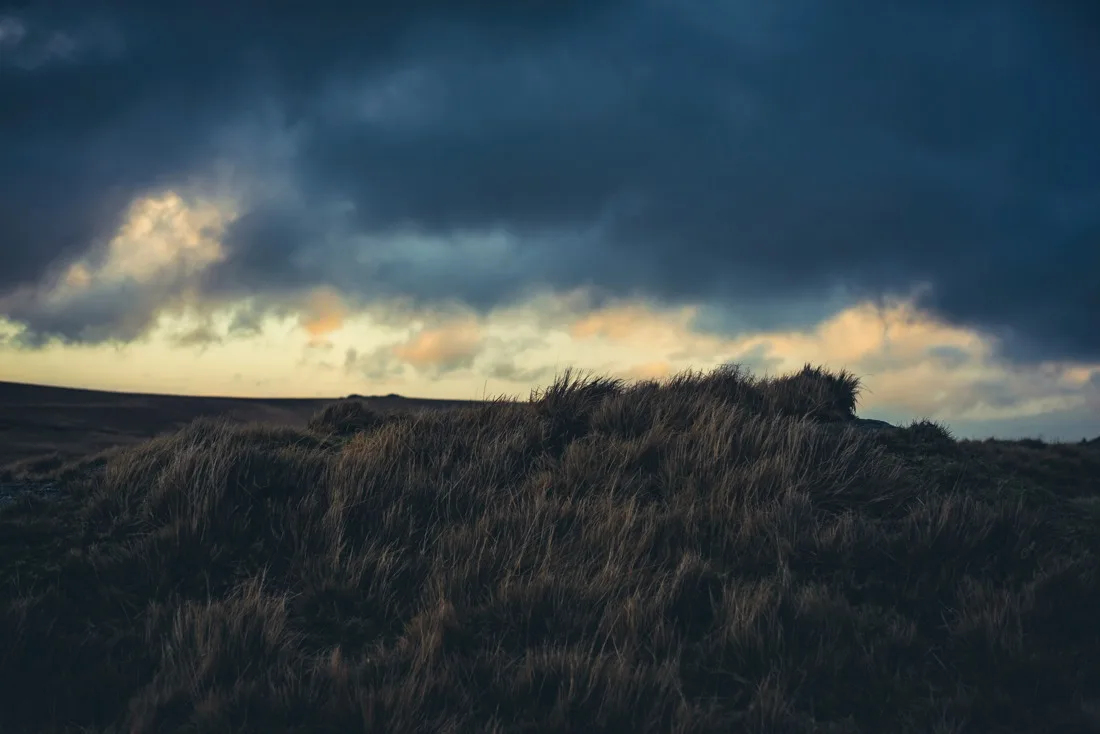
Photograph by Glavind Strachan Photography“the grand open moor stretching away for miles in sight of all working outside in the garden or on the moor seems to beckon and point plainly to freedom.”
Also on Our DartmoorThe Secret Book of Discoveries — Portal fantasy: Briana finds a strange book in her Devon attic that opens into other eras, from prehistoric Devon to a Roman legion. First of the Ancient Book of Dumnonia series.