
Industrial Archaeology
Blowing Mill at Outer Down
Remains of a tin mill powered by water on the open moor, a relic of Dartmoor's mining heritage.


Showing listings tagged “Mills” Show all listings
Remains of a tin mill powered by water on the open moor, a relic of Dartmoor's mining heritage.
Old books sometimes spell "Leather Tor" differently. Which of these is one of those spellings?

Scheduled monument combining tin extraction workings, processing mill and post-medieval farm buildings on Dartmoor's moorland edge.

A Grade II listed watermill on the River Lew, first mentioned in 1268, rebuilt in 1565 and mostly 17th century, with an overshot wheel that still drives a circular saw.

At least 54 hut circles in four clusters either side of the Taw Marsh reave on Cosdon Hill, six clearance cairns, a tin streamwork and one of the smallest tin mills on Dartmoor.

Remains of a tin-streaming mill and blowing house on the edge of Dartmoor.

A hut circle settlement above Cherry Brook with an enclosure and 14 huts, two cairns with cists on its east edge, and a post-medieval house and linhay cutting through the enclosure.
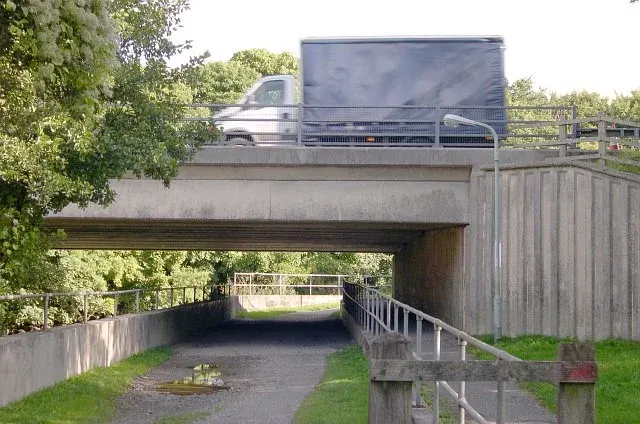
Ivybridge
The town council for Ivybridge, the largest town in South Hams and the southern gateway to Dartmoor.
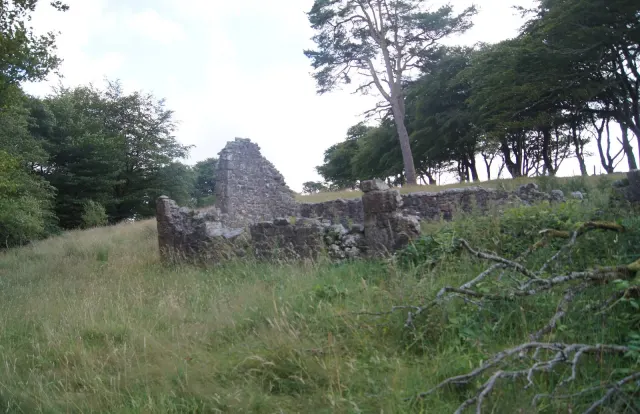
Crumbling stone ruins of 19th-century gunpowder mills hidden in a steep wooded valley on Dartmoor's industrial edge.
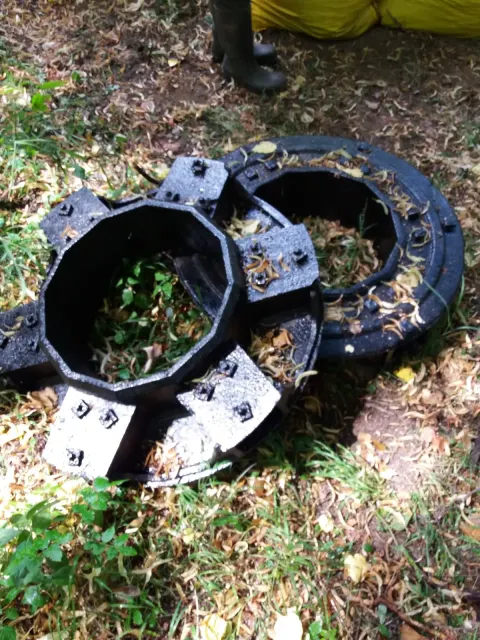
Cranbrook, Moretonhampstead
Eighteenth-century mill ruins nestled in the wooded valleys of eastern Dartmoor, a testament to the moor's industrial past.
 Photograph by Glavind Strachan Photography
“Away to the eastward we could see the dreary brown ridges in the neighbourhood of Cranmere Pool, over which a deep stillness was brooding, and a lifeless aspect seemed to rest.”
Also on Our DartmoorThe Coffin Stone — A stone at Dartmeet said to mark a coffin's resting place, or to warn of death.
