Adrian Partridge
Mountain Leader-qualified Dartmoor guide with over 45 years of walking the moor, specialising in longer walks with an archaeological focus.
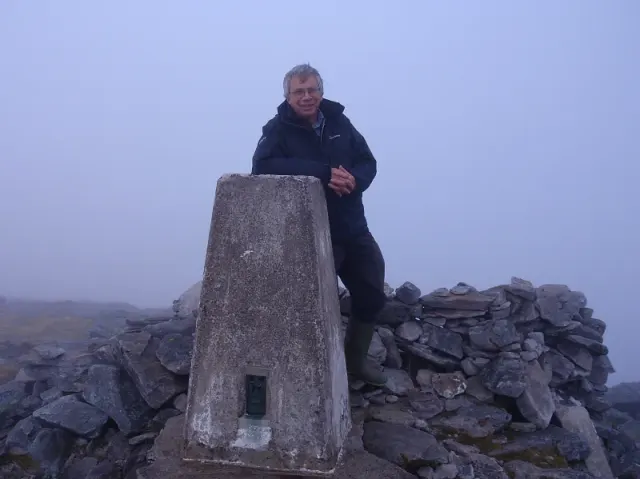
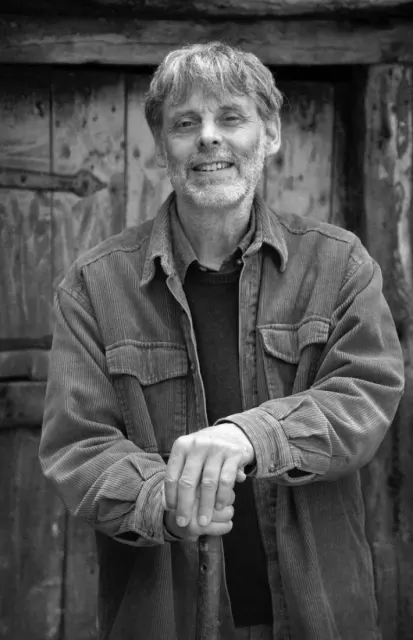
Retired solicitor and moth researcher whose decades of work on the life histories of small moths led to a species, Ectoedemia heckfordi, being named after him.
“There was nobody to see him; all the brown moor was void with loneliness and lassitude; not a shadow, except his own, moved faster than the sun directed it.”
Who wrote this?
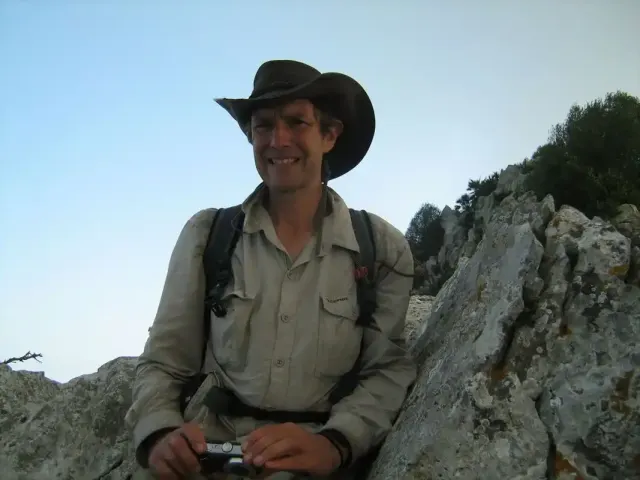
Primate researcher and playwright whose Dartmoor fieldwork on attitudes to archaeological sites led to MED Theatre, the moor's first dedicated community theatre.
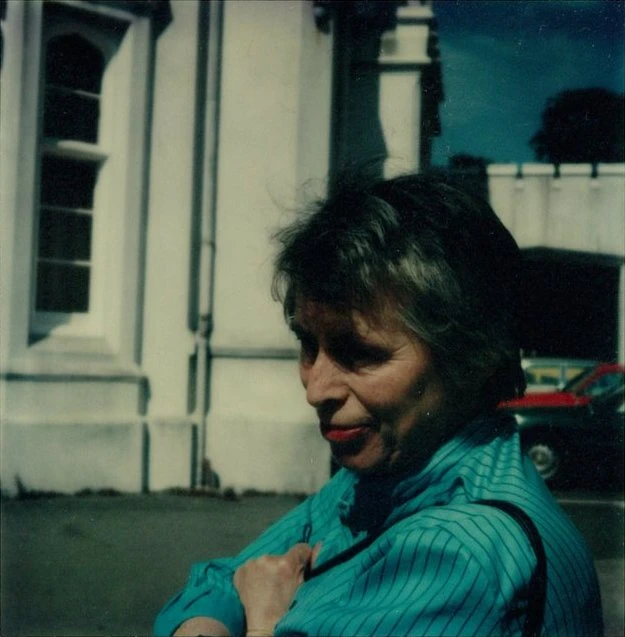
Devonshire Association folklore recorder whose decades of Dartmoor fieldwork produced woodcuts, maps and a museum object alongside her written record of the moor's traditions.
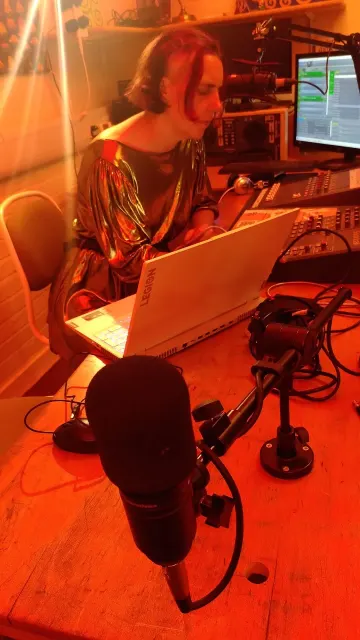
Radio artist and researcher who founded Skylark, a continuous FM sound installation broadcasting Dartmoor's landscape, voices and wildlife since 2020.
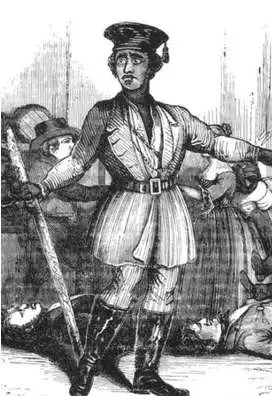
The Black prisoner-leader, usually identified with "King Dick," whose self-governing block at Dartmoor Prison ran its own theatre, boxing school and gambling operation in 1814-1815.
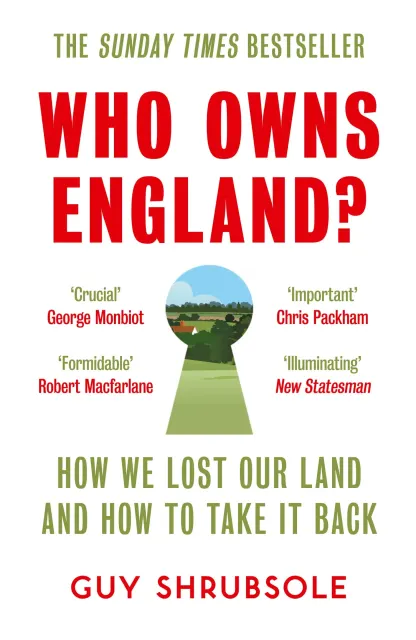
Environmental writer and campaigner behind the Who Owns England? project, mapping land ownership across the country including a detailed study of who owns Dartmoor.
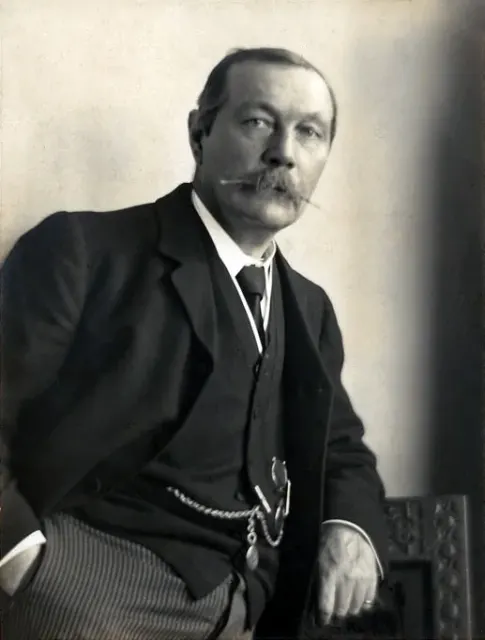
Arthur Conan Doyle (1859-1930) was a Scottish-born doctor and writer, best known as the creator of Sherlock Holmes. In 1901 he spent a fortnight walking Dartmoor with journalist Bertram Fletcher Robinson, researching what became The Hound of the Baskervilles, the only Holmes story set on a real, named moor.
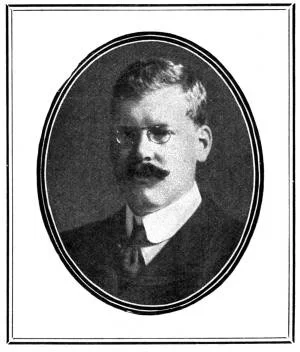
Bertram Fletcher Robinson (1870-1907) was a Devon-born journalist and editor who grew up on the edge of Dartmoor. In 1901 he told fellow writer Arthur Conan Doyle the moorland legends that became The Hound of the Baskervilles, and guided him around the moor while Doyle researched the book, which Doyle dedicated to him.