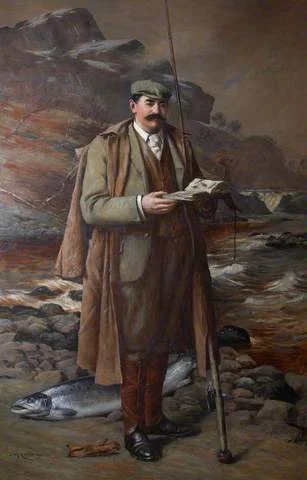
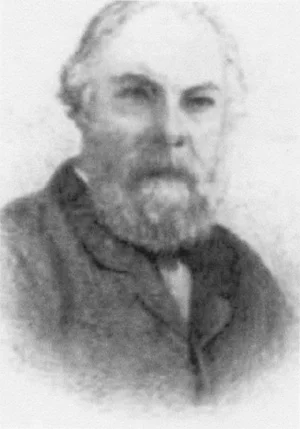
Julius Drewe
Drewsteignton
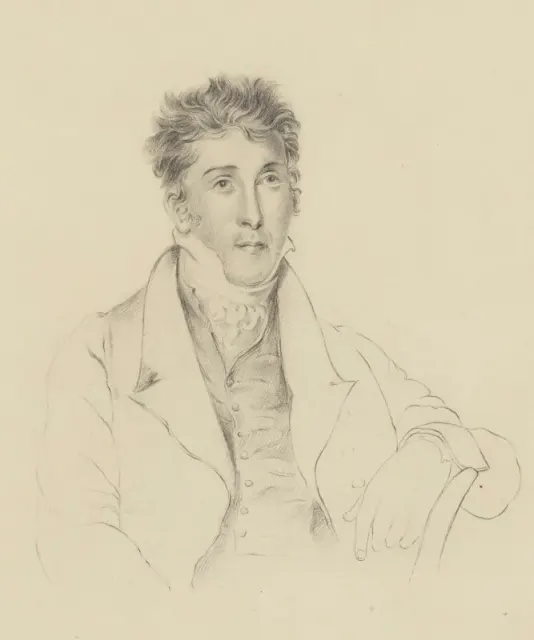
Founder of the Home and Colonial Stores (1856-1931), who retired at 33 and built Castle Drogo above the Teign Gorge, the last castle built in England.
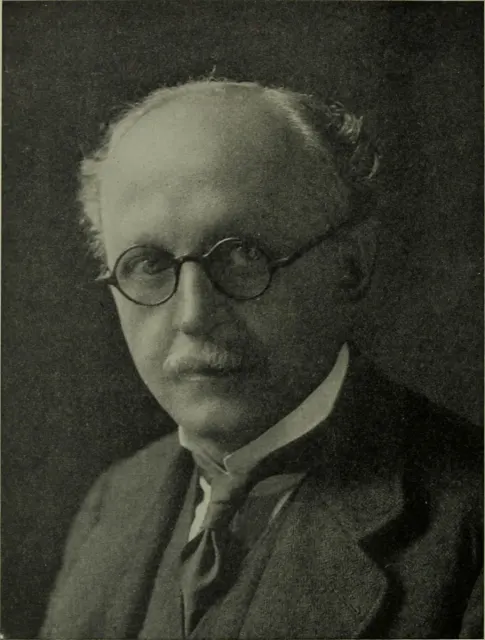
Drewsteignton
Founder of the Home and Colonial Stores (1856-1931), who retired at 33 and built Castle Drogo above the Teign Gorge, the last castle built in England.
Drewsteignton
British architect (1869-1944) who designed Castle Drogo for Julius Drewe, built 1911-1930 at about a third of his original plan.
Which Dartmoor place has also been known as "the Sepulchre"?
Shaugh Prior
Leeds-born landscape painter (1830-1888) whose 1854 picture The Moorland shows the Dewerstone above the River Plym. It is now in the Tate, and Ruskin praised a picture of that title at the 1855 Royal Academy.
Plymouth
Plymouth schoolmaster and poet (1777-1830), author of Dartmoor: A Descriptive Poem (1826). The Dewerstone was a favourite spot of his, and his name is cut into the rock there.
Exeter
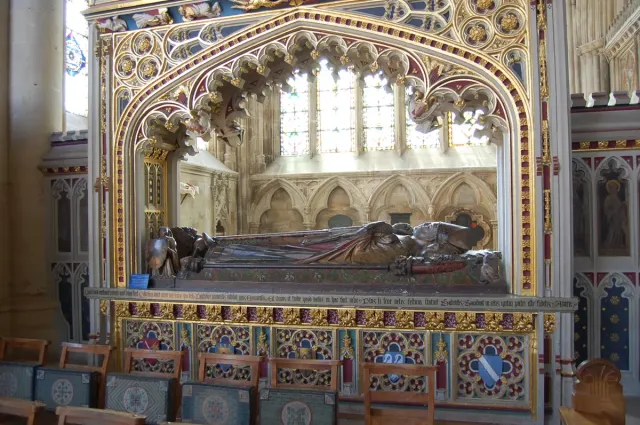
Bishop of Exeter from 1258 to 1280 and the name behind the Branscombe's Loaf legend on Corn Ridge. Whether the bishop was tied to the legend long ago or only recently is not known.
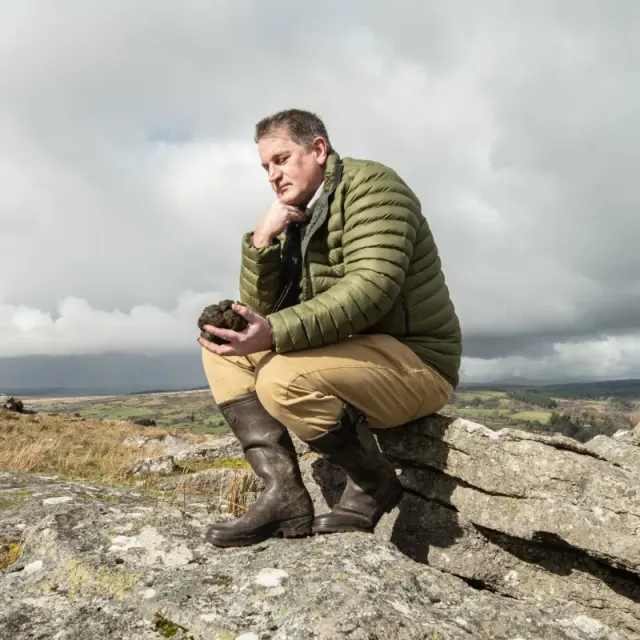
Devon-based entomologist specialising in Coleoptera (beetles), whose specimen records and published papers cover several Dartmoor sites, and who directed the 2024 Dartmoor Dung Beetle Survey for the Our Upland Commons project.
Tavistock
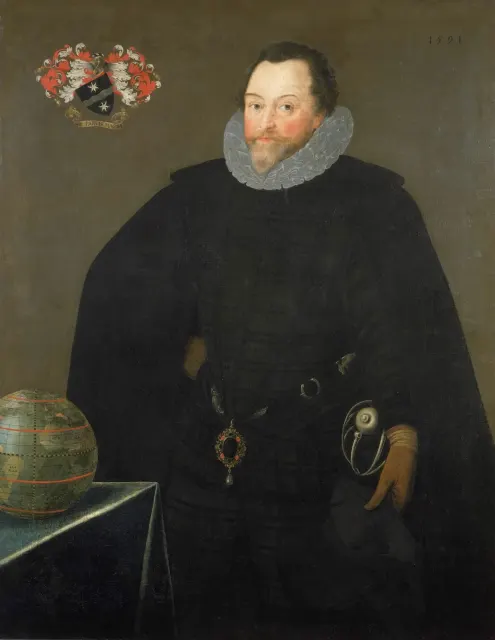
Elizabethan naval commander and the first Englishman to circumnavigate the globe (1577-1580), born around 1540 at Crowndale Farm near Tavistock and later the owner of Buckland Abbey, on Dartmoor's southern edge.
Lydford
A band of outlaws said to have lived wild around Lydford Gorge in the 17th century, led by the semi-legendary Roger Rowle, part real rumour of the English Civil War era and part Robin Hood story.
Widecombe-in-the-Moor
Chairman of the Dartmoor Preservation Association from 1951 to 1973, and its most formidable conservation campaigner, fighting off a TV mast, military exercises, reservoirs and china clay expansion across the moor.