Tors & Landmarks
Conies Down Tor
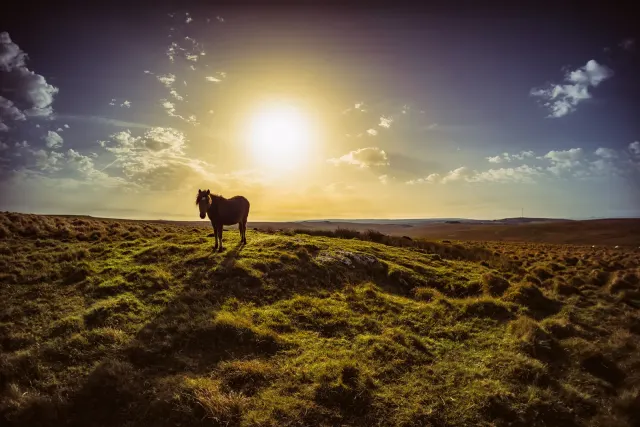
A small tor on Conies Down near the head of the Cowsic, with long views down the river towards Two Bridges.


The granite tors of Dartmoor, including the ones whose names end in Rocks, Rock or Stone.
A tor is a large free-standing outcrop of rock that rises abruptly from gentler slopes on a hill or ridge. The word comes from Old Welsh and means a cluster or heap. On Dartmoor the tors are granite, emplaced about 280 million years ago. They survive where widely spaced joints in the granite let blocks of rock outlast the weathering that turned the rest into sandy gravel (growan).
Dating of 28 Dartmoor tors found that most have been exposed for less than 100,000 years, and none for more than 200,000. They probably emerged at the start of the last major ice age.
The highest point on Dartmoor is High Willhays, at 621 metres, near Okehampton. Yes Tor stands about a kilometre to the north along the same ridge and is slightly lower.
Which outcrops count as tors is a decision for people far better qualified than this directory. We follow the Tors of Dartmoor database, the Treks and Tors list and Tor Bagger: if one of them lists it as a tor, it is listed here as one. Hills and mounds that none of them list are on the Hills and Mounds page.
This page lists the tors and other named landmarks in the directory. Use the map to see where they are, and open a listing for its grid reference and further sources.
Sources: Wikipedia, Tor (rock) and High Willhays.
A small tor on Conies Down near the head of the Cowsic, with long views down the river towards Two Bridges.

A tor on the hill above Ponsworthy, near Yar Tor, with Bronze Age cairns on the slopes and a kistvaen known as Money Pit to the south-west.
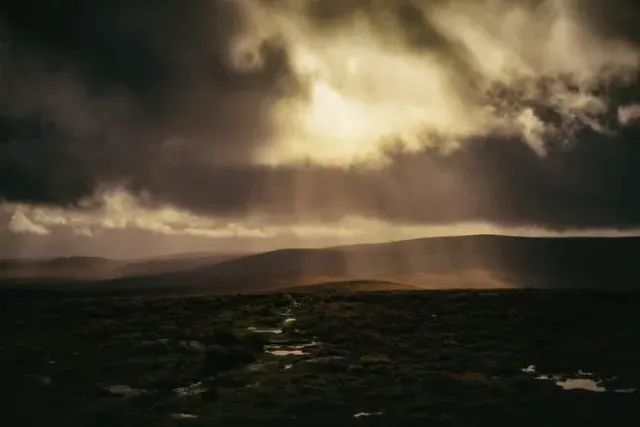
A large dome-shaped hill on the north-eastern side of Dartmoor, the first bound named in the 1240 Perambulation of the Forest.
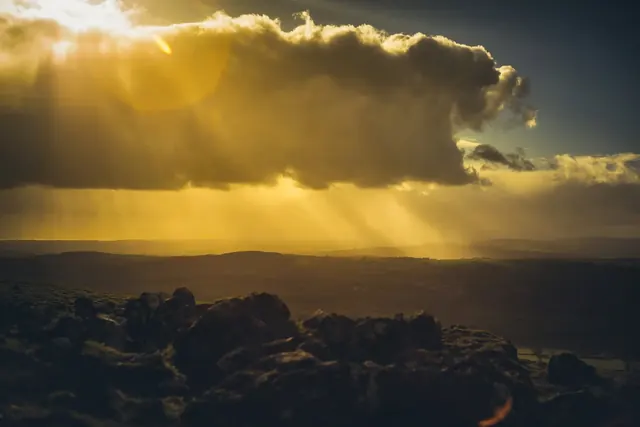
Tor at 442 m on Dartmoor's western edge, made of dolerite and altered slate, not granite, with a cairn cemetery on the summit and hut circles below.
What is the height of Beardown Man above ground?

A tor on Walkhampton Common near Princetown, on the edge of a boggy hill with a trig point, with the Devonport Leat curving round its south side.

A boggy, broken hill near Plym Head in the south quarter of the Forest, with a grassy top, wide views and the old Ducks' Pool nearby.

A granite tor on Cripdon Down, with a distinctive shape and open moorland views.

A tor on the east side of the West Dart valley above Wistman's Wood, with an unfinished newtake wall, old tin streaming beside it, and a mention in a tithe dispute.

A large rock on the northern side of the Deancombe valley, a couple of hundred metres from Combshead Tor, with two stories about its name.
 Photograph by Glavind Strachan Photography
“I once heard a woman tell one of her daughters, in a Dartmoor cottage, " to log the child's cradle." There, thought I, is a British word ; log means to rock, hence logging, or logan stone.”
Also on Our DartmoorLeighon Tor — A tor on the slope above Hound Tor Combe, easily confused with Hole Rock and Greator Rocks, and only recently marked on Ordnance Survey maps.
