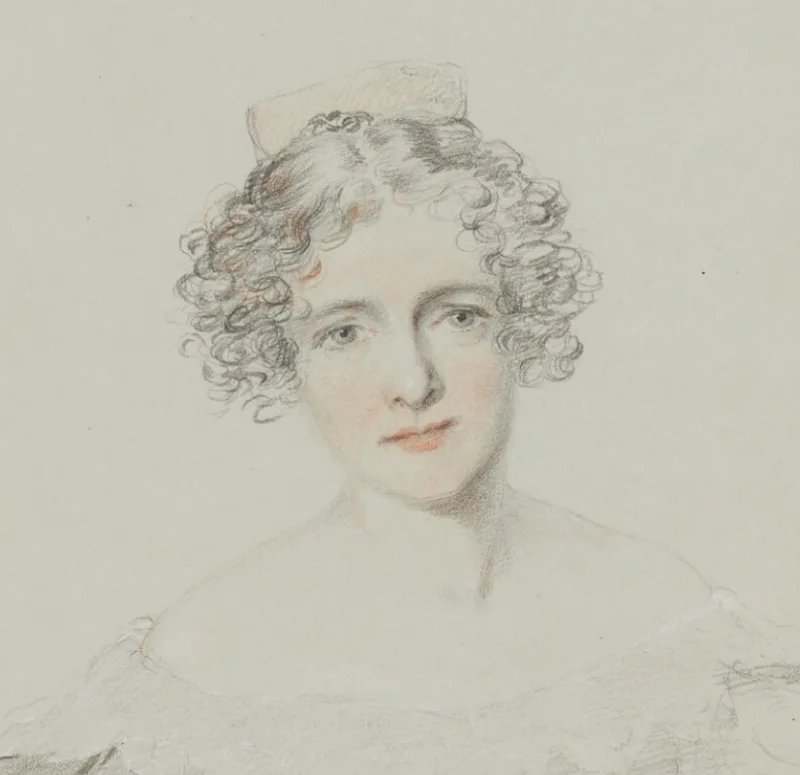
Anna Eliza Bray (born Kempe, 1790-1883) was an English author who, through her second marriage to the Reverend Edward Atkyns Bray, lived in Tavistock on Dartmoor's western edge. There she wrote her best-known work, a series of letters to the poet Robert Southey describing the natural history, folklore, customs and antiquities of the country bordering the rivers Tamar and Tavy - Dartmoor country - first published in 1836. She later revisited and revised the material across several further editions under changing titles, and returned to Dartmoor folklore again in 1854 with a children's book of pixie legends.
Bray was a prolific writer across many genres, including historical novels, French history and continental travel writing, most of it unrelated to Devon; only her Dartmoor-focused work is covered here. She died in London in 1883, aged 92.
Bray's letters were addressed to a real correspondent, Poet Laureate Robert Southey, who read and reviewed the finished book himself. Away from her own writing, Bray also discovered, encouraged and arranged publication for the poetry of her lady's maid, Mary Colling, an unusually direct case of a Regency author acting as patron to a working poet in her own household.
Hound tor - misty. Photograph by Glavind Strachan Photography
“It is the furze which is the glory of the moor, with its dazzling gold and its honey breath, fighting for existence against the farmer who fires it every year, and envelops Dartmoor in a cloud of smoke from March to June.”
Also on Our DartmoorUnenclosed hut settlement near the Erme Valley — Bronze Age stone hut settlement on Harford Moor, with remains of multiple roundhouses scattered across unenclosed moorland.
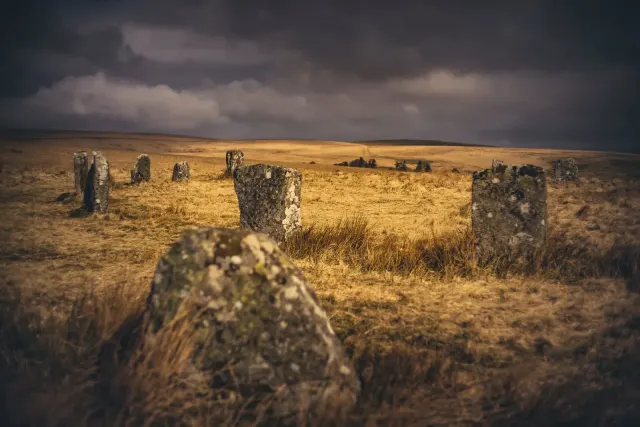
Dartmoor quizPhotograph by Glavind Strachan Photography
Which Dartmoor place is this?
Know a Dartmoor person we should feature? Suggest a listing, it is free.
Our Dartmoor doesn't track you and runs no adverts. We use one cookie to make the
site work, and some pages load videos, maps or optional social media panels from other sites, the panels only if you choose to show them.


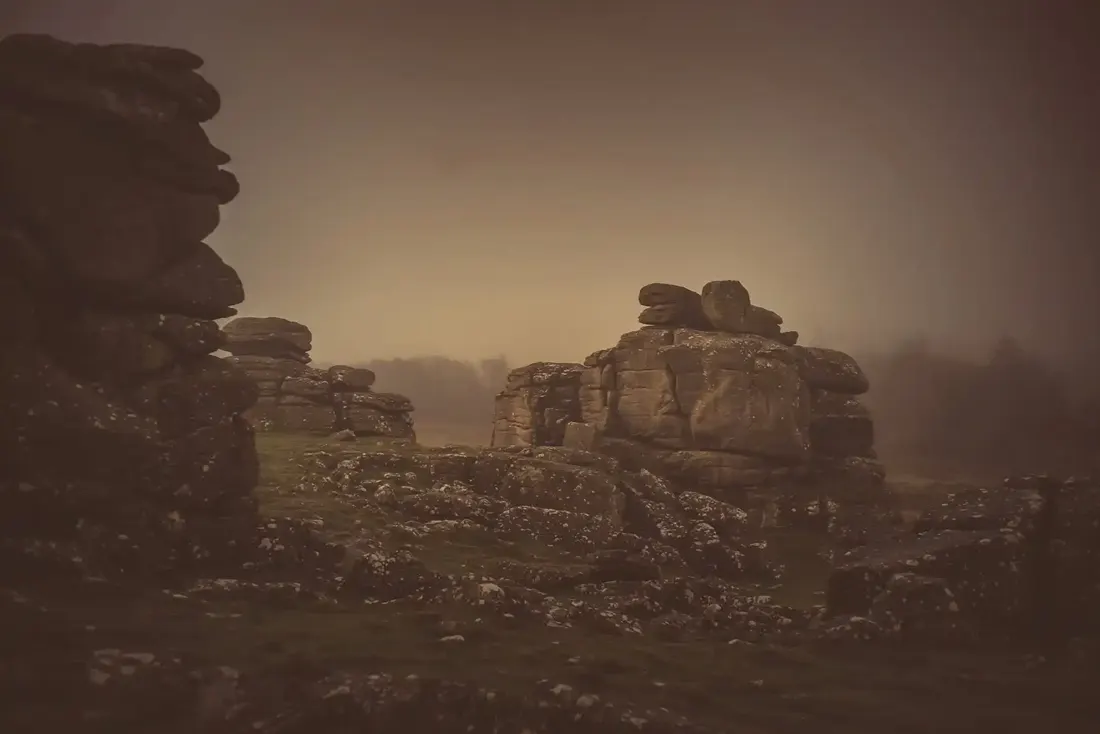 Hound tor - misty. Photograph by Glavind Strachan Photography
