Cairns & Barrows
A cairn cemetery on Long Ridge
A Bronze Age cemetery of burial cairns scattered across the high ridge.

Showing listings tagged “Bronze Age” Show all listings
A Bronze Age cemetery of burial cairns scattered across the high ridge.
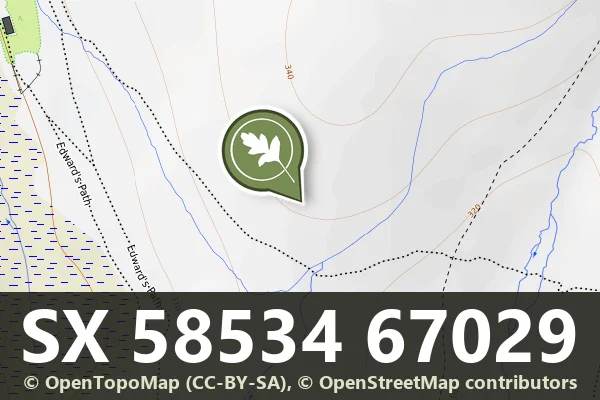
Six hectares of at least seven enclosures, forty hut circles and a medieval farmstead of four longhouses on a south-west slope above the Sheepstor Brook, cut by the Sheepstor leat.
“In the distance, down at the end of the combe, a pale blue mist overhung a morass, in which a little stream lost itself.”
Who wrote this?

A triple stone row about 250 m long with about 124 small stones, between Yar Tor and Corndon Tor, ending at Money Pit Cairn.
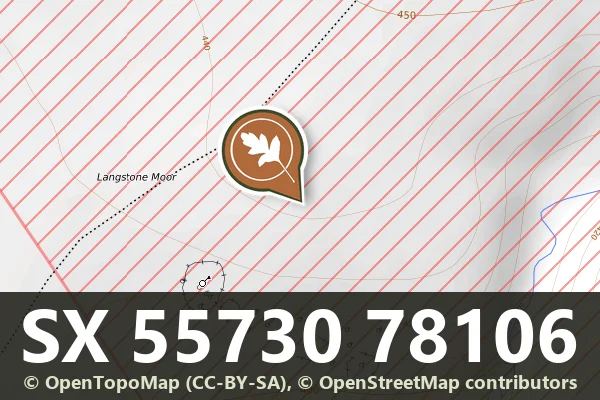
Two round cairns 5.3 m and 6 m across, 120 m south-east of the Langstone Moor stone circle, dug by the Dartmoor Barrow Committee in the 1890s.
A small cairn 4 m across and 0.2 m high at the edge of the Homerton Hill cairnfield, with some damage on its north-west side.

Skaigh Warren on the north slope of Cosdon Hill: at least 21 pillow mounds, a warreners' shelter, ridge and furrow, two hut circle settlements and two cairnfields, one of 28 mounds.

Bronze Age cairn cemetery and associated earthwork bank in the upland landscape south west of Blackaton Brook Ford.
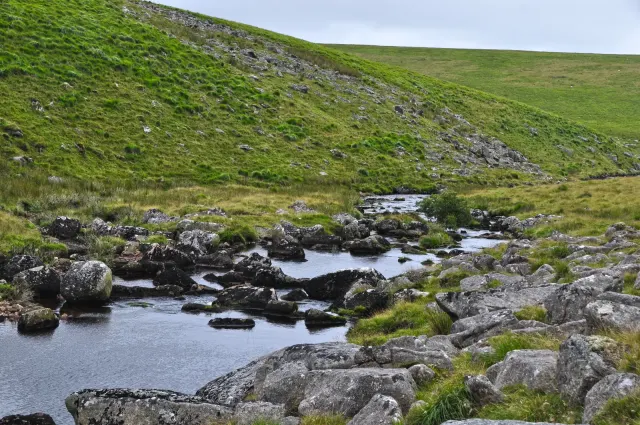
A hut circle 2.3 m across inside, which the excavators took for a cook-house, and a tinners' building 5.8 m by 3.2 m built on top of an earlier hut, at Watern Oke.
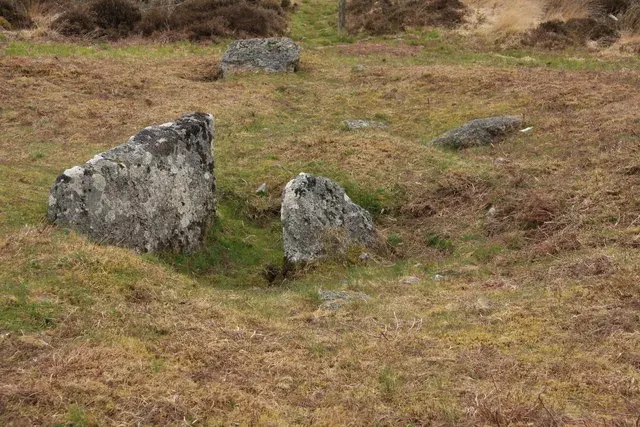
Two cairns with cists and a hut circle on the east slope of Lakehead Hill: an 18 m kerbed cairn with a robbed cist, a 4.5 m cairn with a three-sided cist, and a hut dug in 1896.
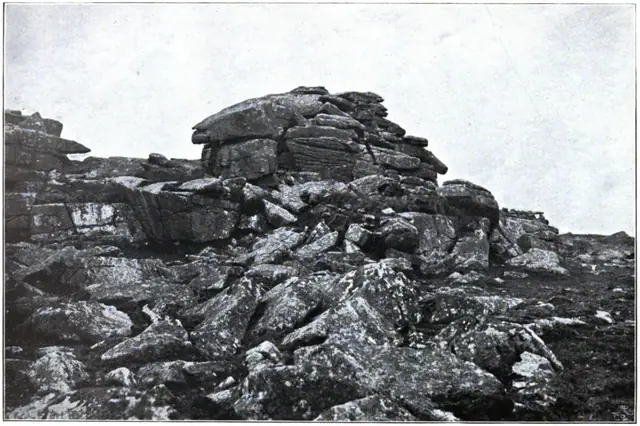 Plate from Dartmoor Illustrated, page 190, 1900
“I'd clear the peat out o' Cranmere Pool sooner!”
Also on Our DartmoorTinners Hut — A weathered stone shelter hidden in Dartmoor's high moorland, built by tin miners centuries ago.