Pillow mounds around Great Trowlesworthy Tor
Nine pillow mounds in seven scheduled monuments on Trowlesworthy Warren, built for farming rabbits on the slopes of Great and Little Trowlesworthy Tors.
Showing listings tagged “Scheduled Monument” Show all listings
Nine pillow mounds in seven scheduled monuments on Trowlesworthy Warren, built for farming rabbits on the slopes of Great and Little Trowlesworthy Tors.

Plymouth
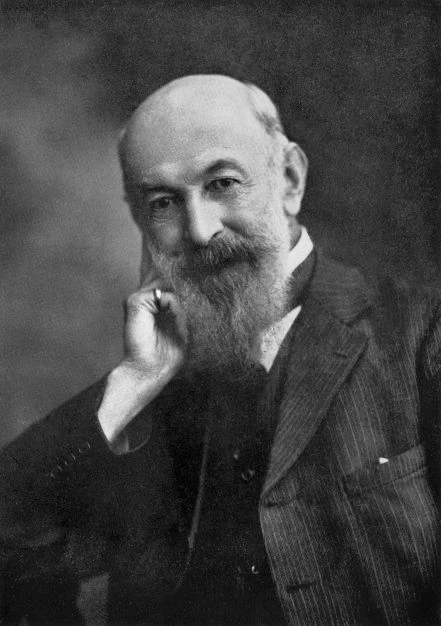
Plymouth civil engineer and geologist (1868-1950), secretary of the Dartmoor Exploration Committee and author of the Devonshire Association's stone rows series. The son of Richard Nicholls Worth.
The highest point on Dartmoor and in southern England at 621 metres, with five scheduled cairns on the summit ridge and neighbouring Yes Tor.
Three boundary stones marking the limits of a medieval warren on the open moor south of Headland Warren Farm.
The Upper Merrivale tin works on the Walkham: a blowing mill 11.1 m long and two stamping mills, excavated from 1991 to 1996 by the Dartmoor Tinworking Research Group, with dressing floors and an unfinished mould stone.
Scheduled monument remains of a medieval Benedictine abbey in Tavistock town, founded in the 10th century.
A prehistoric circular earthwork on the moorland northeast of Kelly College, likely an Iron Age or Bronze Age settlement.
A Bronze Age stone alignment on Conies Down, one of several such ritual or territorial markers scattered across Dartmoor.
Riddipit hull, a potato cave: a tunnel 9.7 m long cut into a river bank with a granite doorway 0.73 m wide and an inward-opening door, part of Riddipit farmstead.
Plate from A Hundred Years on Dartmoor, page 25, 1901“New toat, new waist-toat, new breeches; you proud, I proud; I shan't work any more!”
Also on Our DartmoorCairn south of the Cross Dyke, Lee Moor — A stony cairn 8 m across and 0.5 m high with a hollow on its east side, south of the Cross Dyke reave on the south-west slope of Lee Moor.