Dartmoor Letterboxing
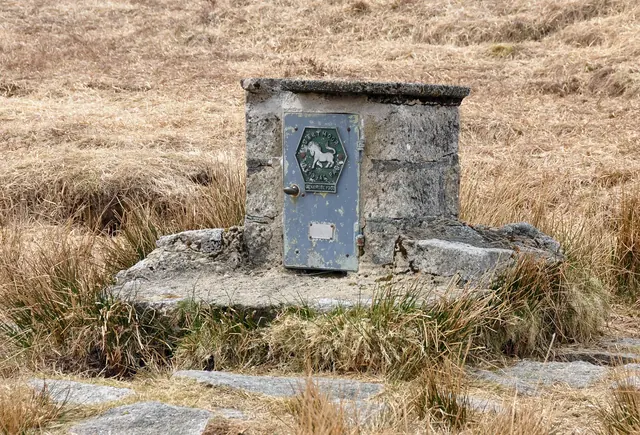
Letterboxing began on Dartmoor: walkers hide a weatherproof box with a visitors' book and a rubber stamp, and others find it by clues and stamp their own book.
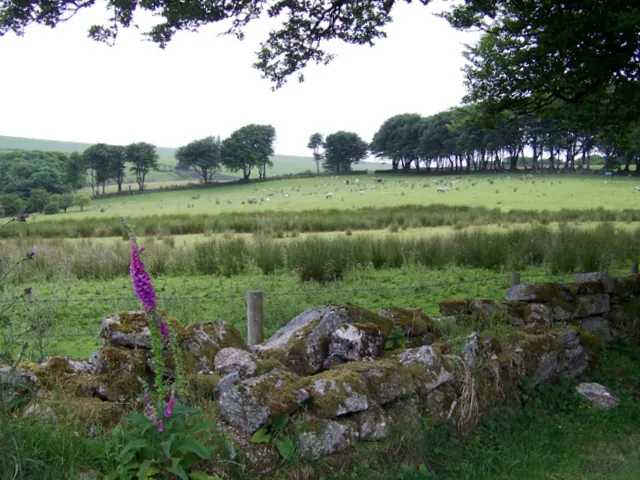

Venville was the right of farmers in the parishes around the old Forest of Dartmoor to graze the central moor by day, in return for a small payment to the Duchy of Cornwall.
Devon's tinners met in the open air at Crockern Tor, in a stannary parliament of 96 jurats, until the last convocation in 1786.
Lydford
'Lydford Law' was a saying for quick, rough justice, tied to the stannary court and prison in Lydford Castle.
Holne
Holne's ram feast was a May Day custom in which a ram was caught on the moor, tied to a granite pillar, roasted whole and shared out; it became the Holne Revel and is now a village fete.
A Dartmoor fact about Wigford Down cross
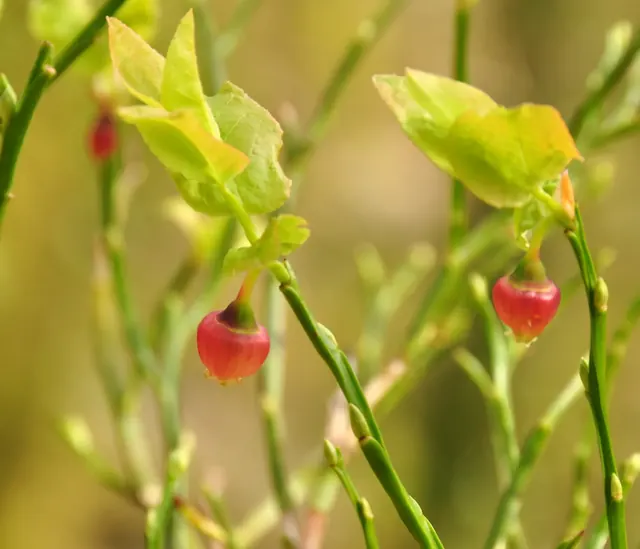
On Dartmoor the whortleberry is a 'hurt'. For centuries families went to the moor each summer to pick them for pies and for sale at market.
Lustleigh
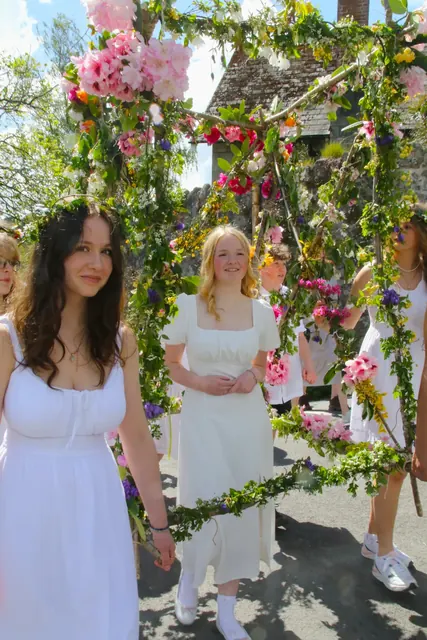
Every May the children of Lustleigh elect a May Queen, who is crowned on a granite throne in the Town Orchard, with maypole dancing and morris dancing. Cecil Torr revived it in 1905.
Widecombe-in-the-Moor
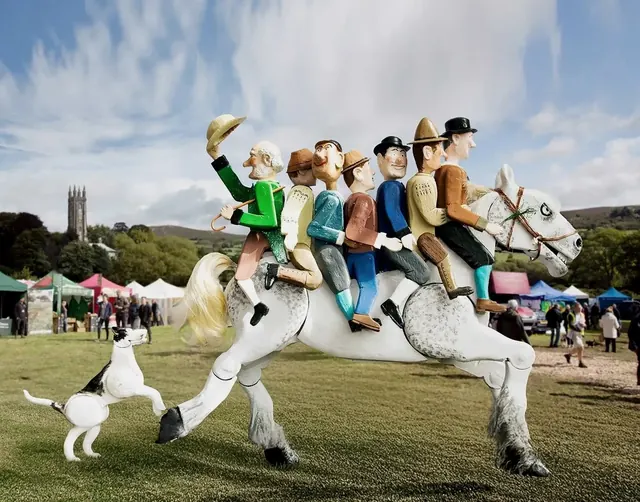
Widecombe Fair is run entirely by volunteers to raise money for local good causes, in a sheltered valley on the east side of Dartmoor, on the second Tuesday of September. It shares its name with the folk song that features Uncle Tom Cobley.
Tavistock
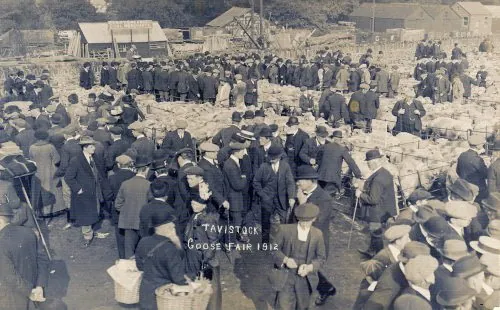
Tavistock's Goose Fair, held in the town centre on the second Wednesday of October. It began as a Michaelmas fair in the early 12th century and is run by Tavistock Town Council.