← Browse Customs & Traditions · Browse the directory
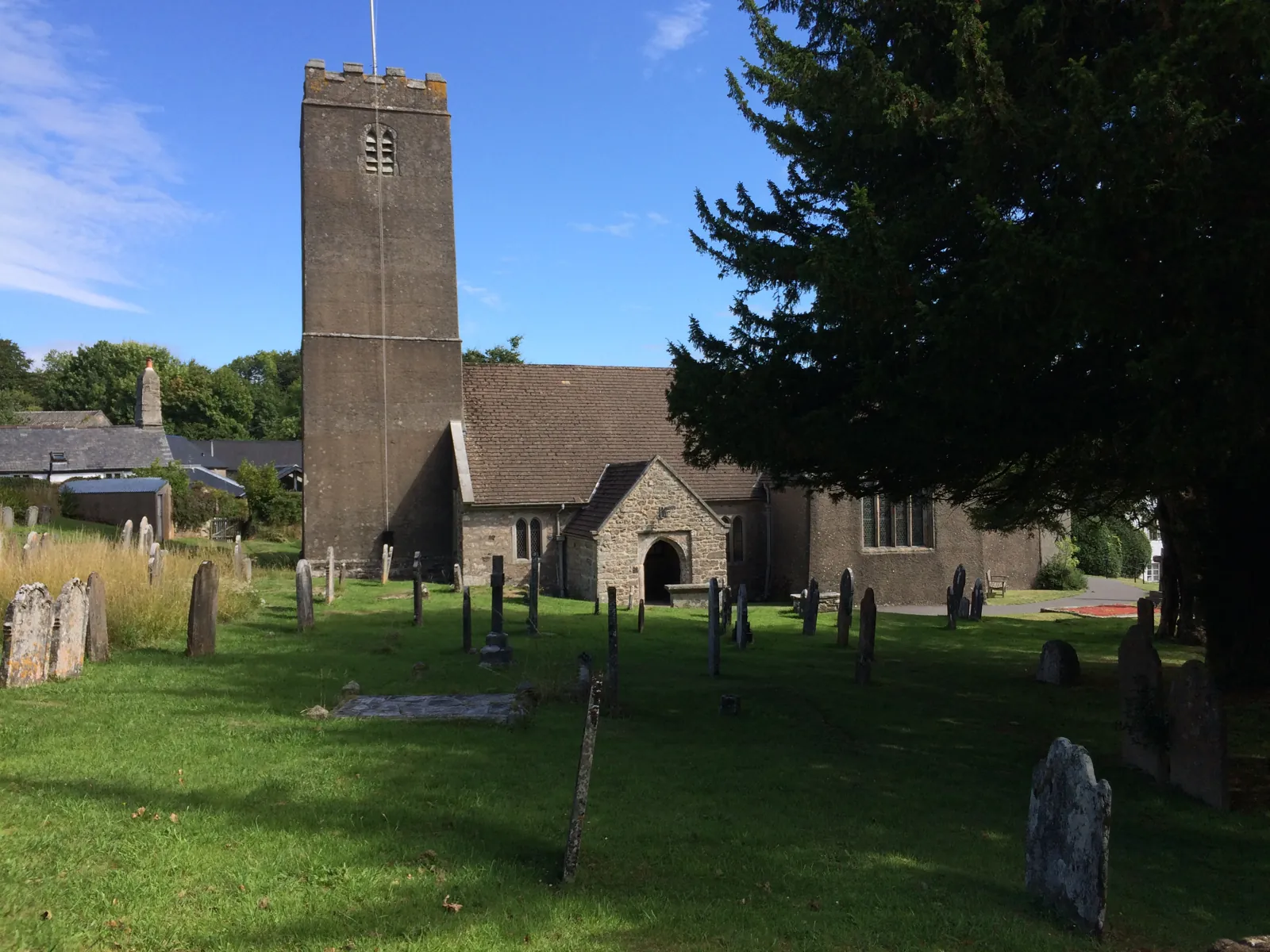
Main image: St Mary the Virgin Church, Holne. Photo: Hugh David Loxdale (CC BY-SA 4.0) via Wikimedia Commons
The Holne ram feast, or ram roast, was held in the Play Field, a parish-owned field of about two acres. A granite pillar six or seven feet high stood in its centre. According to an 1853 account by the Holne curate, the young men of the village gathered there before sunrise on May Day, went onto the moor and caught a ram lamb, brought it back and tied it to the pillar. It was killed and spit-roasted whole until midday, when people scrambled for slices of the meat, thought to bring luck for the year. The afternoon was spent dancing, wrestling, playing games and drinking cider.
The original custom apparently lapsed. In the later 19th century a lamb decorated with flowers, especially roses, was led to the field, killed, dressed and roasted, and slices were sold. This version was held on 6 July, although accounts are confused about the date. In time the ram was bought beforehand instead of being hunted on the moor, and the event became known as the Holne Revel. Today it is a village fete in the Play Field with no ram.
The origin is not recorded. The Legendary Dartmoor article links it to Beltane and pagan practice, but a commenter disputes that and suggests a link to offerings made to fairies to protect cattle.
Thoughts
Be the first to share a thought about The Holne Ram Feast and Revel.
Share a thoughtKnow another Dartmoor place, tor or landmark we should include? Suggest a listing, it is free.
Suggest a listing