Tors & Landmarks
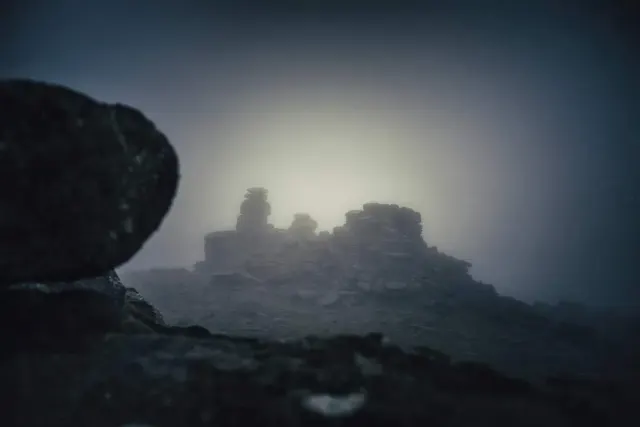
Great Staple Tor
A striking tor with distinctive granite stacks and a quirky avenue between two main piles.


Named tors, hills and other landmarks on Dartmoor. Browse the tors or the hills and mounds, or use the map below to see everything at once.
A striking tor with distinctive granite stacks and a quirky avenue between two main piles.

Granite tor, 357 m, on the south-western edge of Dartmoor, east of Cadover Bridge, with pink-red granite and Trowlesworthy Warren on its slopes.
Lustleigh
Great Wood Tor, a prominent peak near Lustleigh, stands out as a series of large moss-covered boulders that rise from the woodland.
What year is the original motte-and-bailey structure of Lydford Castle thought to have been built?

Two large granite piles overlooking Becka Brook valley, with a maze of climbing plants and a notable cave.

A flat-topped hill in the southern moor, marking the end of the longest stone row in the world.

A low-lying granite tor with flat rocks protruding from the slopes of Amicombe Hill, near the Rattle Brook.

A modest granite outcrop near the Rattlebrook railway, offering views across the moor and down the River Lyd valley.
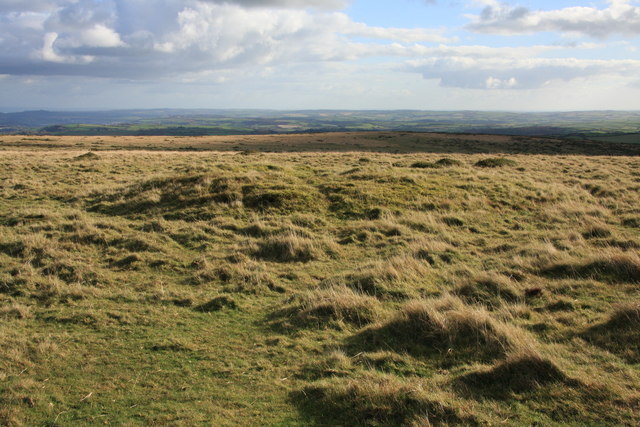
A flat, grassy high point with cairns marking the summit and views across the southern moor.
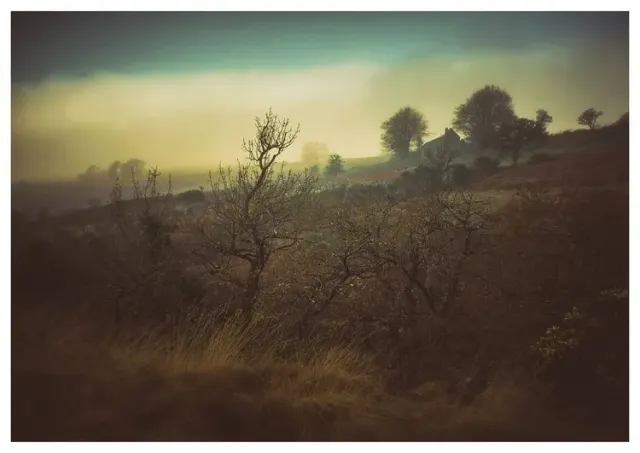
A distinctive hill with a prominent outcrop, located near the edge of the moor.
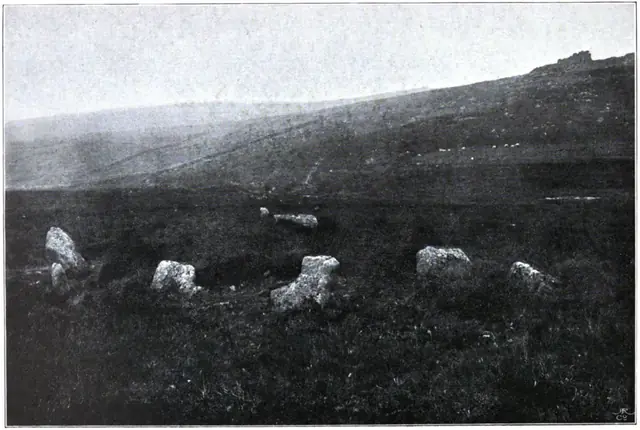 Plate from Dartmoor Illustrated, page 168, 1900
“It is a vast solitude. Save the convict settlement of Princetown and a few scattered cottages abutting on the roads which cross the central district, scarce a human habitation greets the eye... the traveller may walk from the outskirts of Princetown to Okehampton — a good fifteen miles — without ...”
Also on Our DartmoorRamsay Mine (dis) — Scattered granite ruins of a 19th-century tin mine, now reclaimed by heather and bilberry on open moorland.
