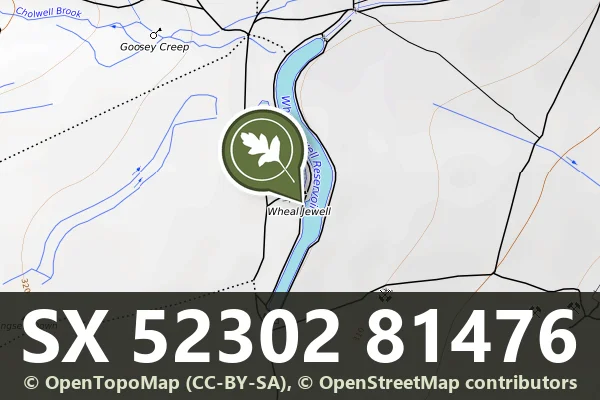
Wheal Jewell
Horndon, Tavistock
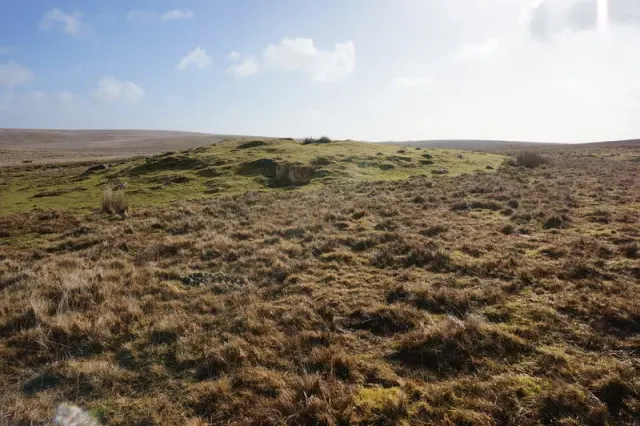
Crumbling stone ruins of a 19th-century tin mine nestled in Dartmoor's moorland, a haunting reminder of the region's industrial past.
Dartmoor's archaeology and heritage - antiquities, historic buildings and museums.
Horndon, Tavistock
Crumbling stone ruins of a 19th-century tin mine nestled in Dartmoor's moorland, a haunting reminder of the region's industrial past.
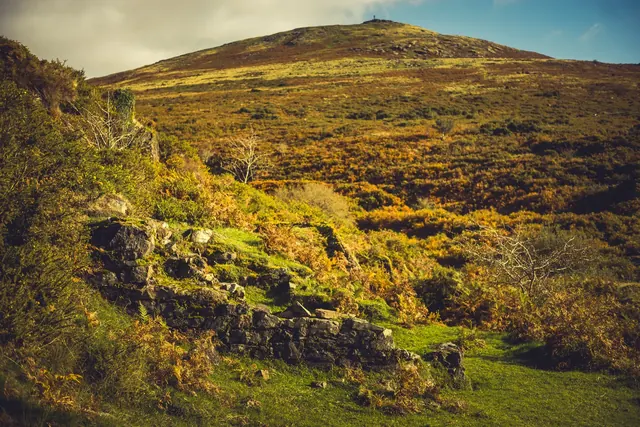
Remains of a tin mine shaft and workings on the western edge of Eylesbarrow.
Lydford, Okehampton
Wheal Mary Emma was a small tin mine beside the River Lyd below Brat Tor, worked from 1849 and named for its owner's ten-year-old daughter. Its capped shaft, dressing floor, smithy and office ruins survive on the slope above the river, close to the Captain Hunter Memorial.
A substantial stone wall that once enclosed a medieval deer park at Whiddon, now a Listed Building of high historical interest.
A warren of at least eight pillow mounds in Whiddon Park, a deer park made in the mid-16th century and used until the end of the 19th, with rectangular mounds 6.7 to 14 m long and a round one 6.38 m across.
A Grade II* listed farmhouse on the edge of Dartmoor, likely built in the medieval or early modern period.
A big Whitchurch Common landscape: two eluvial tin streamworks (one 1.2 km long and up to 4 m deep), a coaxial field system, cairns, ring cairns, two hut circle settlements, two medieval farmsteads and Second World War gun and mortar pits.
A turf-covered round cairn 19.7 m across and up to 1.4 m high beside the Lichway, on the ridge between Cocks Hill and Lynch Tor.
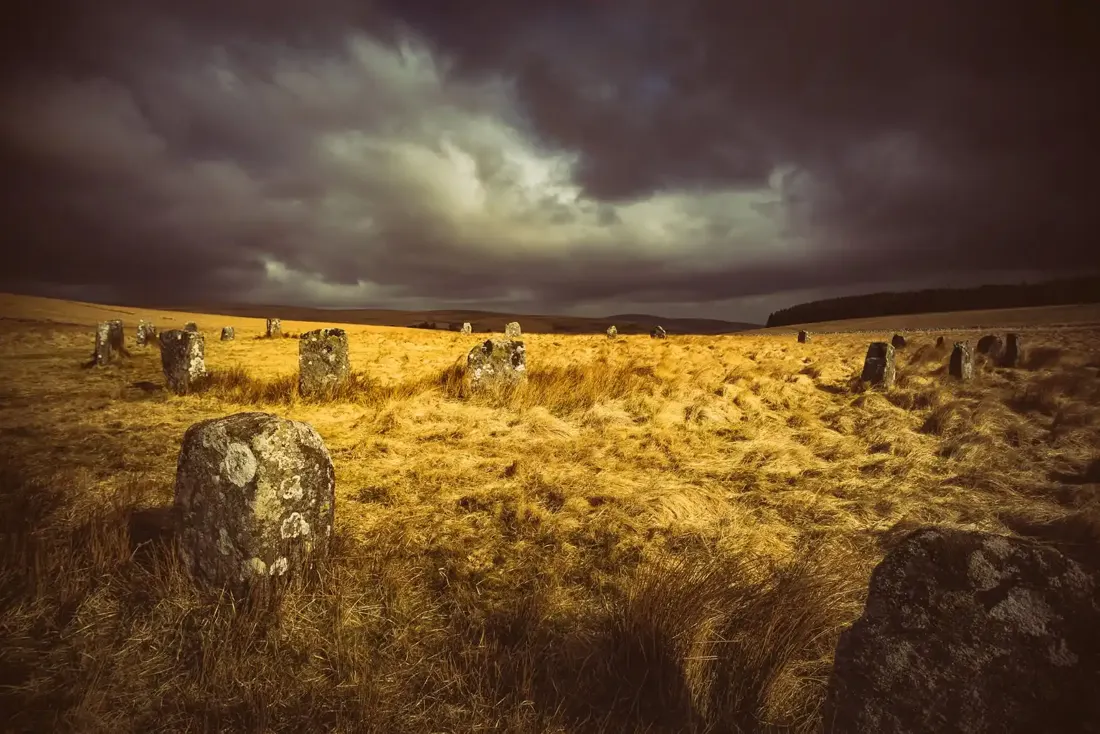
Grey wethers. Photograph by Glavind Strachan Photography“I may be mistaken, but it seems to me that cooking done over a peat fire surpasses cooking at the best club in London.”
Also on Our DartmoorStone cist near Yealm Steps — A small stone cist, 0.68 m by 0.22 m, with upright slabs up to 0.6 m high, on the eastern edge of a large hut circle settlement above the Yealm.