Visit South Devon
A wide-ranging visitor guide connecting South Devon's places to stay, food, attractions and events, with useful coverage of Dartmoor and its gateway towns.


Devon's visitor website brings accommodation, attractions, food and events together, helping people discover Dartmoor within the county's rich variety of places and experiences.
South Brent
A local resource signposting South Brent's organisations, community contacts and village amenities, helping people connect with life on Dartmoor's southern edge.
Okehampton
Real 17th-century mayor of Okehampton whose misappropriation of a sailors' ransom fund grew, over five Victorian retellings, into the "Benjie Geare" devil legend of Cranmere Pool.
Buckfastleigh
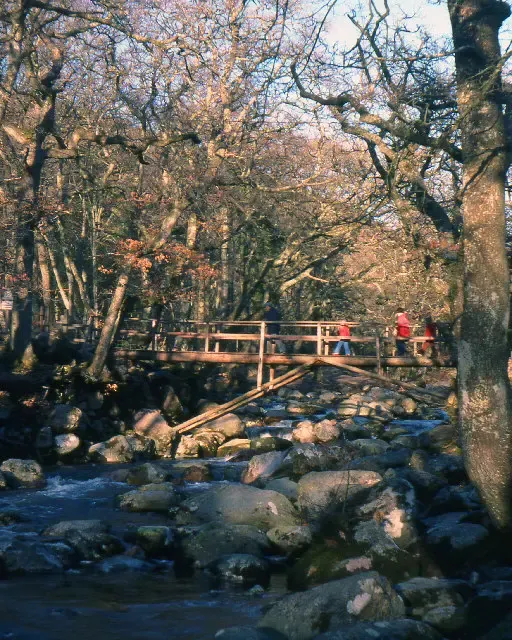
National Trust ancient oak woodland on the River Dart near Buckfastleigh, a Site of Special Scientific Interest home to two historic monuments and rare wildlife including greater and lesser horseshoe bats.
Newton Abbot
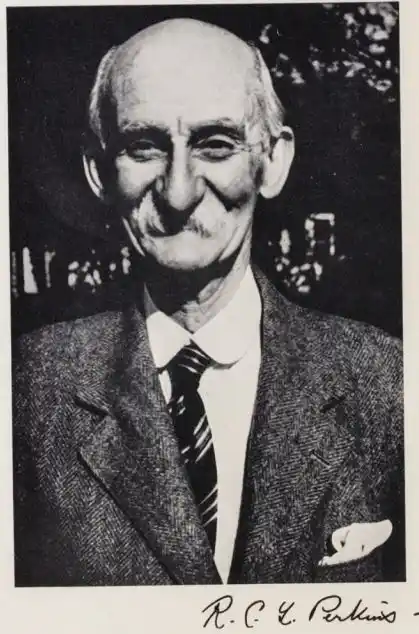
British entomologist known in Hawaii as the "Father of Hawaiian Zoology" (Linnean Medal 1912, FRS 1920), who retired to south Devon in 1912 and, according to specimen records, spent part of his later years collecting moths at Hexworthy and Lustleigh on Dartmoor's eastern edge.
Tavistock
Tavistock poet and domestic servant (1804-1853) whose verse was discovered and published with the help of her employer, the author Anna Eliza Bray.
Lydford
Ruined Dartmoor farmstead below Doe Tor, occupied for over 200 years until the mid-1950s, with a genuine literary connection to Sabine Baring-Gould and an antiquarian puzzle over one of its granite stones.
Shaugh Prior, Plymouth
National Trust ancient oak woodland in the Plym and Meavy valleys near Shaugh Prior, a Site of Special Scientific Interest for its moss and lichen diversity, with 19th-century mining remains and an Iron Age hillfort around the Dewerstone.
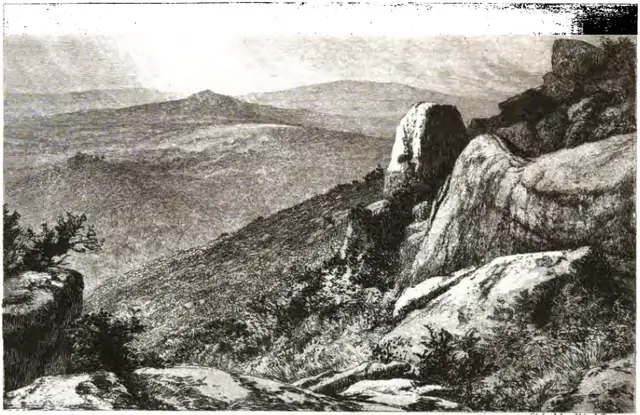
Plate from An Exploration of Dartmoor and Its Antiquities, page 286, 1889“the soil swampy, ever shrouded in vapour, dreary, wet and aguish, and, indeed, what other can be expected from a spot said to be placed in the midst of 40,000 acres of marshy ground .... the soil has been partially drained, and a town (Princetown) has been built .... but we believe it to be pretty ...”
Also on Our DartmoorRound cairn near Langstone Moor stone circle — A small round cairn, 4.2 m across and 0.35 m high, 25 m south of the Langstone Moor stone circle, dug in 1901 and found to hold only a pit.