← Browse Tors & Landmarks · Browse the directory
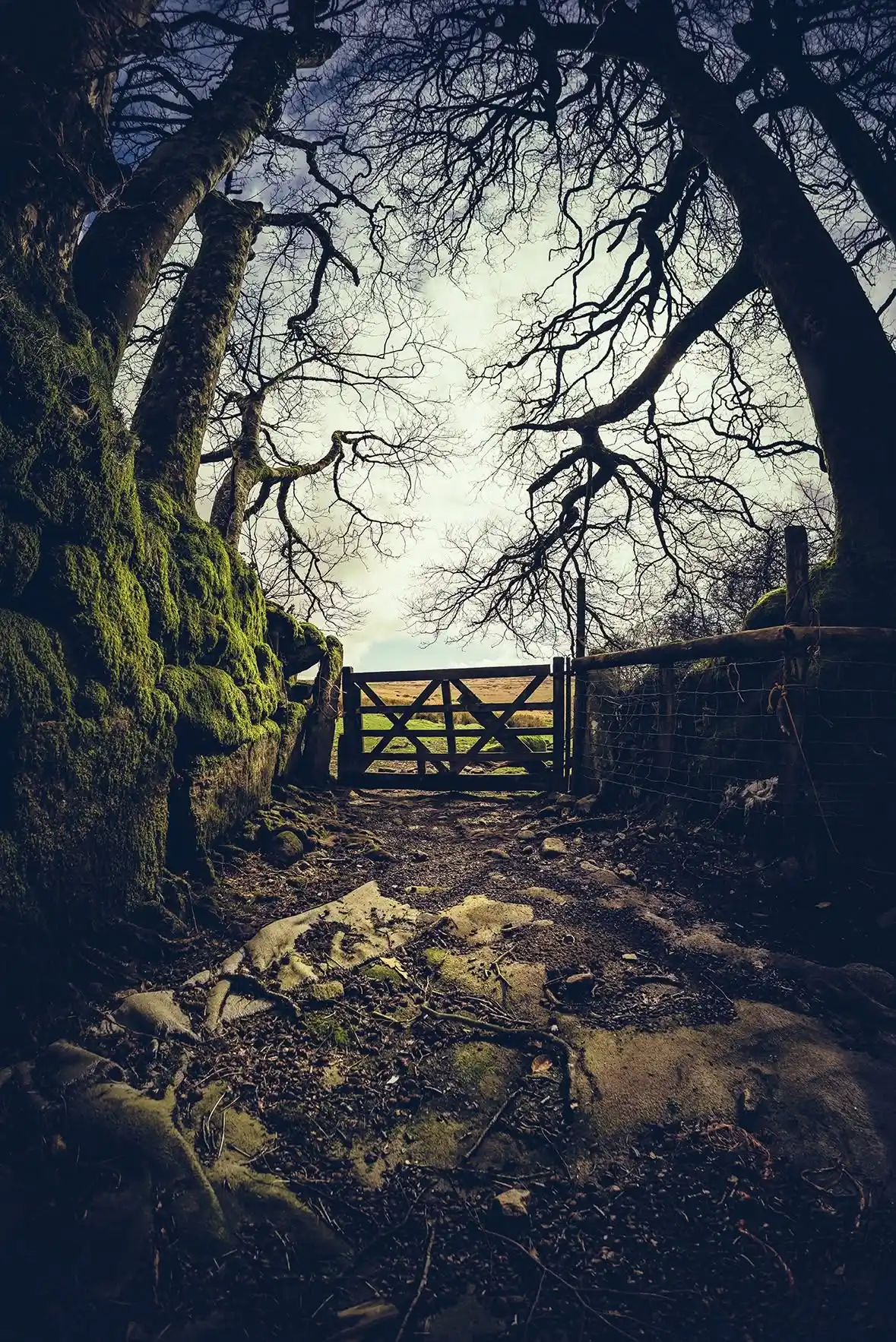
Doe Tor Farm stands on the moorland boundary on the west side of Dartmoor, in the historic parish of Lydford, about 550m west of the granite tor Doe Tor from which it takes its name. Its enclosures are bounded by the Doetor Brook to the north, the Wallabrook to the south and the River Lyd to the west. A dwelling here, first recorded as "Dotter Green", most likely dates from between 1732 and 1740, making it one of the earliest farms on this part of the moor - predating the main wave of Dartmoor farm enclosure by half a century or more. The farm remained in continuous occupation for over 200 years.
Sabine Baring-Gould set his short story "Little Dixie", in his 1896 collection Dartmoor Idylls, at the farm, giving what a later archaeological survey called "an accurate topographical description of its setting." He described "an octagonal mass of granite, with a socket sunk in the midst, the base of one of the many rude crosses that anciently stood on the moor" lying just beyond the farm's entrance court. The antiquary R. Hansford Worth later identified what is probably the same stone, in a 1950 paper for the Devonshire Association, not as a cross-base at all but as an "edge-runner" - a granite wheel from a cider mill. The stone stood in a hedge around 150m below the farmhouse until it was stolen in 2005.
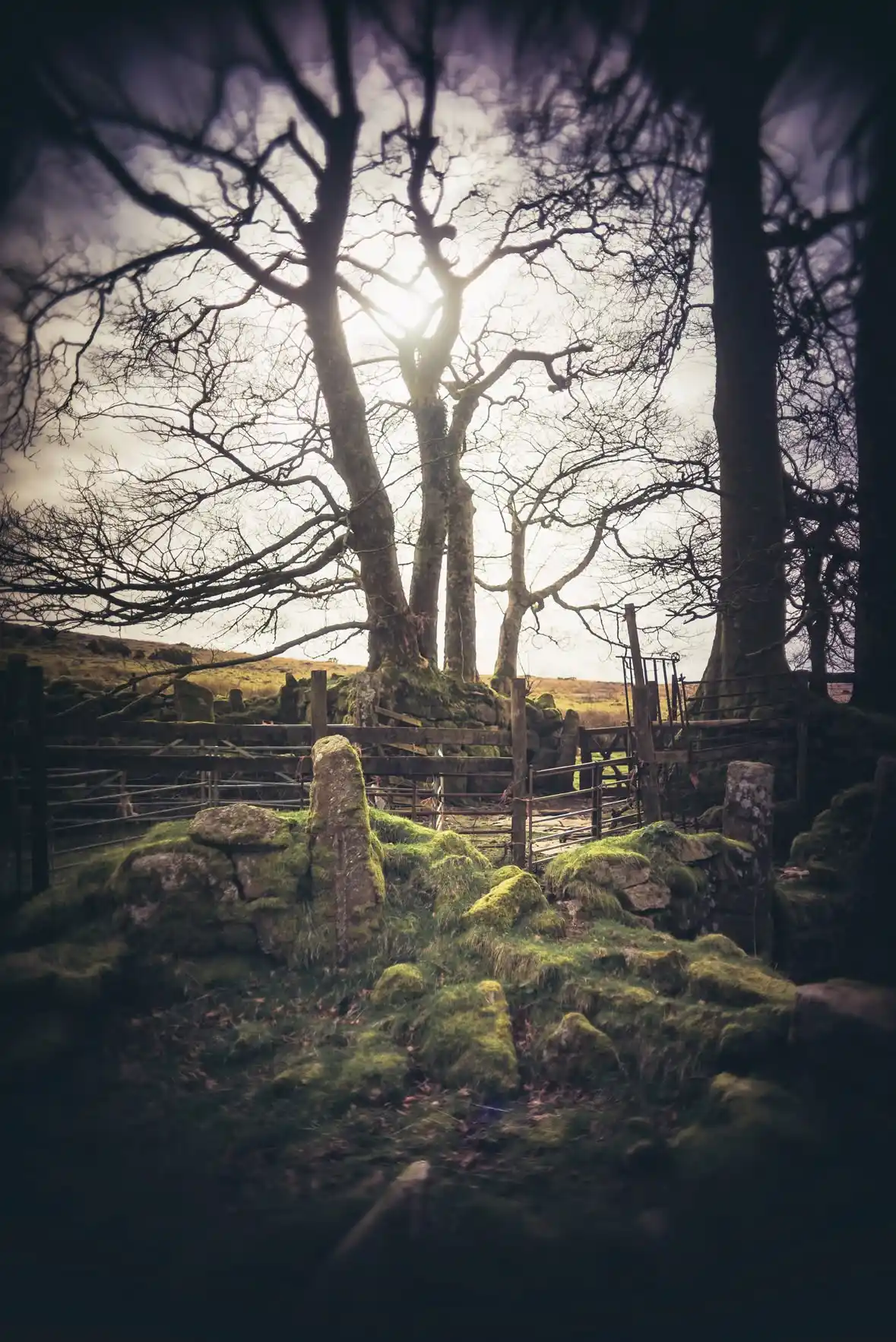
The War Department purchased the 208-acre farm in November 1905 for £5,000 from Mrs Susan Emily Calmady Hamlyn, later passing to the Ministry of Defence as part of the Willsworthy Training Area. Its last occupants, George and Nora Ball, told the writer Eric Hemery in the spring of 1954 that they would not spend another winter there; electoral registers confirm they had left by 1955, ending more than two centuries of occupation at Doe Tor Farm. The empty farmhouse was photographed as a ruin in 1969 and demolished not long afterwards, around 1970. The fields are still farmed as grazing land today, and the ruins remain a popular, easily-reached destination for walkers from Lydford.
Sources: MoD/Wessex Archaeology Historic Site Appraisal, Baring-Gould, "Dartmoor Idylls" (1896), archive.org, Dartmoor Explorations. Walking route: Lydford High Down to Doe Tor Farm Ruins.
Explore further
Recommended online resources for exploring Dartmoor's tors:
Thoughts
Be the first to share a thought about Doe Tor Farm.
Share a thoughtKnow another Dartmoor place, tor or landmark we should include? Suggest a listing, it is free.
Suggest a listing