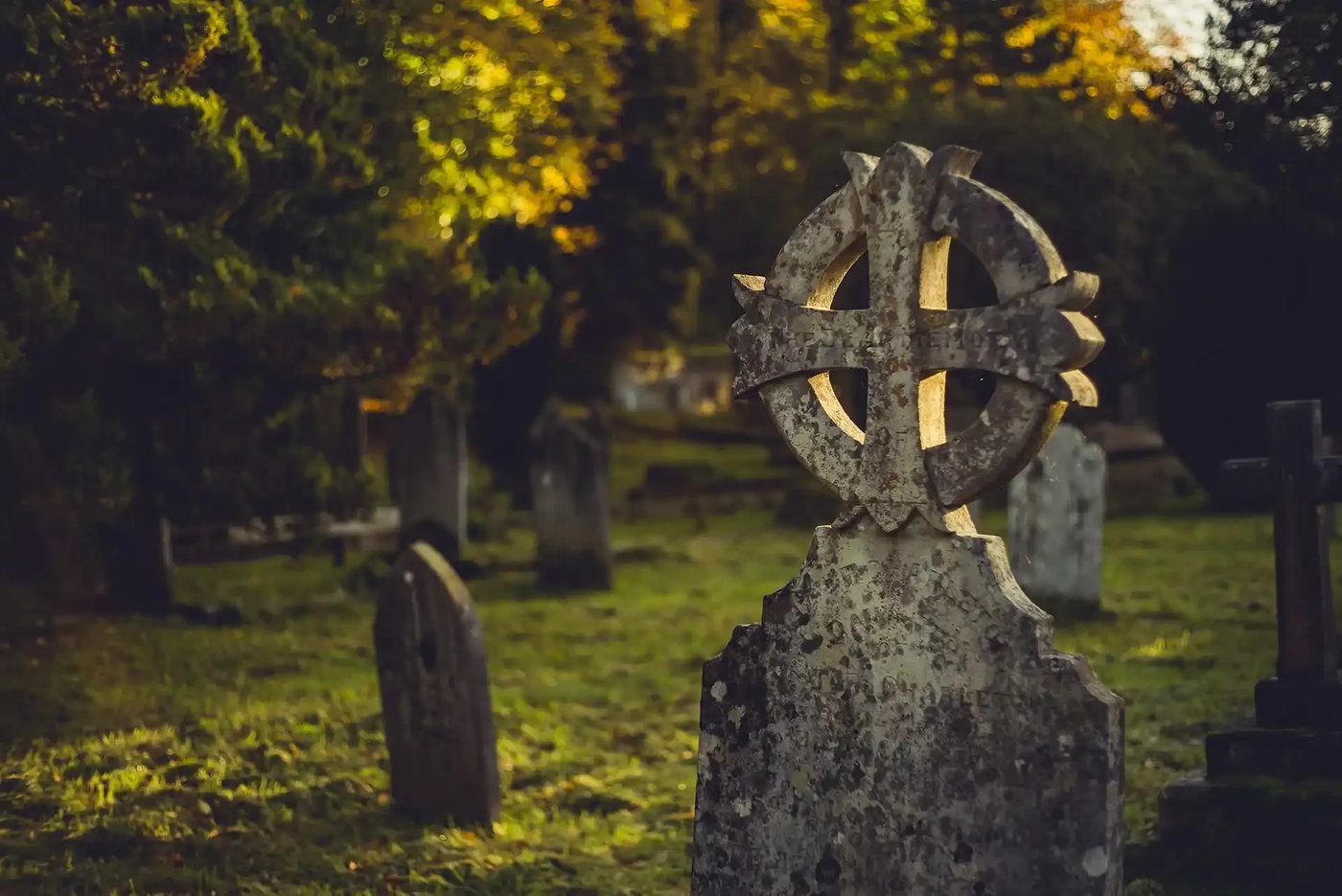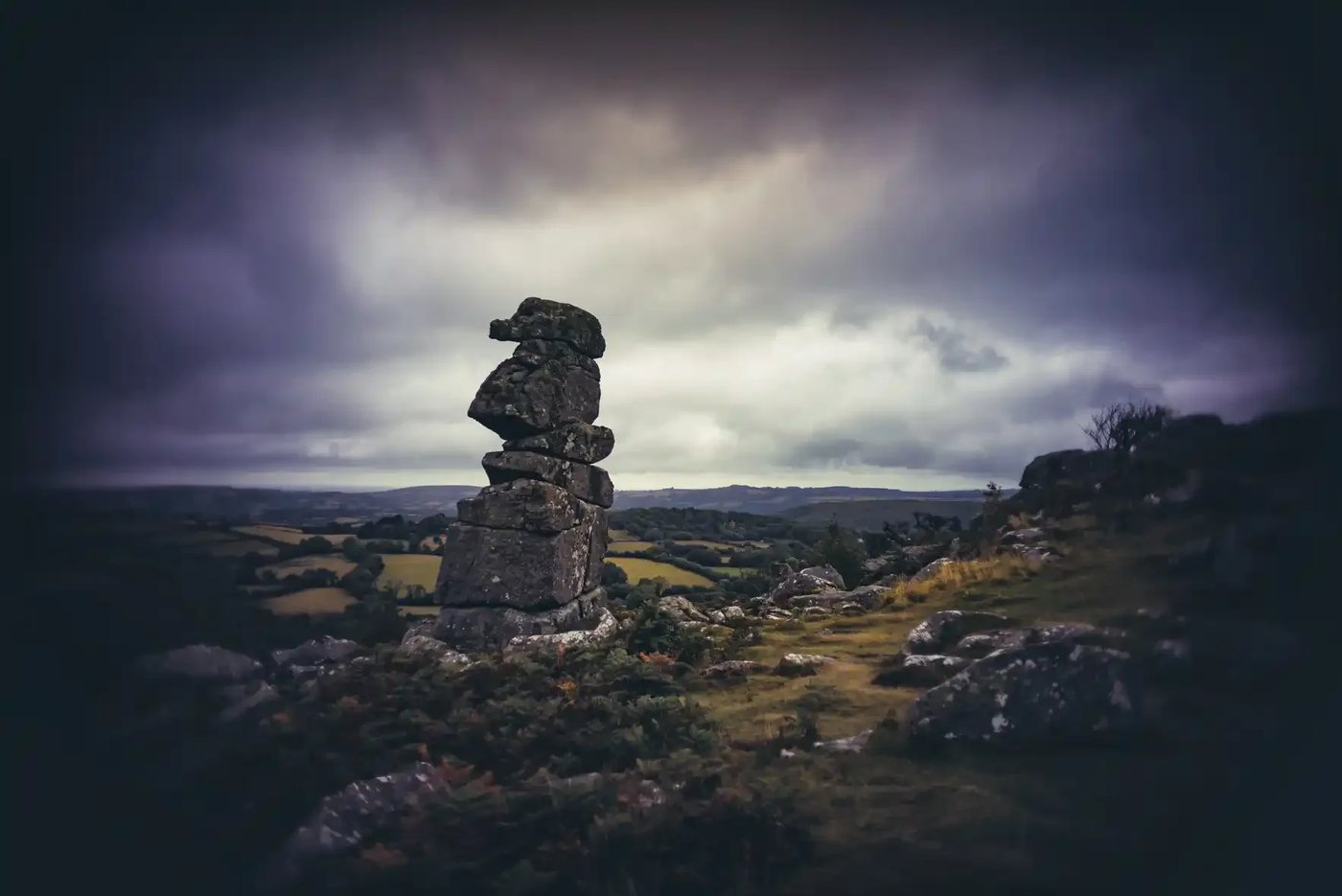
Photo © Rob Purvis, CC BY-SA 2.0, via Wikimedia Commons
Lydford
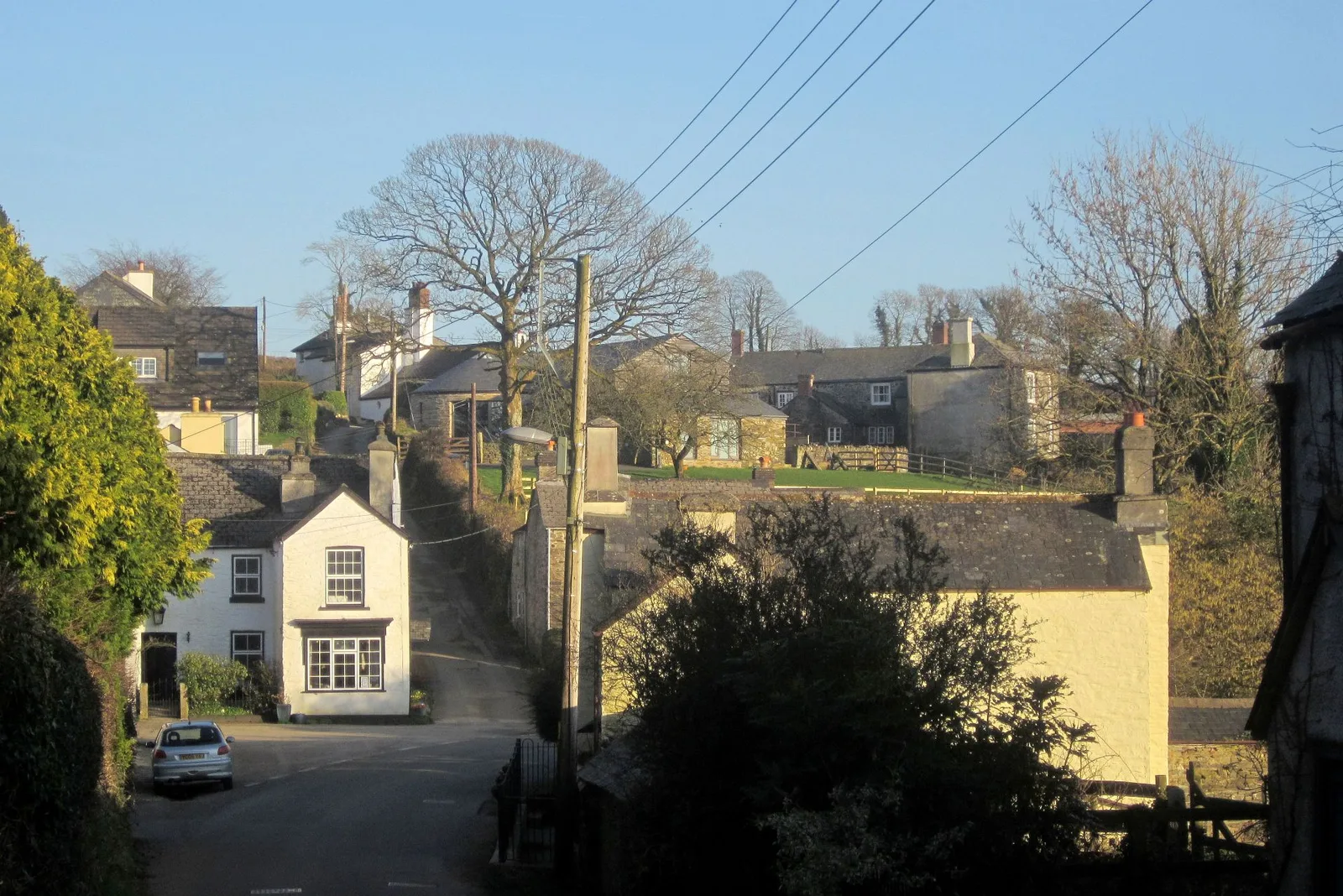
Lydford is a village and large parish on the River Lyd, seven miles north of Tavistock on the western edge of Dartmoor. The 2021 census recorded 370 people. It began as a burh founded in the 880s as part of Alfred the Great's defence against the Vikings. A mint opened in 973, and Viking raiders attacked in 997. By Domesday Book (1086) the tax it paid matched London's. The local village site says that for 900 years it was the largest parish in England, covering the whole Forest of Dartmoor, until 1987.
The Normans built a small ringwork around 1087 to 1088, abandoned by the mid-12th century. The stone tower now called the castle dates from about 1195, so the 1132 date in some accounts looks wrong. It served as courthouse and prison for the Forest of Dartmoor and the tin-mining districts, and was enlarged in the 13th century. William Browne's poem of 1640 gave rise to 'Lydford Law', which has them hang and draw in the morning and try the case afterwards. Royalists used the tower as a prison in the Civil War, and it was decayed by the 1600s.
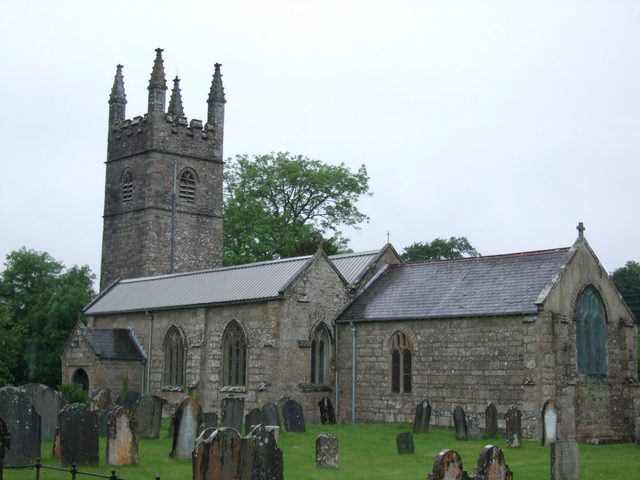
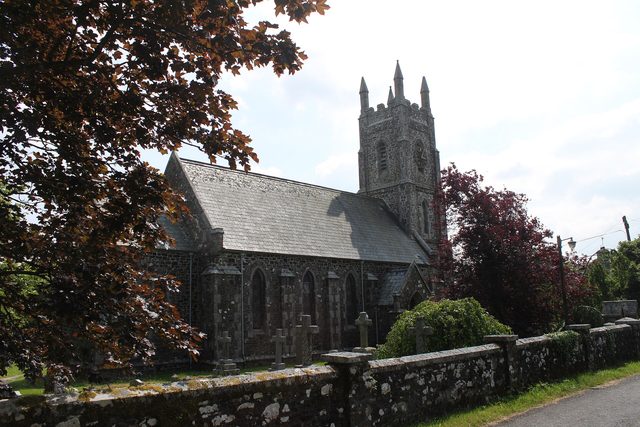
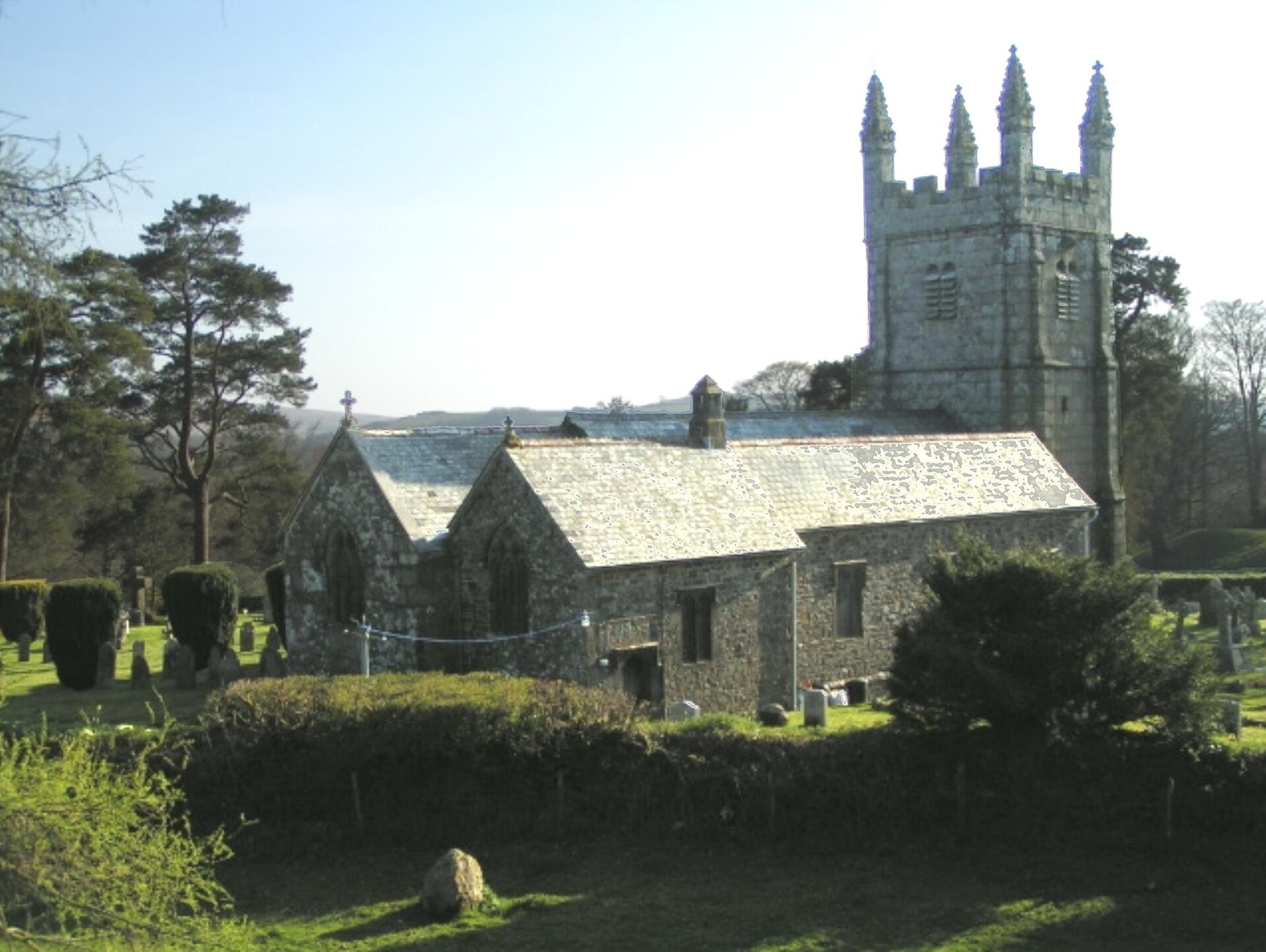
The village site gives the first church as a wooden building around 649, linked to St Petroc, and the present church carries his name. Lydford Bridge was first recorded by William of Worcester in 1448. Lydford Gorge is managed by the National Trust and has the White Lady waterfall.
Lydford on the map
In Lydford

Black Rock Falls
Lydford, Okehampton
A small waterfall and dark pool on the River Lyd below Brat Tor and High Down, beside the Black Rock and the Captain Hunter Memorial. Locals call it the Witches Pool.
Brat Tor Stone Workings
Lydford, Okehampton
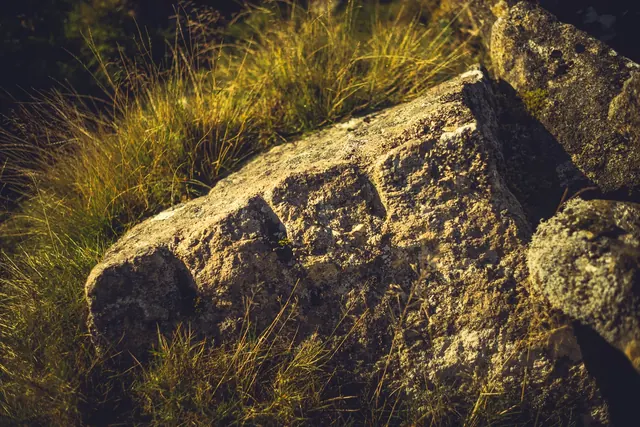
Small stone workings on the south-west slope of Brat Tor, below Widgery Cross: heaps of broken granite and blocks with the notches left by splitting stone with tare and feather. It is not marked as a quarry on the old maps and we have found no written record of one.
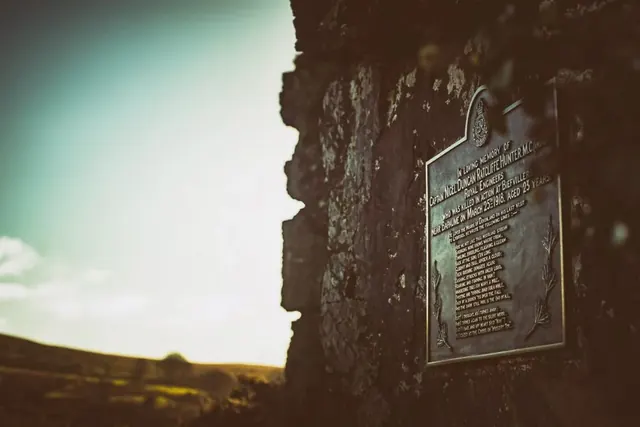
Captain Hunter Memorial
Lydford, Okehampton
A plaque on the Black Rock above the River Lyd near Lydford, in memory of Captain Nigel Hunter MC and Bar, Royal Engineers, killed in action in France on 25 March 1918, aged 23.
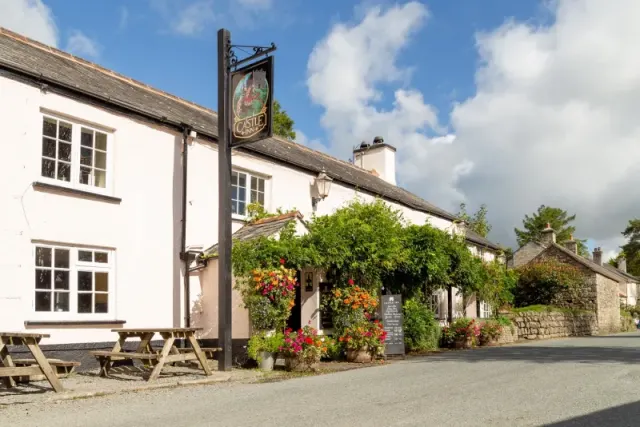
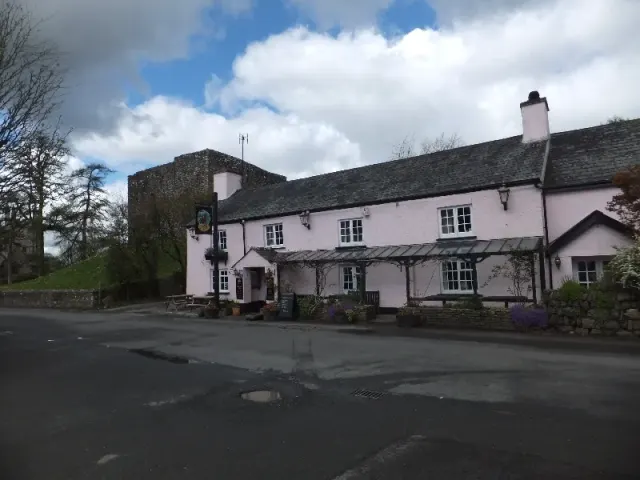
Castle Inn - Lydford
Lydford, Okehampton
An award winning 16th century Devonshire pub with thirteen bedrooms, situated in the historic and picturesque Dartmoor village of Lydford.
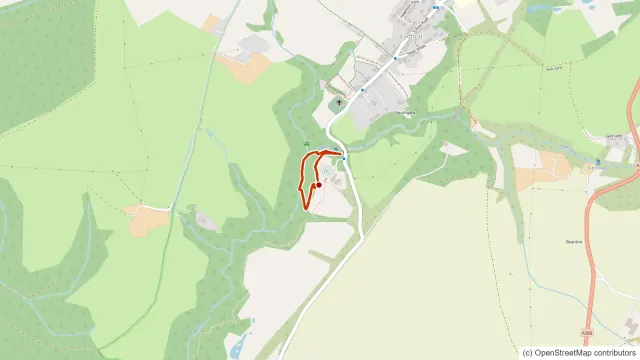
Devil's Cauldron Trail, Lydford Gorge
Lydford
Devil's Cauldron Trail, Lydford Gorge is a short walking route of about 0.7 km on and around Dartmoor.
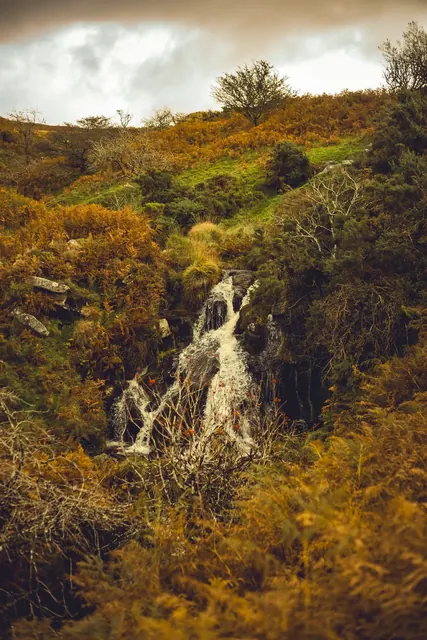
Doe Tor Falls
Lydford, Okehampton
A small waterfall on the Doetor Brook between Doe Tor and Brat Tor, described by William Crossing in 1914 as a most charming cascade hidden away in a narrow rift.
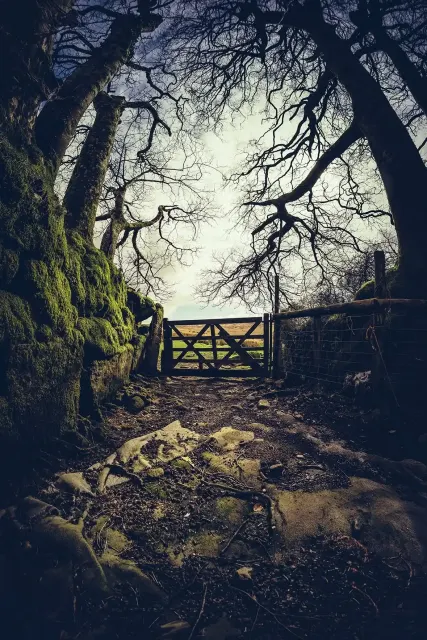
Doe Tor Farm
Lydford
Ruined Dartmoor farmstead below Doe Tor, occupied for over 200 years until the mid-1950s, with a genuine literary connection to Sabine Baring-Gould and an antiquarian puzzle over one of its granite stones.

Doetor Brook Footbridge
Lydford, Okehampton
A small concrete slab bridge carrying a well-used path over the Doetor Brook between Doe Tor and Brat Tor, a few metres from the gate to Doe Tor Farm and easy to miss among the gorse.
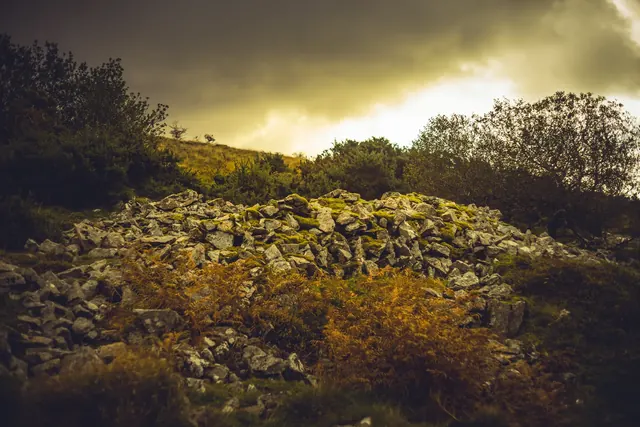
Doetor Quarry
Lydford, Okehampton
A small quarry marked on the 1900s Ordnance Survey map on Doetor Common, beside the track about 200 m north-north-east of Doe Tor Farm. No written record of it has been found, and a pile of loose granite in the rough ground nearby does not line up with its mapped position.
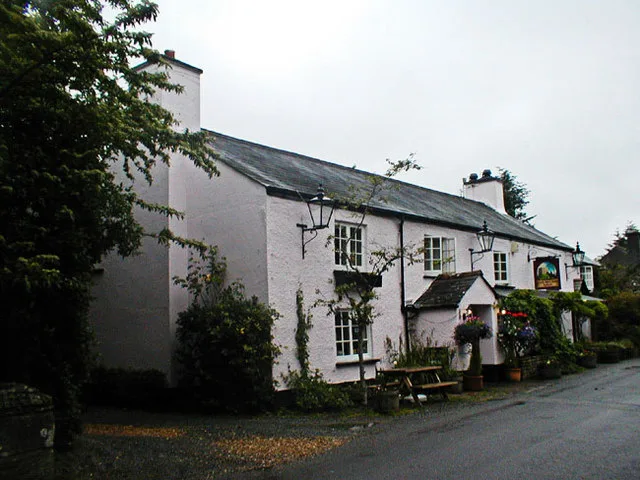
Llanford Danish vs Saxon War
Lydford, Tavistock
A stark memorial on open moorland marking a long-forgotten clash between Danish and Saxon forces.
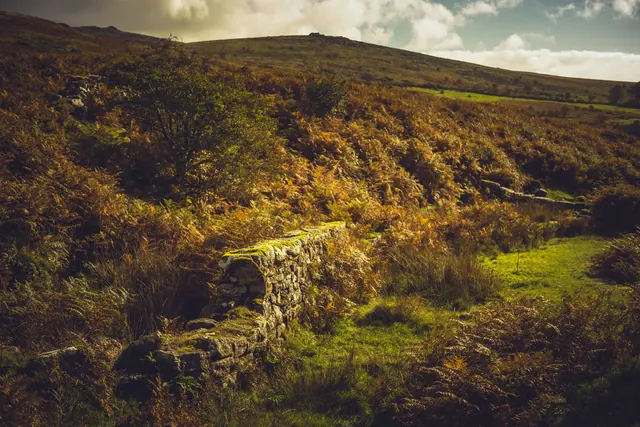
Lyd Enclosure
Lydford, Okehampton
A ruined drystone enclosure on the east bank of the River Lyd, opposite Black Rock below Brat Tor, marked on the 1900s Ordnance Survey map but not on the 1880s one. Its purpose is not recorded and we have found no written description.
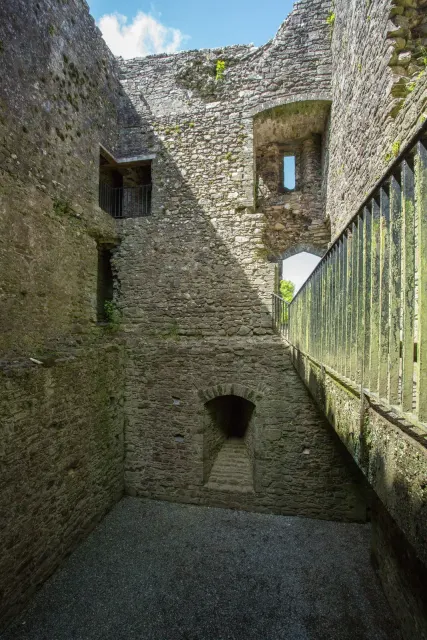
Lydford Castle
Lydford, Tavistock
A Norman stronghold reduced to atmospheric ruins on the edge of Dartmoor, where castle and landscape have merged over nine centuries.
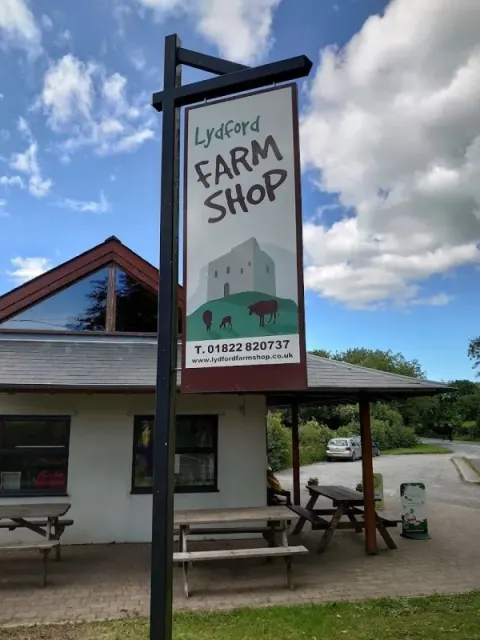
Lydford Farm Shop
Lydford, Okehampton
Nestled in the picturesque countryside of Okehampton, this farm shop exemplifies excellence in local produce and artisanal goods.
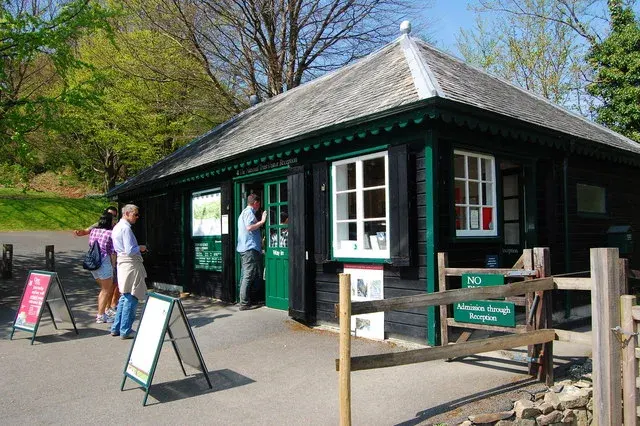
Lydford Gorge White Lady Entrance
Lydford, Tavistock
A dramatic river gorge carved through moorland stone, where the East Dart plunges through Lydford's rocky depths.
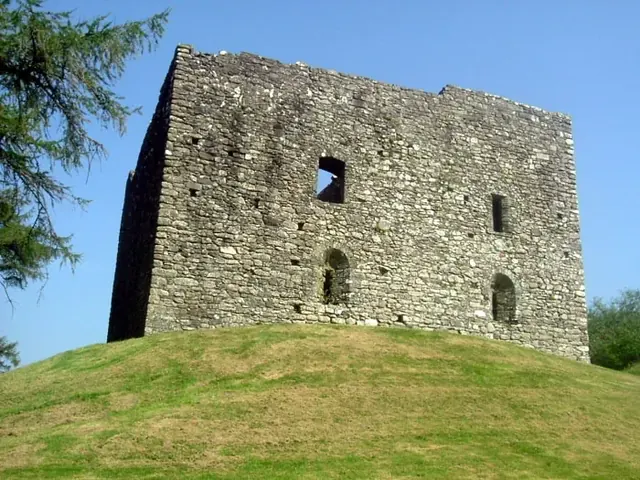
Lydford Law
Lydford
'Lydford Law' was a saying for quick, rough justice, tied to the stannary court and prison in Lydford Castle.
Lydford Parish Council
Lydford, Okehampton
The parish council for Lydford, home to Lydford Gorge and the ruined stannary castle.
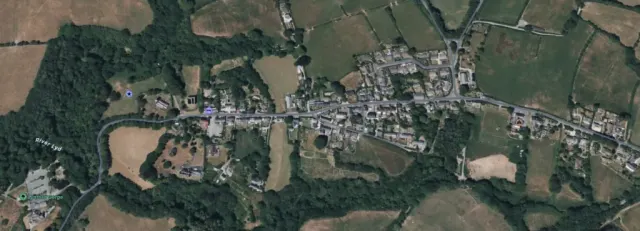
Lydford Village Website
Lydford
A welcoming guide to Lydford's village life, combining community updates and events with information about visiting, places to stay and where to eat.
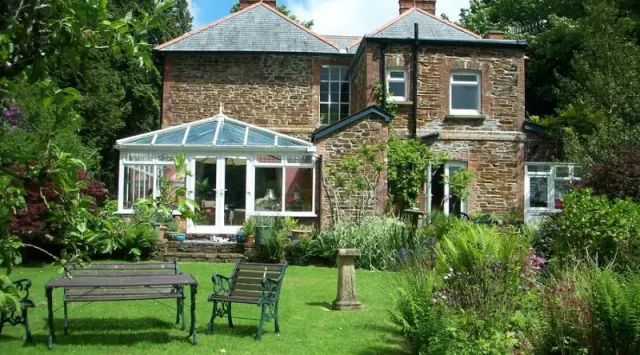
Moor View House
Lydford, Okehampton
Five-star bed and breakfast on Vale Down near Okehampton, with views across Dartmoor and easy access to local attractions.
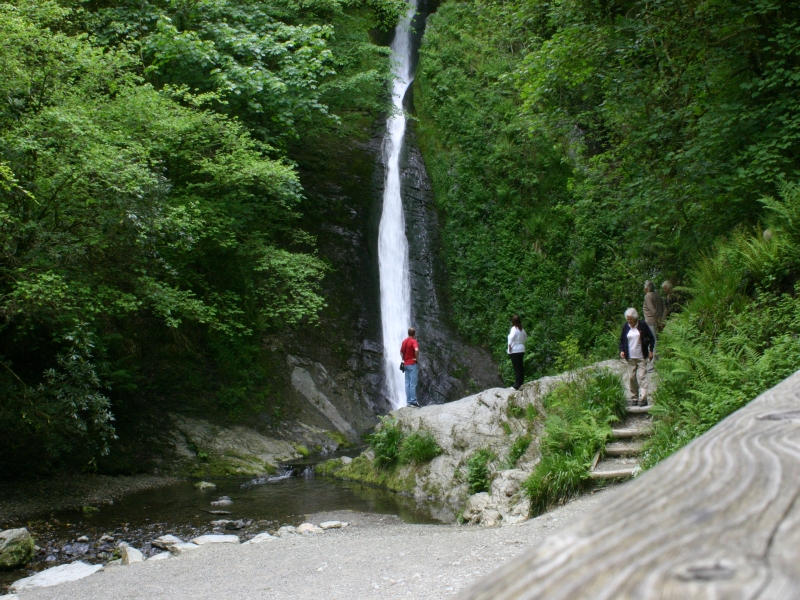
River Lyd
Lydford
The Lyd is a river rising at Lyd Head in the Dartmoor national park in Devon in South West England and flowing into the River Tamar beyond Lifton. It runs through Lydford Gorge, the deepest gorge in South West

Sharp Tor, Lydford
Lydford
The highest of the Sharp Tors, a granite tor of 519 m on the north moor that moormen call Lydford Sharp, with views over North Devon and Cornwall.

The Dartmoor Inn at Lydford
Lydford, Okehampton
Classy Modern British dishes in a 16th-century inn with a chic look and 4 stylish B&B rooms.
The Gubbins of Lydford
Lydford
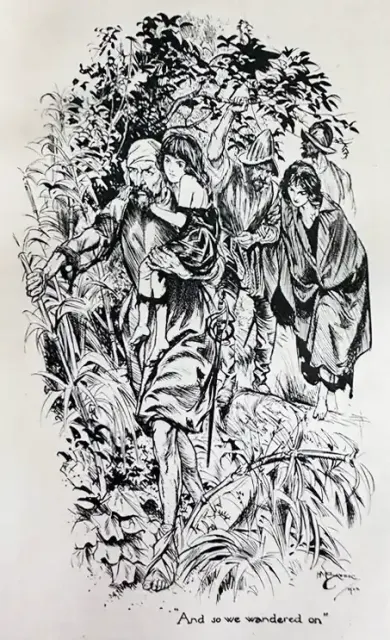
A band of outlaws said to have lived wild around Lydford Gorge in the 17th century, led by the semi-legendary Roger Rowle, part real rumour of the English Civil War era and part Robin Hood story.
The Lichway
Lydford
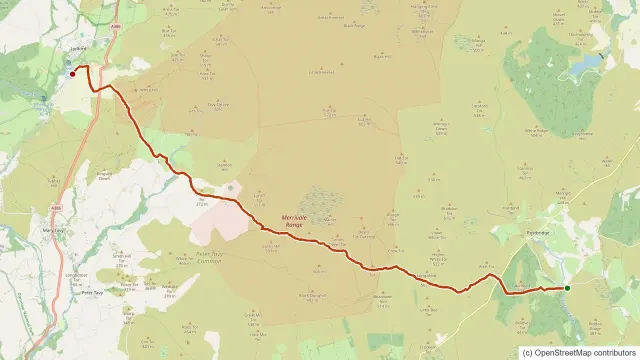
The Lich Way is Dartmoor's old 'way of the dead', the corpse road along which moorland families once carried their dead to burial at Lydford.

The Lych Way (Lich Path)
Lydford, Okehampton
The Way of the Dead: the old route across central Dartmoor from Bellever to Lydford, said to have been used to carry the dead to be buried at Lydford church. The exact line is disputed.
Walla Brook (Doe Tor, River Lyd)
Lydford
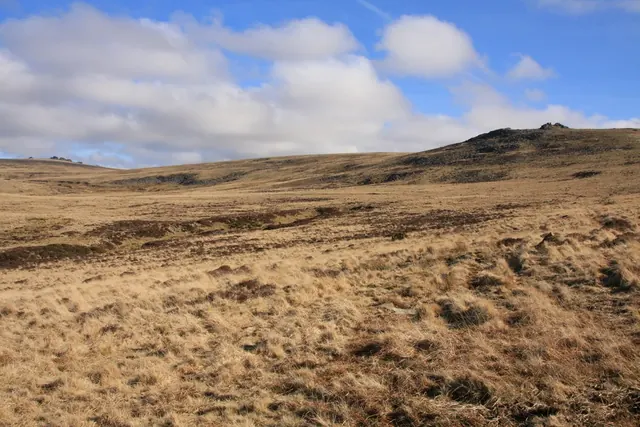
A short brook that rises at Wallabrook Head just south of Doe Tor and flows west for about a mile to the River Lyd.
Wheal Mary Emma
Lydford, Okehampton
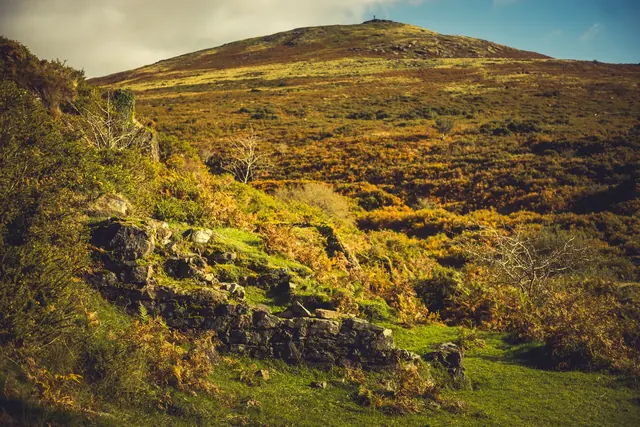
Wheal Mary Emma was a small tin mine beside the River Lyd below Brat Tor, worked from 1849 and named for its owner's ten-year-old daughter. Its capped shaft, dressing floor, smithy and office ruins survive on the slope above the river, close to the Captain Hunter Memorial.