Wheal Friendship
Mary Tavy
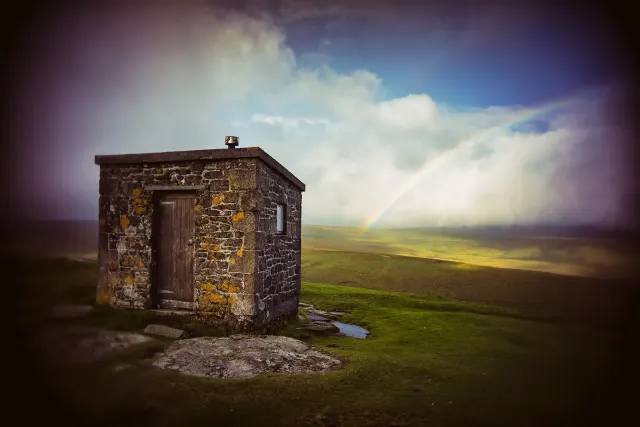
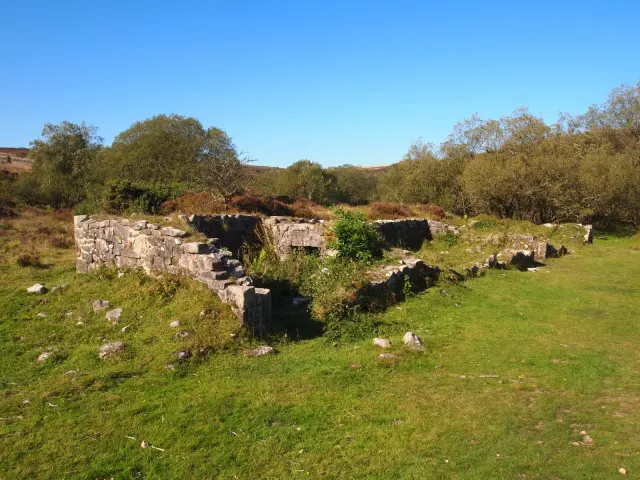
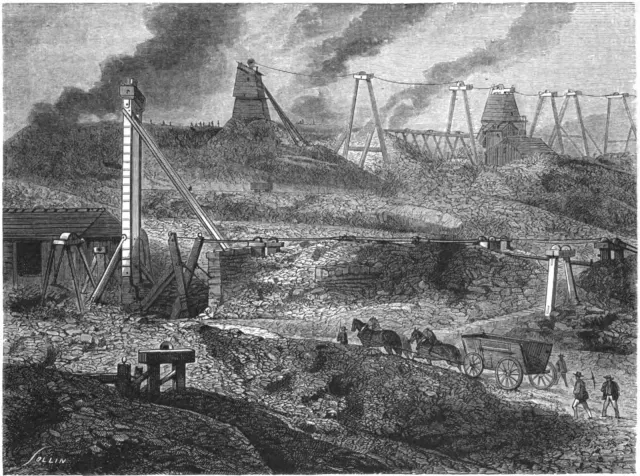
Dartmoor's most important copper mine, worked from 1700 to 1925, later the main source of arsenic; its calciners and flues survive beside Cholwell Brook.
Showing listings tagged “Mining” Show all listings
Mary Tavy
Dartmoor's most important copper mine, worked from 1700 to 1925, later the main source of arsenic; its calciners and flues survive beside Cholwell Brook.
Postbridge
Dartmoor's biggest tin mining complex: two mines either side of the Redwater valley, worked together from 1845 until 1882 and again to 1913.
Lustleigh
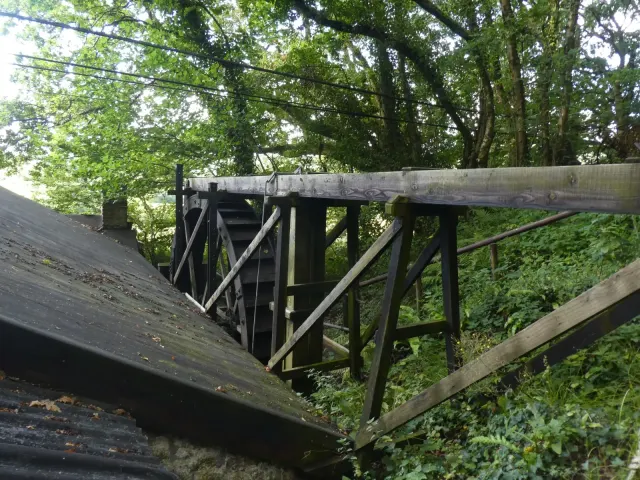
A restored micaceous haematite mine beside the Bovey Tracey to Moretonhampstead road, with working waterwheels and machinery kept by volunteers.

Which Dartmoor tor is this?
Postbridge
The last tin mine worked on Dartmoor, beside the Redwater Brook; the waste heaps were still being worked until it closed on 12 November 1930.
Lydford, Okehampton
Wheal Mary Emma was a small tin mine beside the River Lyd below Brat Tor, worked from 1849 and named for its owner's ten-year-old daughter. Its capped shaft, dressing floor, smithy and office ruins survive on the slope above the river, close to the Captain Hunter Memorial.
Dartmoor CAM is a very large illustrated record of walking on Dartmoor: 503 walks and over 24,000 photographs recorded by Keith Ryan, with GPS track maps, labelled place-markers and notes on what each place is.
Lydford
A short brook that rises at Wallabrook Head just south of Doe Tor and flows west for about a mile to the River Lyd.
Peter Tavy
A largely forgotten tor of 348 m with three crags crowned by hawthorns, between Great Combe Tor and Cocks Tor above Peter Tavy Combe.
Princetown, Yelverton
A granite tor of 376 m above the River Meavy with a rocking logan stone on its top outcrop, Black Tor Falls and an old blowing house below.