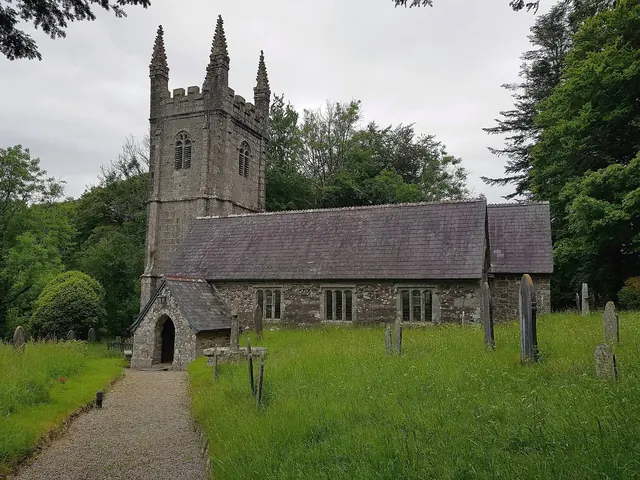
Church of St Mary, Sampford Spiney
Sampford Spiney, Yelverton
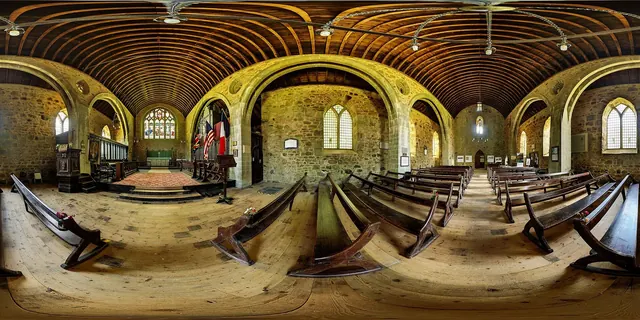
Grade I church with a late 13th or early 14th-century nave and transept, a 16th-century granite tower, and a 14th-century font.
Dartmoor's archaeology and heritage - antiquities, historic buildings and museums.
Sampford Spiney, Yelverton
Grade I church with a late 13th or early 14th-century nave and transept, a 16th-century granite tower, and a 14th-century font.
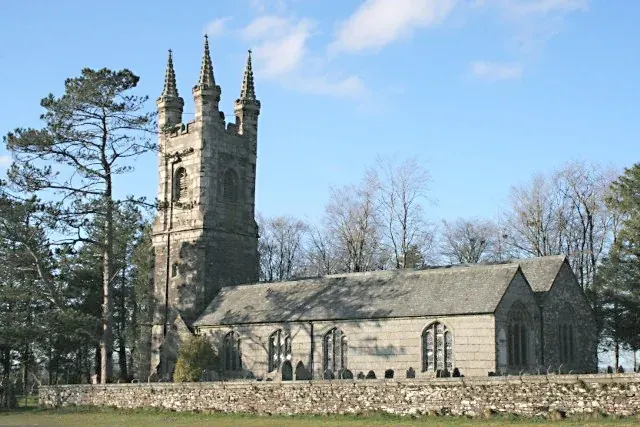
Walkhampton, Yelverton
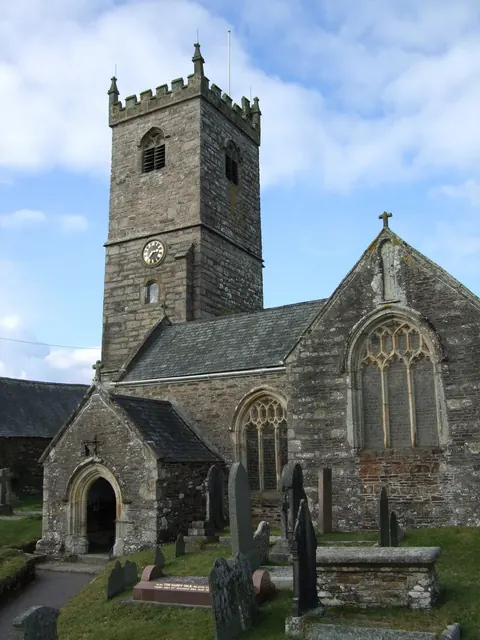
Grade I granite church of the late 15th and 16th centuries, standing apart from Walkhampton village, with a tall pinnacled tower.
Chagford, Newton Abbot
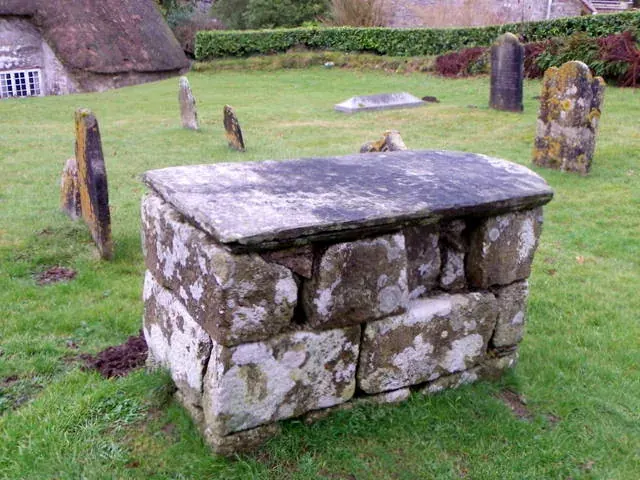
Grade I granite church, a complete 15th-century rebuild with a Whiddon table tomb of 1575 and the grave slab of Mary Whiddon, died 1641.
Princetown, Yelverton
Grade II* granite church of about 1810-14 by Daniel Alexander, built with prisoners of war from Dartmoor Prison, later enlarged.
Grade I listed medieval church dedicated to St Pancras, a modest stone building with long roots in Dartmoor's ecclesiastical landscape.
What year is the original motte-and-bailey structure of Lydford Castle thought to have been built?
Buckland in the Moor, Ashburton
Grade II* granite church, 15th or early 16th century, with an original painted screen and a clock face lettered MY DEAR MOTHER.
Meavy, Yelverton
Grade I church with a Norman core, a chancel-arch pier carved with rams' heads, and carved roof bosses, beside the Meavy Oak.
Peter Tavy, Tavistock
Grade I granite church, probably 14th century and much rebuilt in the 15th, whose tower was struck by lightning on 21 November 1893.
Grade II* listed medieval church dedicated to St Petrock, set within the Dartmoor landscape.
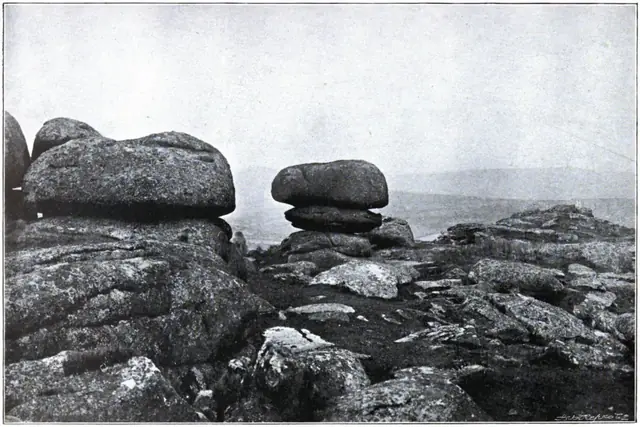
Plate from Dartmoor Illustrated, page 188, 1900“Not likely; you don't come in here. The policeman's about the place, and I don't want 'ee," was her cheering reply.”
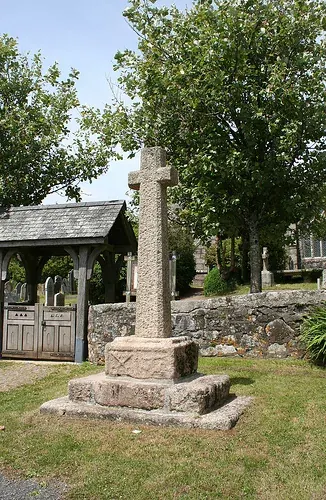
Also on Our DartmoorOuldsbroom Cross — A 13th-century wayside cross, 1.6 m high, at a fork in the road at Ouldsbroom, moved to Town Farm about 1825 and put back about 1957.