
Churches & Chapels
Church of St Thomas of Canterbury
A Grade II* listed church dedicated to St Thomas of Canterbury, set in the Dartmoor landscape.


Dartmoor's archaeology and heritage - antiquities, historic buildings and museums.
A Grade II* listed church dedicated to St Thomas of Canterbury, set in the Dartmoor landscape.

Grade I listed medieval church dedicated to the Welsh saint, standing in the Dartmoor landscape.
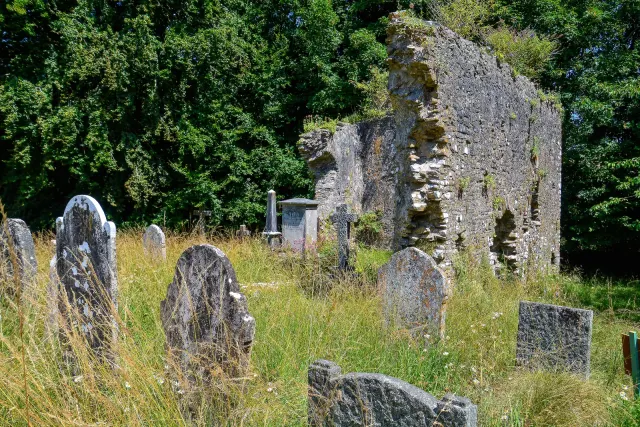
Ruined structures standing to the east of the Church of Holy Trinity, likely medieval in origin.
“The only signs of life are the furry inhabitants of the warren, and, perchance, a herd of Dartmoor ponies, wild as the country over which they roam, and a few sheep or cattle grazing on the slopes.”
Who wrote this?
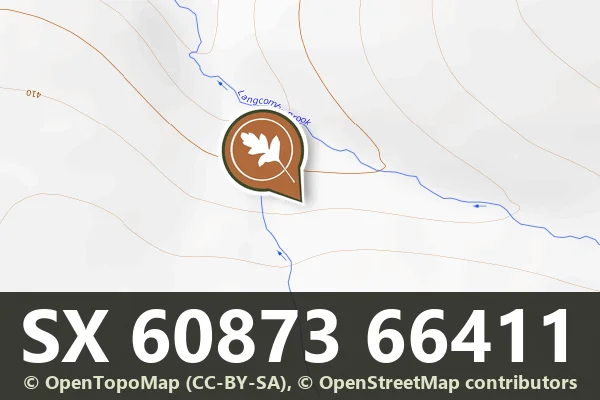
A small cist, 0.72 m by 0.5 m and 0.3 m deep, aligned east to west and just standing above the ground, with no visible mound, above Langcombe Brook.
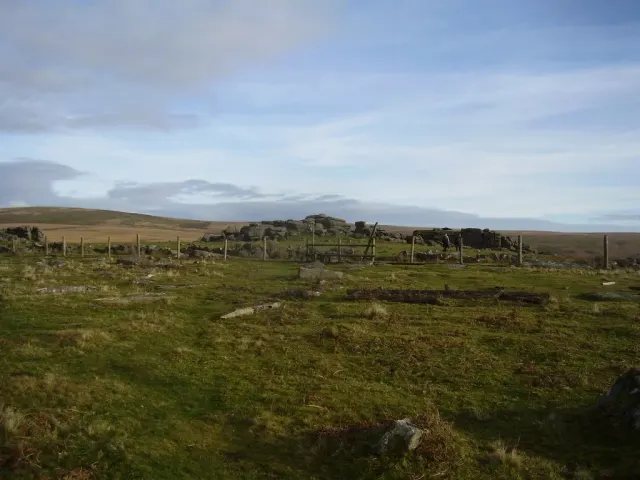
A cist 1.2 m long and 0.5 m deep, with its east side and cover stone moved but lying beside it, 200 m south-west of Gutter Tor, with no mound.

A Grade II* listed farmhouse with surviving garden walls.

A hut circle settlement in four areas on the upper south-west slope of Combshead Tor, huts of upright-stone walls 0.7 to 1 m high, 13.1 to 50.2 square metres inside.

A listed stone conduit head built to supply water to a house on Dartmoor.

The summit cairn of Cosdon, 27 m across and 3 m high, reused as a medieval beacon, with a ring cairn, a stone building and five post-medieval shelters.
