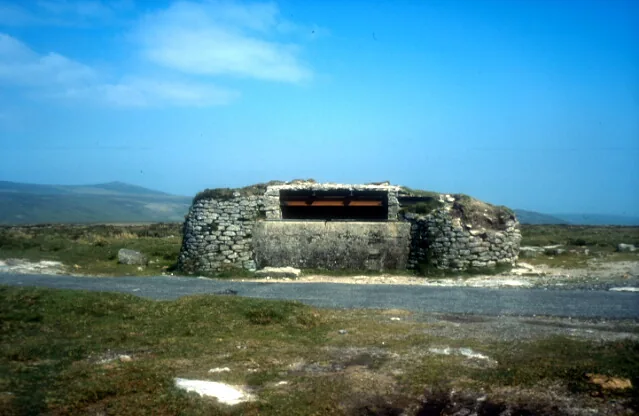
Okehampton Range: Observation Post 15, Okement Hill
Okehampton Hamlets, Okehampton
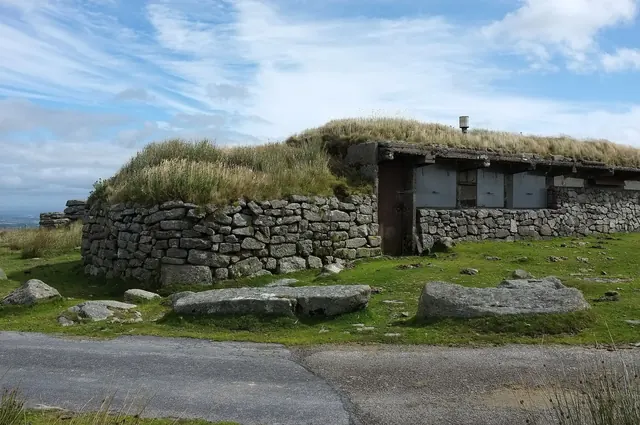
The best-known observation post on the Okehampton Range: a stone-walled, earth-covered shelter at the southern end of the old Circular Road on Okement Hill.
Dartmoor's archaeology and heritage - antiquities, historic buildings and museums.
Okehampton Hamlets, Okehampton
The best-known observation post on the Okehampton Range: a stone-walled, earth-covered shelter at the southern end of the old Circular Road on Okement Hill.
Okehampton Hamlets, Okehampton
The only observation post on the Okehampton Range still in regular use: built in 1923-24 for officers under instruction, beside the car park near East Okement Farm.
Okehampton Hamlets, Okehampton
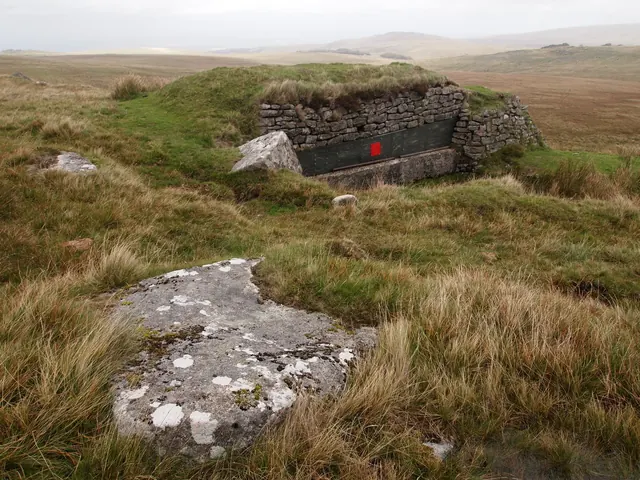
The only timber-framed artillery observation post on the Okehampton Range, banked with earth and turf above Curtery Clitters. Complete, but boarded up.
“The narrow vale of the Teign seen from this spot, thus enveloped in shade, seems to sink deeper down into gloom and pleasing mystery.”
Which book is this from?
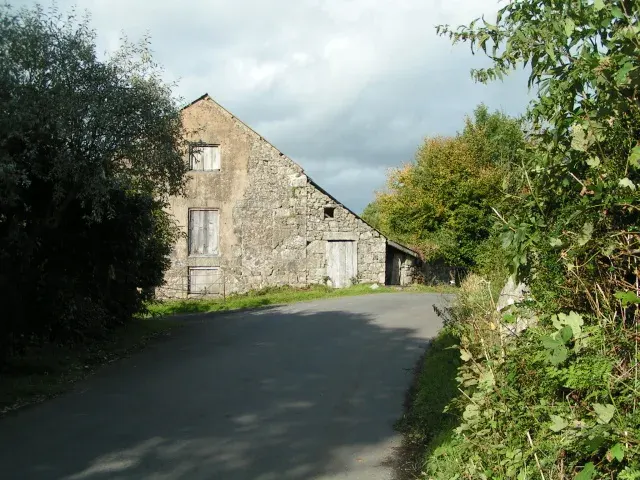
A Grade II* listed schoolhouse standing near Yeo Farmhouse, likely built in the 18th or 19th century on the northern Dartmoor moorland.
Okehampton
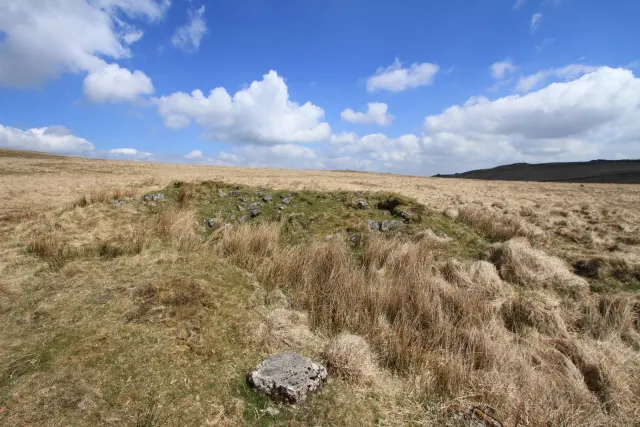
Weathered stone ruins standing alone on the open moor, a tangible remnant of human habitation in Dartmoor's sparse landscape.
Okehampton
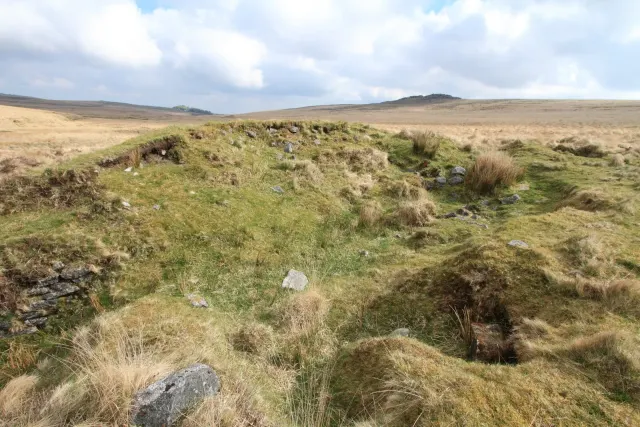
Stone foundations scattered across the moor, the remains of OP8, a structure whose original purpose lingers in mystery and moorland silence.
Listed building on Dartmoor. Historic England list entry 1260196.
A Grade II* listed outbuilding north of Neadon Upper Hall, likely 19th century, with adjoining dog kennel and steps.
A hut circle 6.5 m across inside with a wall 2.7 m wide and a south doorway, on the west edge of a large settlement above the Meavy.
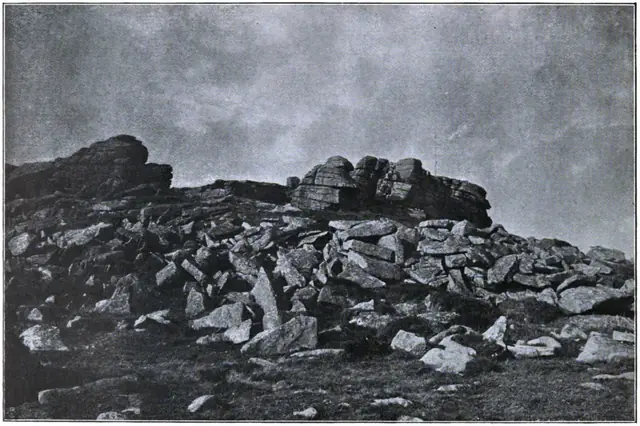
Plate from Dartmoor Illustrated, page 230, 1900“we gazed out over the shadowy moor, half silver and half gloom.”
Also on Our DartmoorCounty Bridge Stone Set Into Garden Wall Of Ponsworthy House About near Its South Gate — A stone marker built into a garden wall at Ponsworthy House, likely marking an old parish or estate boundary.