Longaford Tor hut circle settlement
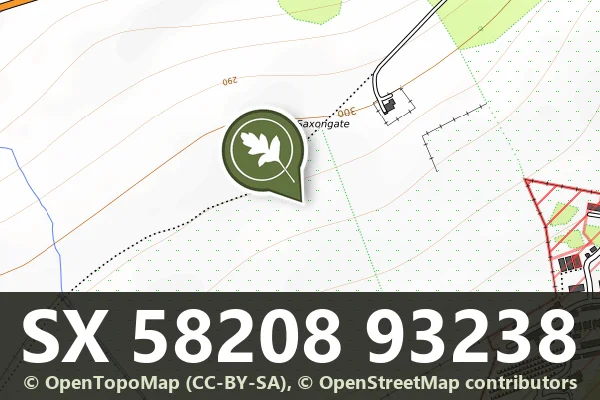
At least 101 hut circles in a line 1.4 km long on the west slopes of Longaford and Littaford Tors, with fields and enclosures, and a rabbit warren of at least 32 pillow mounds with a warreners' house.
Dartmoor's archaeology and heritage - antiquities, historic buildings and museums.
At least 101 hut circles in a line 1.4 km long on the west slopes of Longaford and Littaford Tors, with fields and enclosures, and a rabbit warren of at least 32 pillow mounds with a warreners' house.
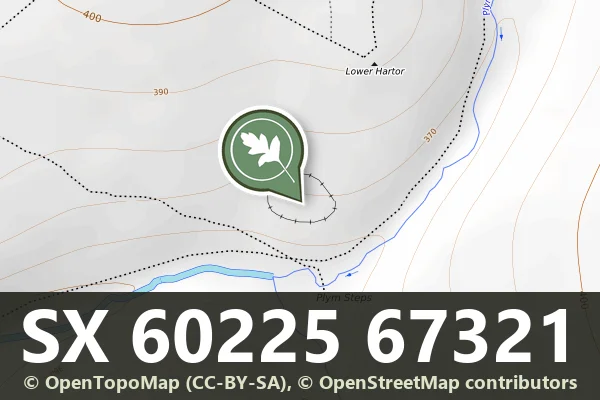
A sub-oval enclosure about 110 m by 84 m with a bank of large stones and three hut circles, 8 to 10 m across, on a south-west slope above the Plym.
A grade II* listed farmhouse with surviving garden walls, likely medieval or early modern in origin, standing on Dartmoor's slopes.
A Grade II* listed manor house with period terraces.
Two joined enclosures and a building on a ridge above the West Okement, in the Okehampton Park cleared by Hugh de Courtenay about 1300; the tithe map marks it 'hospital'.

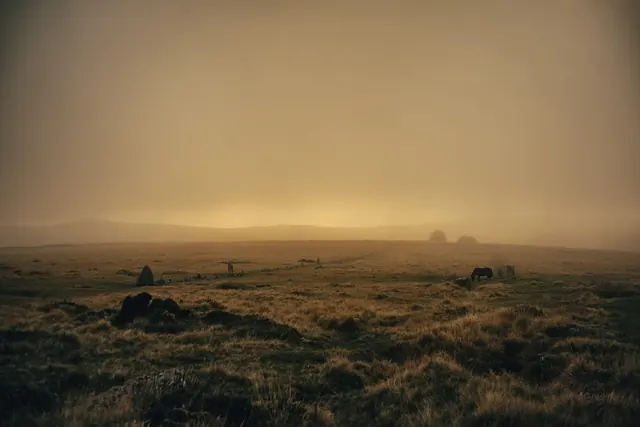
Which Dartmoor stone row is this?
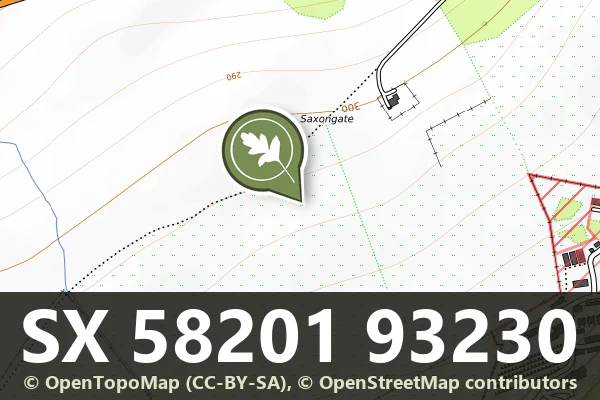
Bronze Age cairns and medieval farmstead within a reave system on Dartmoor.
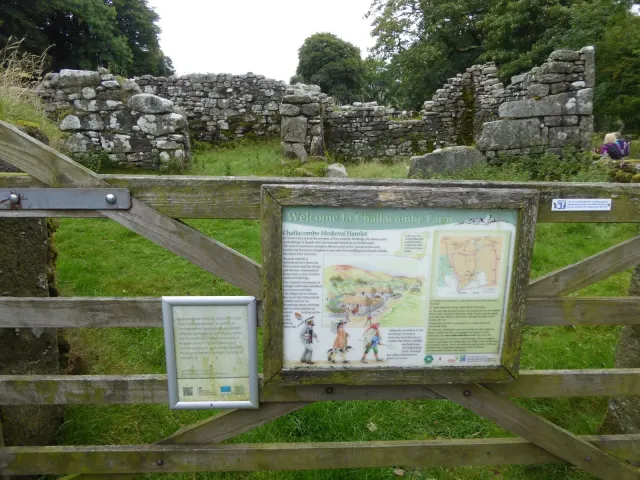
Scattered stone foundations and field systems reveal how medieval families carved settlements from Dartmoor's remote uplands.
Remains of a medieval rural settlement on the eastern slopes of Dartmoor, now visible as earthwork features across open moorland.
Challacombe, Chagford
Haunting stone foundations scattered across windswept moorland, where a medieval farming community once sheltered from Dartmoor's unforgiving climate.