Stone Rows & Alignments
Assycombe Double Stone Row
Scheduled monument showing layers of settlement from Bronze Age alignment through medieval to post-medieval farming.


A Dartmoor stone row is a line of small upright granite stones, laid out as a single, double or triple line, usually leading from a cairn or stone circle. About 76 rows are known (Butler's list), and Cut Hill (found 2004) and Tottiford (2009) take that to roughly 77. Most stones stand under a metre high, and many have fallen or sunk into the peat.
The longest is the Erme valley row from Stall Moor to Green Hill. Sources give 3.1 to 3.4 km. R. N. Worth counted 798 stones in 1892 and thought there had once been at least three times that many. At Merrivale the two double rows (west and east) are 182 m and 263 m long, each with more than 150 stones. Drizzlecombe has three rows, each ending in a tall stone; the tallest, about 14 ft (4.3 m), was re-erected in 1893 by Sabine Baring-Gould, R. Hansford Worth and others. Others to see are Cosdon (a triple row about 146 m long), Down Tor and Fernworthy.
The Rev. E. A. Bray measured Merrivale on 7 October 1802, and Samuel Rowe described rows in 1830. The first full survey was R. N. Worth's paper of 1892, which described 27 rows. By 1896 he had 46, as Baring-Gould, Robert Burnard and others found more. His son, R. Hansford Worth, carried the series on from 1903.
Nobody knows for certain what the rows were for. Worth thought them sepulchral, since nearly all start at a cairn or circle. Other suggestions are processional routes, territorial markers and sky alignments. Dating is no better: most are put in the late Neolithic or Bronze Age, but the Cut Hill row was carbon dated to about 3500 BC.
Scheduled monument showing layers of settlement from Bronze Age alignment through medieval to post-medieval farming.
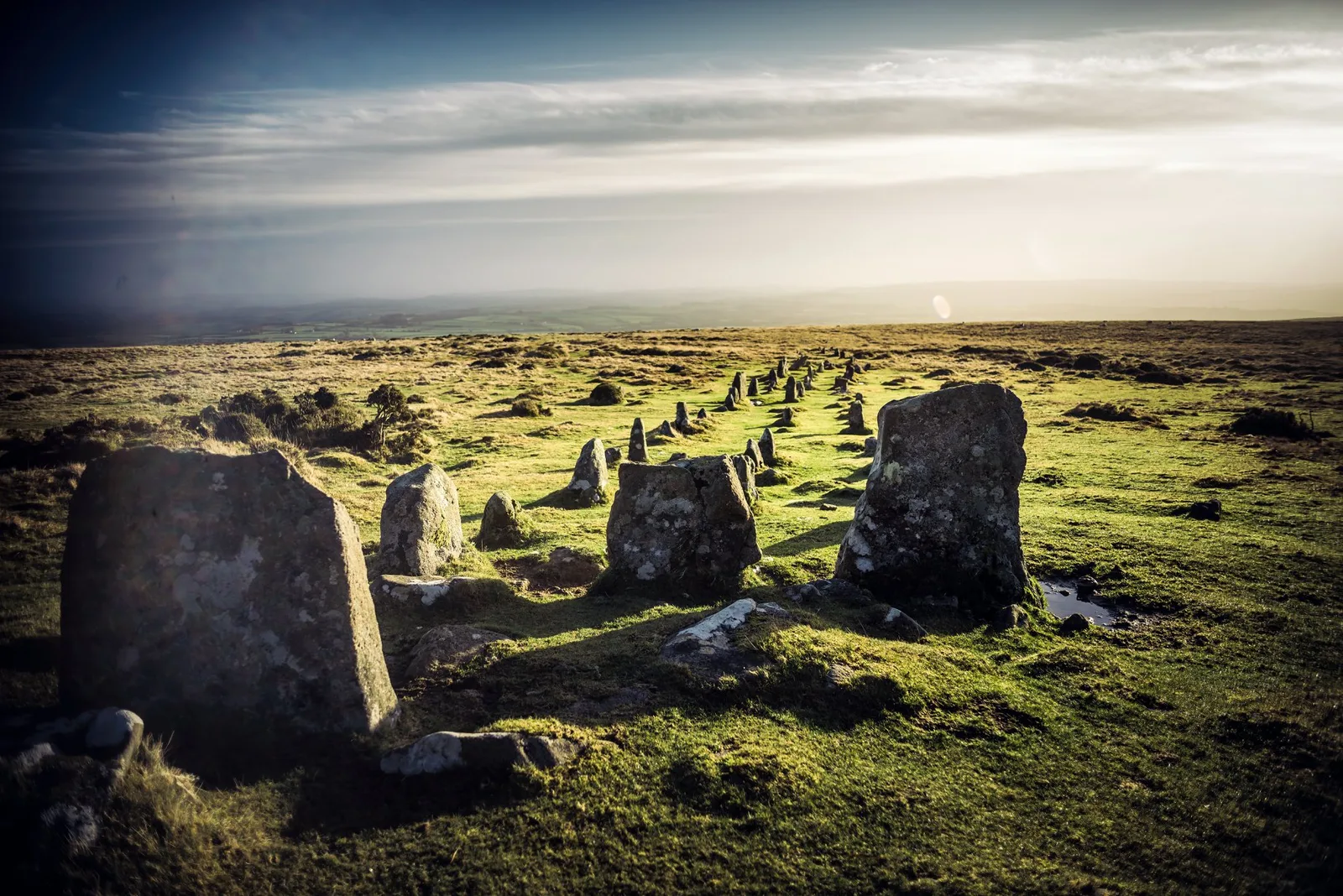
Bronze Age stone rows stretching across open moorland.

Bronze Age stone hut circle and enclosed settlement south of Deadlake Foot on Dartmoor.
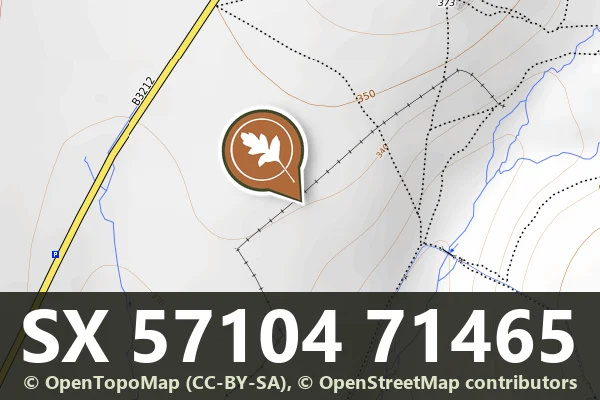
Bronze Age stone alignment and cairn group on the south-west slopes of Black Tor, marking ancient ritual or territorial significance.
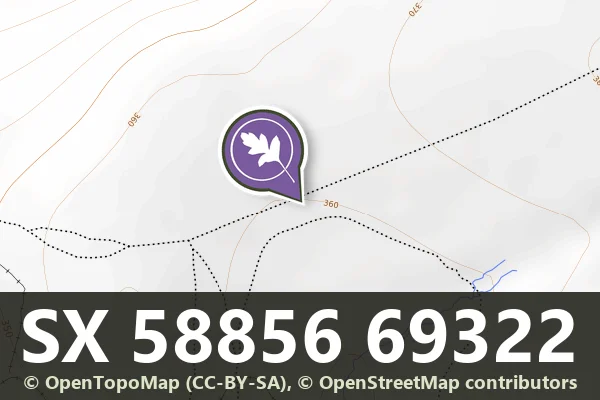
Bronze Age stone row stretching across open moorland, aligned with the rhythm of ancient ritual and celestial cycles.
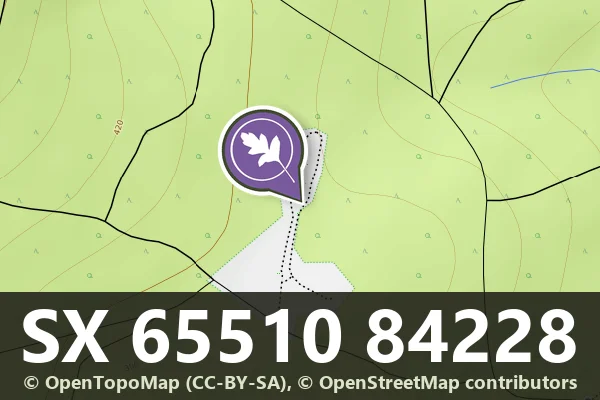
A Bronze Age stone row stretching across open moorland, its weathered granite sentinels still aligned as they were 4,000 years ago.

Bronze Age stone rows stretching across open moorland.

Bronze Age stone rows stretching across open moorland, their weathered granite markers still aligned after four thousand years.

Bronze Age stone rows stretching across open moorland, aligned with the distant tors of Dartmoor's granite landscape.