Leeden Tor east enclosed settlement
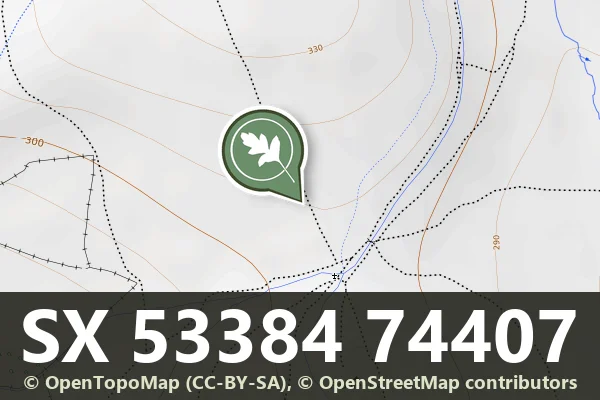
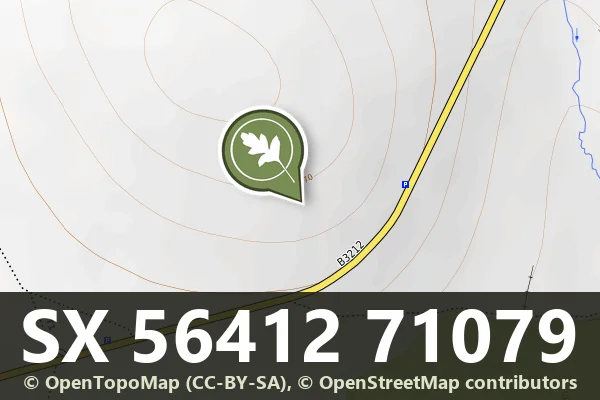
An enclosed settlement of four enclosures and 16 hut circles inside a main enclosure 150 m by 100 m, on a gentle east slope of Leeden Tor above the Meavy.
Hut circles, enclosures, pounds and reaves - where prehistoric Dartmoor lived and farmed.
An enclosed settlement of four enclosures and 16 hut circles inside a main enclosure 150 m by 100 m, on a gentle east slope of Leeden Tor above the Meavy.
“The only thing that brought us home on long summer evenings was the ring of a handbell by Mum standing at the field gate calling us in for supper.”
Who wrote this?
Thirty-one hut circles in an irregular field system with a length of the Walkhampton Common reave, an enclosure with two more huts, and a military shelter, on Leeden Tor's south-east slope.
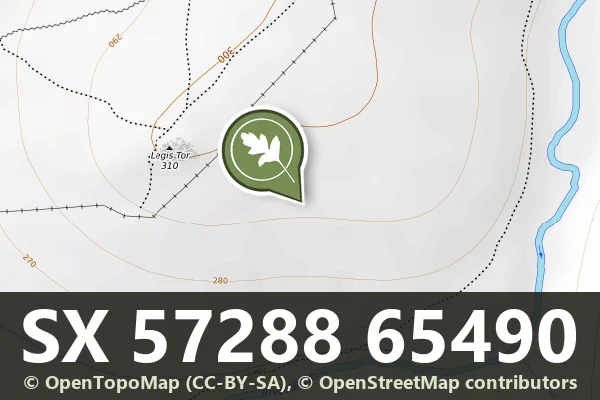
The Legis Tor settlement and warren: 58 hut circles in a series of enclosures, three kerbed cairns, and New Warren with about 45 pillow mounds and vermin traps, tinners' buildings and the Yeoland Consols leat.
A 290-metre stretch of Bronze Age reave forming part of an ancient field system on Whitchurch Common.
At least four incomplete enclosures with many hut circles on the west slope of Lints Tor, and a 7 m cairn 1.6 m high with a slab-roofed cache cut into its top.
At least 101 hut circles in a line 1.4 km long on the west slopes of Longaford and Littaford Tors, with fields and enclosures, and a rabbit warren of at least 32 pillow mounds with a warreners' house.
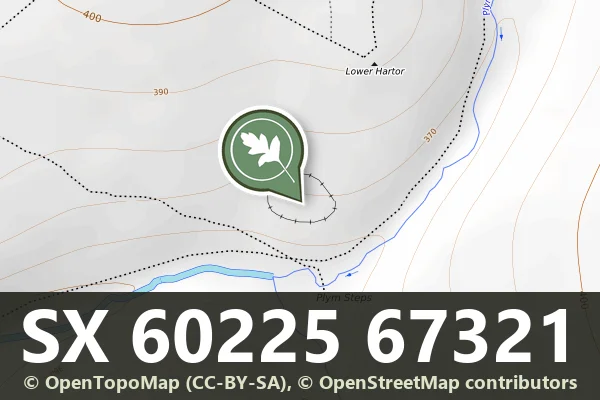
A sub-oval enclosure about 110 m by 84 m with a bank of large stones and three hut circles, 8 to 10 m across, on a south-west slope above the Plym.
Two joined enclosures and a building on a ridge above the West Okement, in the Okehampton Park cleared by Hugh de Courtenay about 1300; the tithe map marks it 'hospital'.
Scattered stone foundations and field systems reveal how medieval families carved settlements from Dartmoor's remote uplands.