Industrial Archaeology
Rattlebrook Mine (Disused)
Remnants of tin mining activity scattered across Dartmoor's open moorland.


Tin mines, blowing houses, tramways and quarries - the moor's industrial past.
Remnants of tin mining activity scattered across Dartmoor's open moorland.
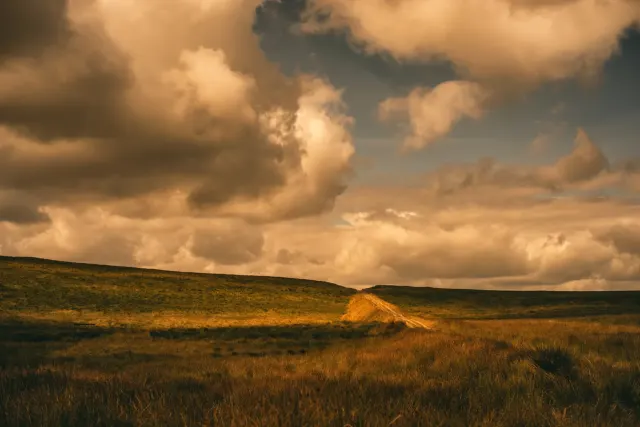
Ruins of a Victorian peat works above the Rattlebrook, served by a railway built in 1879 that hauled peat nearly 5 miles down to Bridestowe station.
“Us could tie up the knees so's the presents wouldn't drop out, couldn't us, Muther?”
Who wrote this?

Ringleshutes tinwork on Holne Ridge: a streamwork, prospecting pits, openworks, lode-back pits, shafts, adits, an engine house, a tramway, a dressing floor and a 26.5 m five-roomed building.
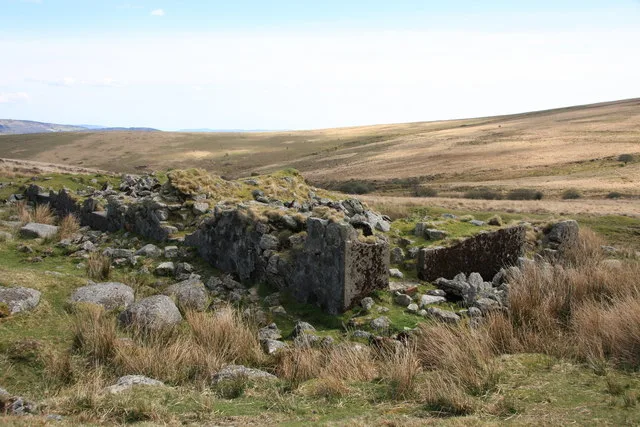
Scattered stone foundations and collapsed workings mark this tin mine deep on Dartmoor's open moorland.
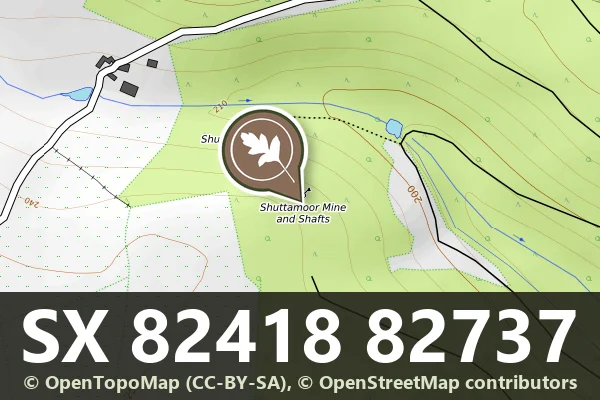
Abandoned tin mine shafts dotting the open moorland, remnants of Dartmoor's industrial heyday.
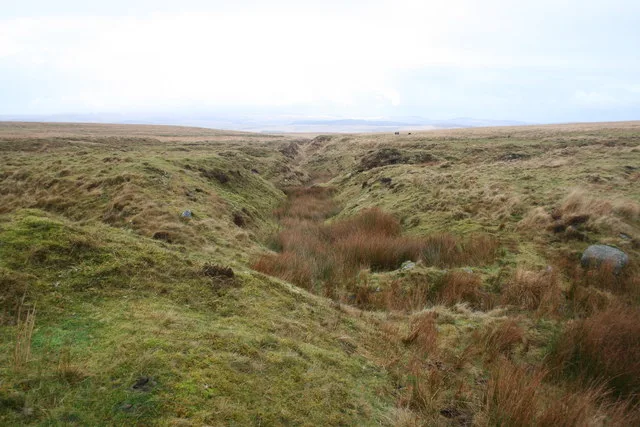
A steep granite gully scarred by centuries of tin streaming, where tinners carved their livelihood from Dartmoor's moorland.
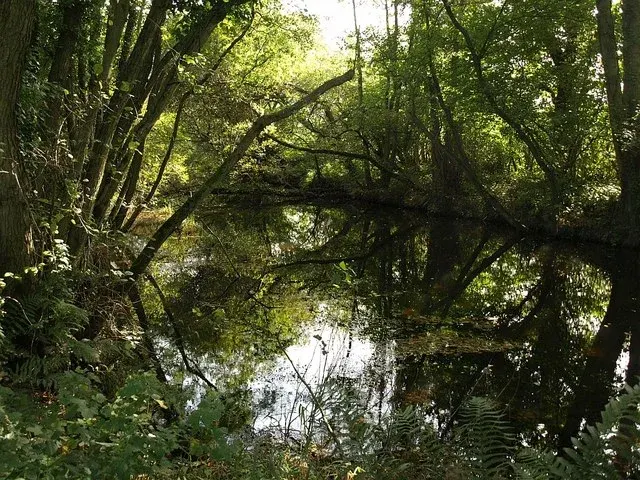
Teigngrace
A canal built by James Templer, linking the Haytor Granite Tramway to the tidal River Teign at Teignmouth. Granite quarried at Haytor and Holwell travelled this route, including stone for the new London Bridge completed in 1831.

The Taw River tin blowing mill: a drystone building 9.5 m by 4.7 m inside with furnace stones, wheelpit, leat, reservoir, tailrace and dressing floor, where tin slag has been found.
