

Industrial Archaeology
Tin mines, blowing houses, tramways and quarries - the moor's industrial past.
View on map

Industrial Archaeology
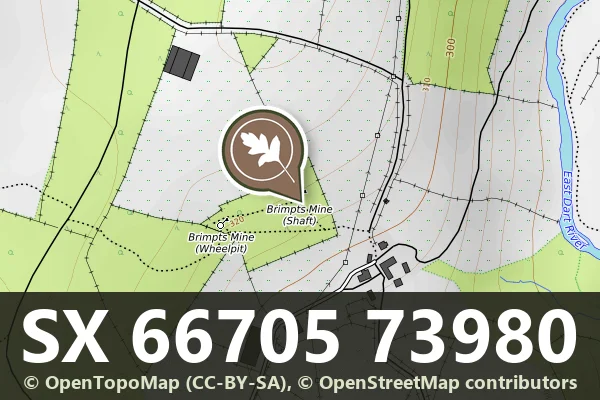
Brimpts Mine near Outer Huccaby Ring
Bronze Age settlements and tin mining remains on the high moor, with evidence of ancient field systems.
Industrial Archaeology
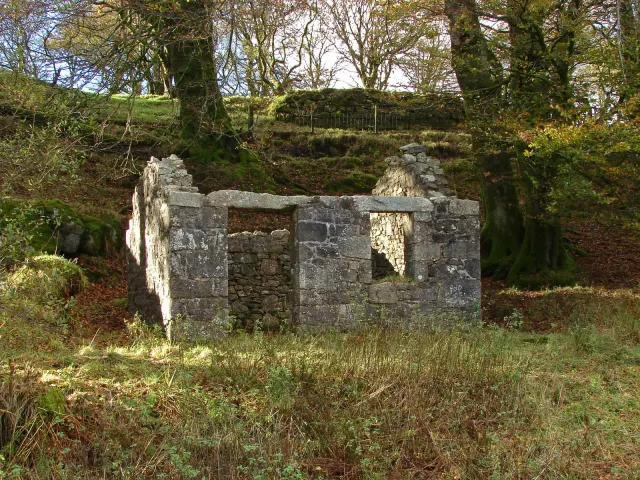
Cartridge and Press Rooms
Powder Mills
Industrial ruins nestled on Dartmoor where gunpowder was manufactured and pressed during the 19th century.
Industrial Archaeology
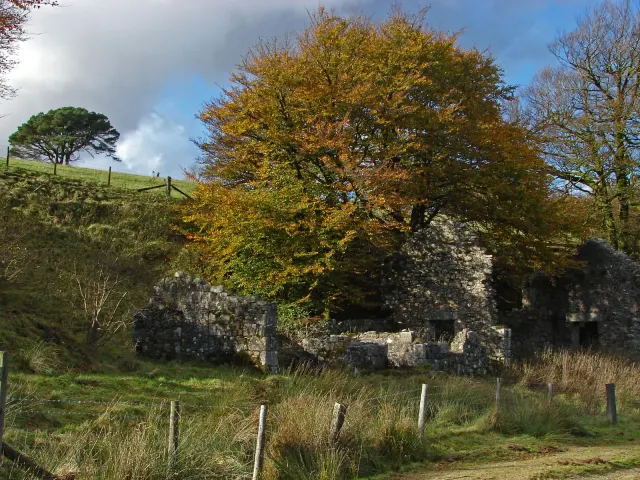
Charcoal / Saltpetre Works
Powder Mills
Weathered stone foundations where Dartmoor's trees once fed furnaces for wartime gunpowder production.
Industrial Archaeology
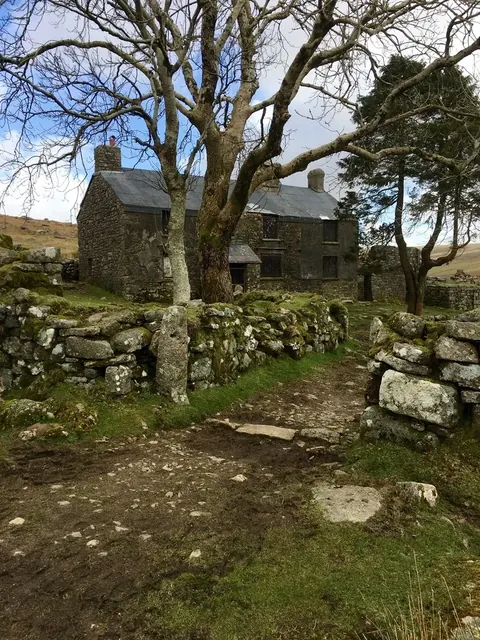
Ditsworthy Warren House
Sheepstor
The Grade II warren house of Dartmoor's largest rabbit warren, about 220 acres with over 50 pillow mounds, in the Plym valley.
Industrial Archaeology
Doetor Quarry
Lydford, Okehampton
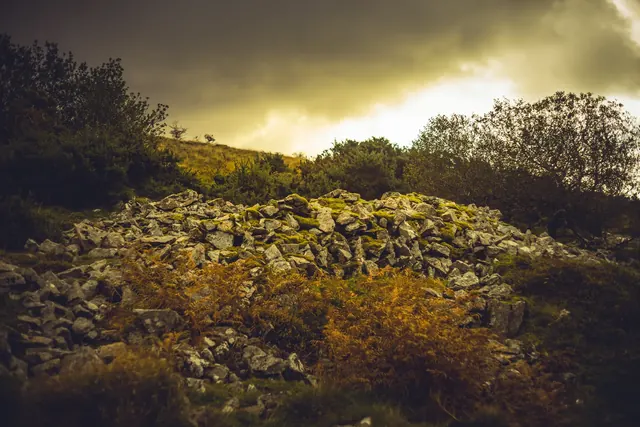
A small quarry marked on the 1900s Ordnance Survey map on Doetor Common, beside the track about 200 m north-north-east of Doe Tor Farm. No written record of it has been found, and a pile of loose granite in the rough ground nearby does not line up with its mapped position.
Industrial Archaeology
Druid Mine Engine House
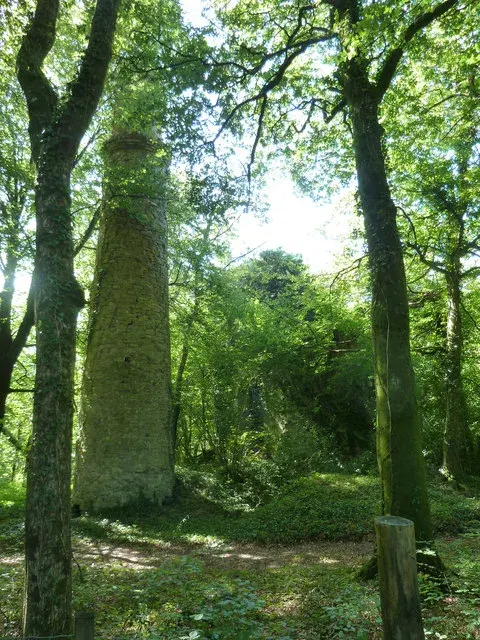
Ruined engine house from Dartmoor's tin-mining past, standing solitary on the open moor.
Industrial Archaeology
Eylesbarrow Tin Mine
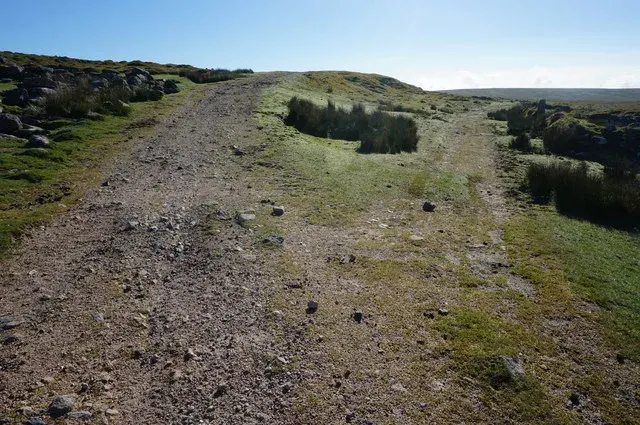
Abandoned tin mine workings on the high moor, where stone structures and shallow pools mark centuries of industrial heritage.

Industrial Archaeology
Foxhole Mine and Doetor Brook tinworks
Foxhole Mine (Wheal Frederick) in the upper Doetor Brook: stamping mill, count house with walls 2.9 m high, dressing floor, tramway and clapper bridge, in a long alluvial tin streamwork with openworks, adits and reservoirs.
Page 3 of 10
 Photograph by Glavind Strachan Photography
“I solemnly swear to you, sir," said he, "nothing will ever induce me to set foot on Dartmoor again. If I chance to see it from the Hoe, sir, I'll avert my eyes. How can people think to come here for pleasure — for pleasure, sir! But there, Chinamen eat birds'-nests. There are depraved appetites ...”
Also on Our DartmoorRing cairn south west of Hound Tor near East Lodge — A ring cairn 6.5 m across on a ridge south-west of Hound Tor, of at least 19 close-set granite stones round a central cist with both end stones and its west side slab still showing.
