
Haytor Granite Tramway (Disused)
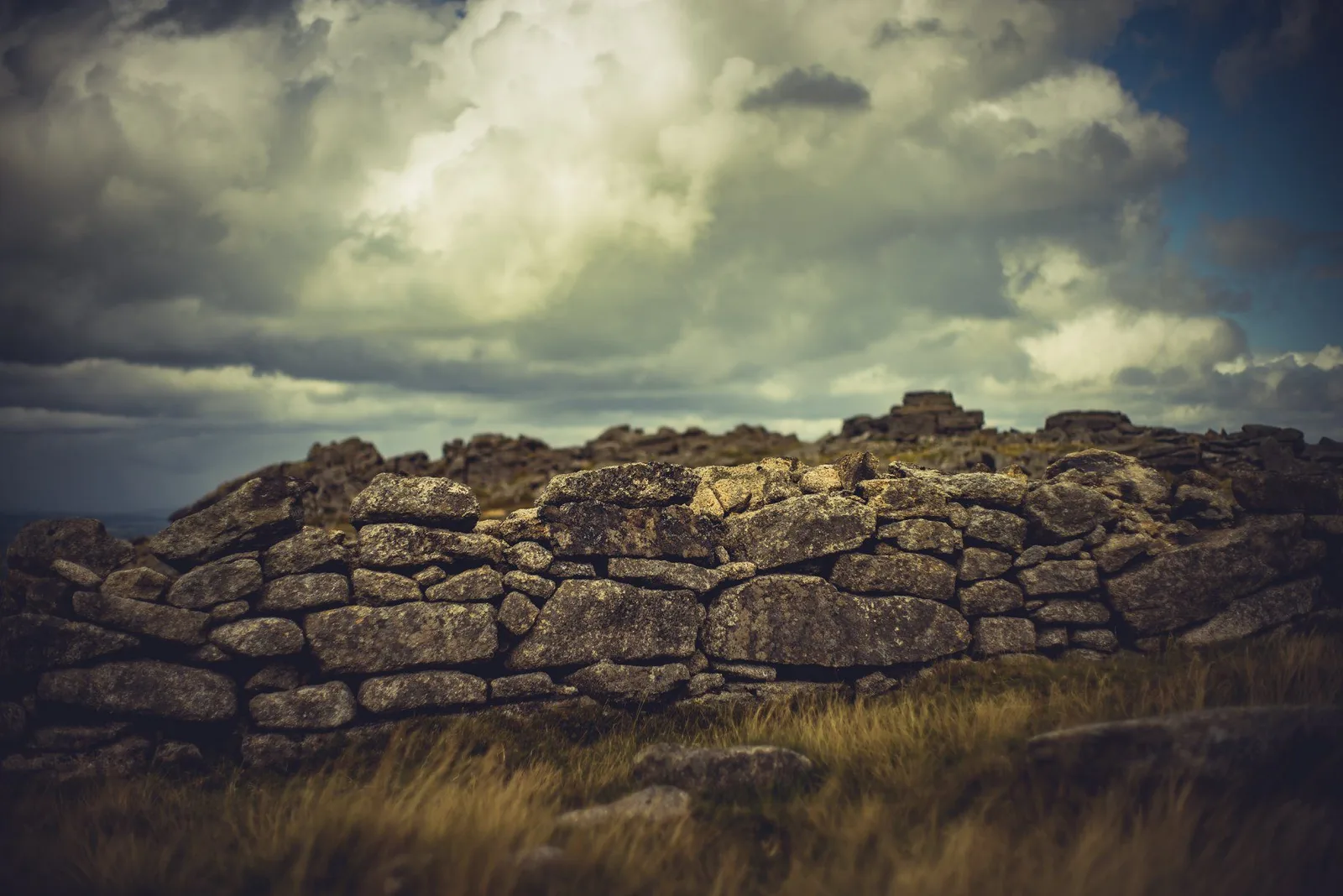
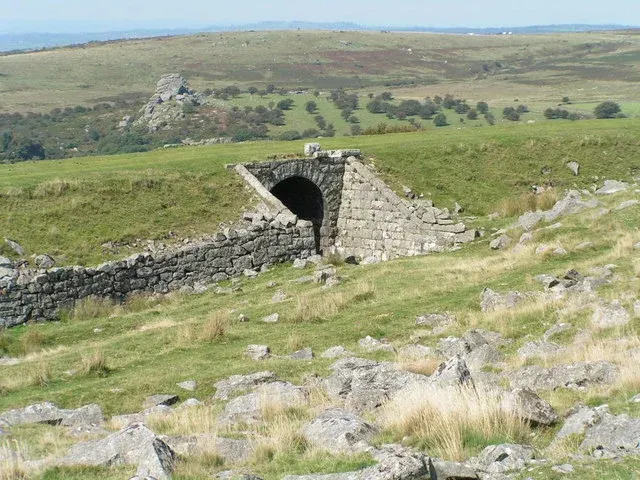
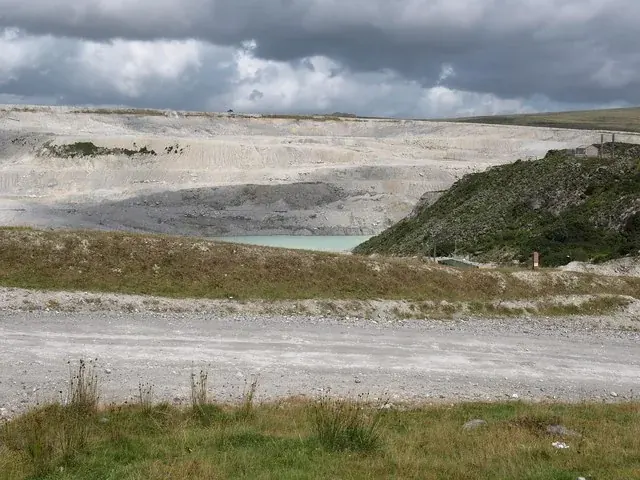
Remnants of a 19th-century granite tramway carved across high moorland, where stone once rolled downhill to feed Victorian industry.
Tin mines, blowing houses, tramways and quarries - the moor's industrial past.
Remnants of a 19th-century granite tramway carved across high moorland, where stone once rolled downhill to feed Victorian industry.
Remnants of tin mining on the open moor, where Victorian enterprise left stone foundations and spoil heaps across the granite landscape.
East Ogwell, Newton Abbot
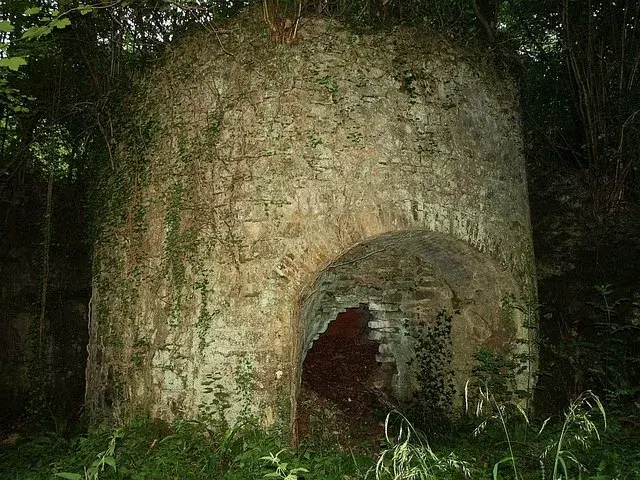
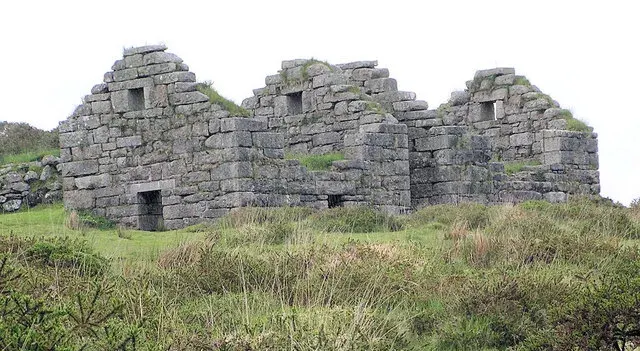
Weathered stone kilns where limestone was burned to create quicklime, leaving industrial traces across the open moor.
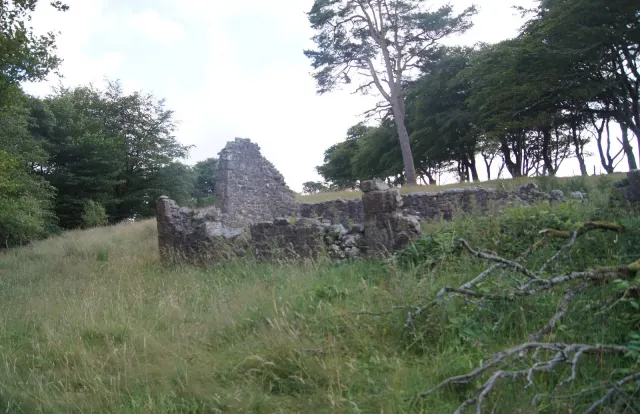
Scheduled Monument on Hamel Down's western slopes with layers of medieval, tin-working and prehistoric settlement remains.
Remnants of tin and copper extraction scattered across the moorland, revealing how miners shaped Dartmoor's landscape centuries ago.
Remnants of tin and copper extraction scarring the high moor, where Victorian enterprise left its mark on the granite landscape.
Abandoned tin and copper workings nestled in Dartmoor's upland landscape, where Victorian enterprise left its mark on the granite.
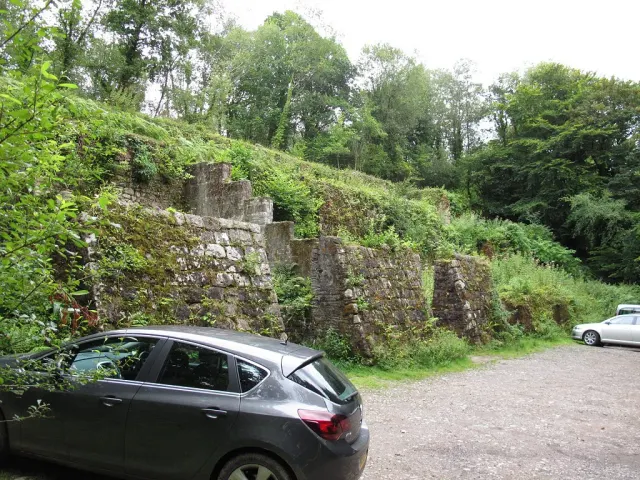
Industrial ruins tucked into a wooded valley, where gunpowder was once manufactured for Britain's wars.
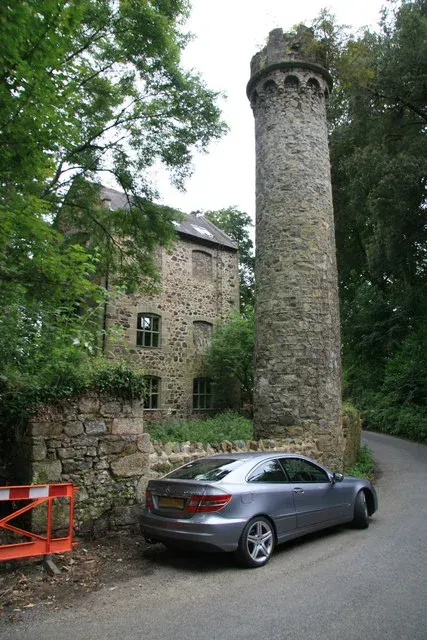
Crumbling stone ruins of 19th-century gunpowder mills hidden in a steep wooded valley on Dartmoor's industrial edge.