The Longstone, Shovel Down
Teigncombe, Chagford
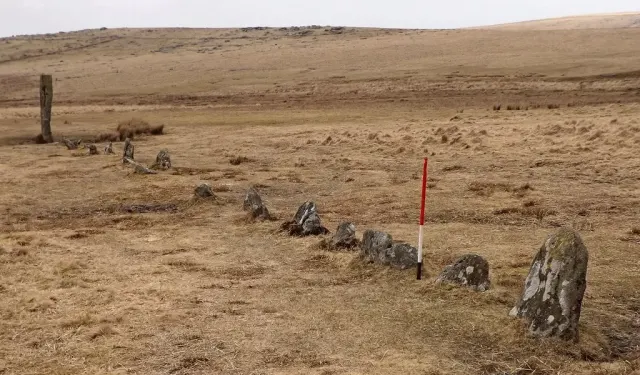
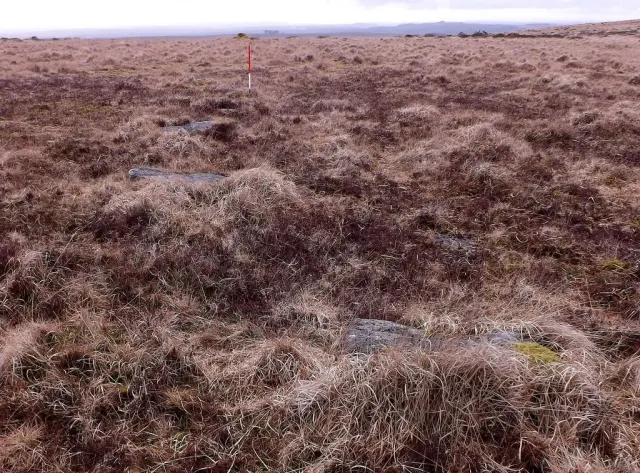
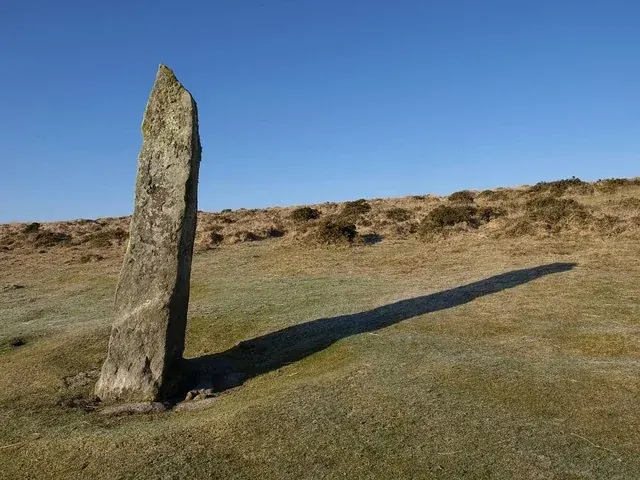
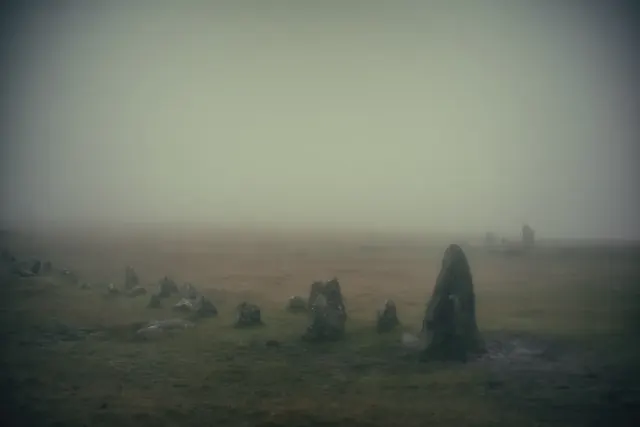
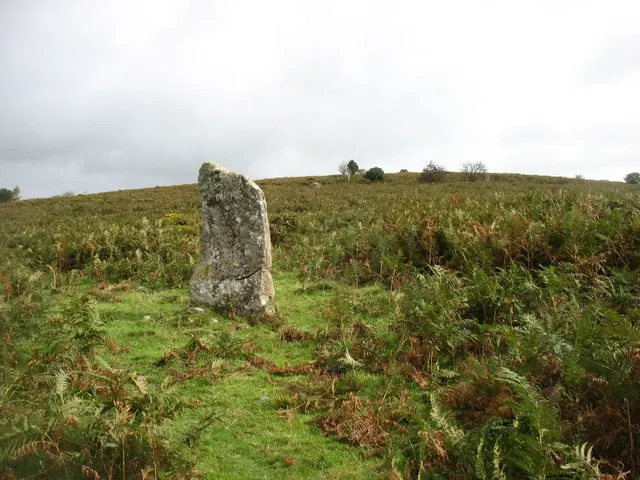
A 3 m granite menhir on Shovel Down at the end of two stone rows and the meeting point of the Chagford, Gidleigh and Lydford parish bounds.
Showing listings tagged “Standing Stones” Show all listings
Teigncombe, Chagford
A 3 m granite menhir on Shovel Down at the end of two stone rows and the meeting point of the Chagford, Gidleigh and Lydford parish bounds.
Dartmoor Forest, Tavistock
The stone rows, stone circle, standing stone, cairns and hut circles around Merrivale Bridge: Dartmoor's best-known group of Late Neolithic and Bronze Age ritual and settlement remains.
A Dartmoor fact about Brentor Church (St Michael de Rupe)
Moretonhampstead
Butterdon Hill, 351 m, in north-east Dartmoor north of Moretonhampstead: a 2.3 m granite standing stone on its west side and cairns on the summit.
An area of moorland near Teigncombe and Batworthy covered in megaliths, including stone rows, the Fourfold Circle and standing stones.
The highest point of southern Dartmoor, a broad hill with two standing stones, a low cairn and a triangulation pillar on its summit.
An outlying group beside Bellever Forest: a kerbed cairn 7.7 m across with a robbed cist 1.4 m long, a smaller cairn, and a 0.95 m standing stone 6.6 m away, cist dug before 1901.
Widecombe-in-the-Moor
Dartmoor poetry and collaborative art celebrating the landscape through verse and photography.
Nattor, Ivybridge
A Bronze Age burial row of standing stones emerging from the open moorland, weathered by millennia of Dartmoor wind and rain.
Bronze Age standing stones arranged in a line across the open Dartmoor moorland.
Plate from A Hundred Years on Dartmoor, page 45, 1901“Let it not be supposed that in winter Dartmoor is a desolation and a horror.”
Also on Our DartmoorRushford Tower — A striking stone tower standing sentinel on the open moor, offering glimpses into Dartmoor's industrial and defensive past.