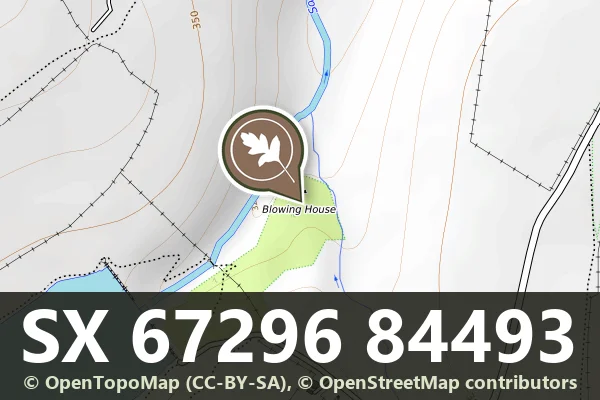
Blackaton Ball tin mill
A largely buried tin mill with a rectangular building, wheel pit, leat and dressing floor near the source of the West Webburn, recorded before 1556.
Dartmoor's archaeology and heritage - antiquities, historic buildings and museums.
A largely buried tin mill with a rectangular building, wheel pit, leat and dressing floor near the source of the West Webburn, recorded before 1556.
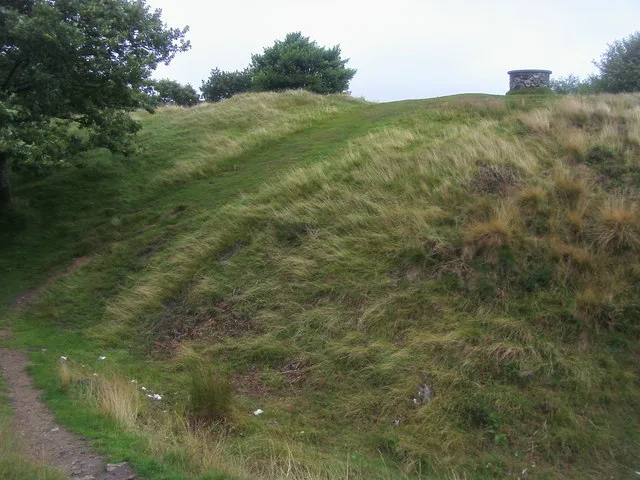
A restored wayside cross also called Roman's Cross, 1.79 m high on a circular socket stone, beside the old road between Lee Moor House and Cadover Bridge; the shaft was probably a window sill.
A stone ruin on Dartmoor, this long abandoned house stands as a haunting reminder of industrial life on the moor.
Ruined tin smelting works tucked into Dartmoor's moorland, where 18th-century industry shaped the landscape.
Remains of a tin-streaming mill and blowing house on the edge of Dartmoor.
A small drystone tin mill, 5.5 m by 3.8 m inside, terraced into the north bank of Dry Lake near the Erme.
A small drystone tin mill, 6.3 m by 3.8 m inside, just north of where Hook Lake joins the Erme, probably a blowing mill.
A blowing mill, 8.8 m by 3.1 m inside, on the west bank of the Yealm at the foot of Penn Moor, with its furnace recess and two mould stones.
Photograph by Glavind Strachan Photography“The wind was blowing the rain in our faces, but we stepped out endeavouring to treat it as a light matter, though it certainly required some amount of self deception to do it, for we were having a taste of real Dartmoor weather.”
Also on Our DartmoorKennon Hill boundary stone with a cross — A tall granite boundary stone on Kennon Hill with a cross cut on one face and a G on another, marking the Gidleigh and Throwleigh parish boundary.