Skip to content

Our Dartmoor Directory

Share

Showing listings tagged “Granite” Show all listings

15 listings for Granite ✕ Clear filters
Industrial Archaeology

Plymouth and Dartmoor Railway

Princetown

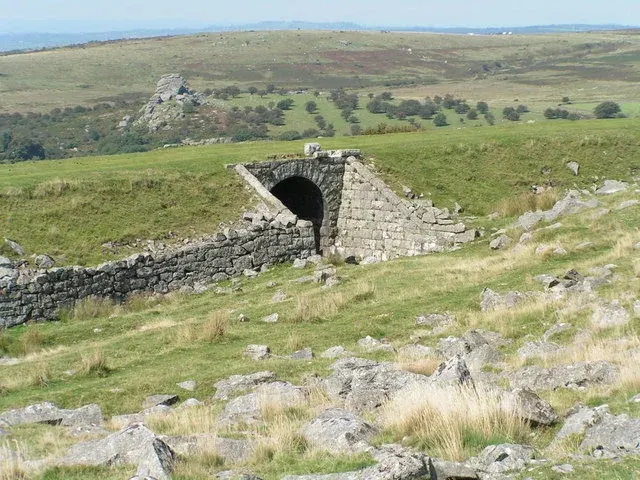
A horse-drawn granite tramway opened in 1823, running about 25 miles from the Foggintor and King's Tor quarries to a wharf near Plymouth. Its upper section was later reused by the steam-worked Princetown Railway from 1883.

Dartmoor quiz
“Even the half-wild cattle which range the other parts of the moor at pleasure, seem to shun the swampy steppes of the central wilderness.”

Which book is this from?

Hound Tor
Tors & Landmarks

Hound Tor

Manaton, Newton Abbot

A substantial tor of vast granite stacks above Hound Tor Down near Manaton, one of the most visited on the moor, with a car park close by.

Haytor Granite Tramway
Industrial Archaeology

Haytor Granite Tramway

Haytor Vale

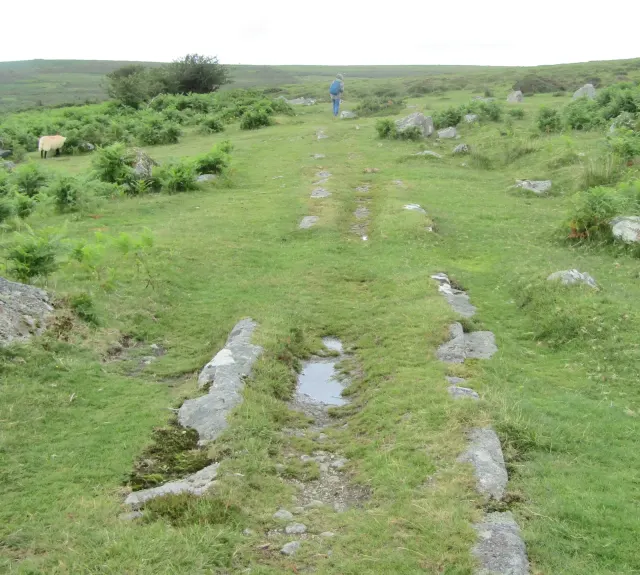
A tramway built by George Templer in 1820 to carry granite from the Haytor Quarries down to the Stover Canal at Ventiford, a fall of about 1,300 feet over roughly ten miles. Unusually, its rails were grooved granite setts rather than iron, cut and laid directly into the moor.

Gutter Tor
Tors & Landmarks

Gutter Tor

Sheepstor, Yelverton

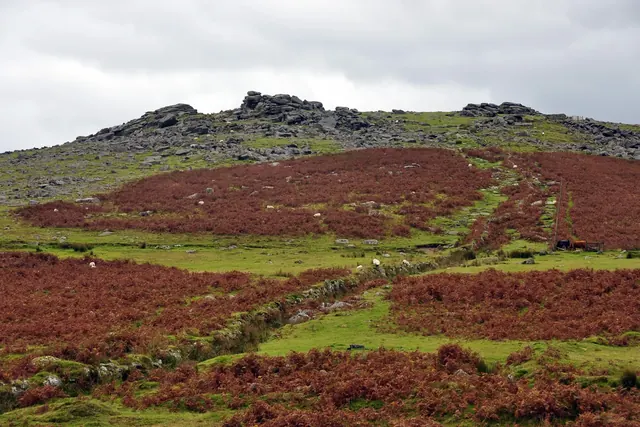
A granite tor of three main outcrops above Ditsworthy Warren in the Plym valley, beside the Scout hut car park, with a large rock basin on top and an Ordnance Survey trig pillar further up the hill.

Page 2 of 2
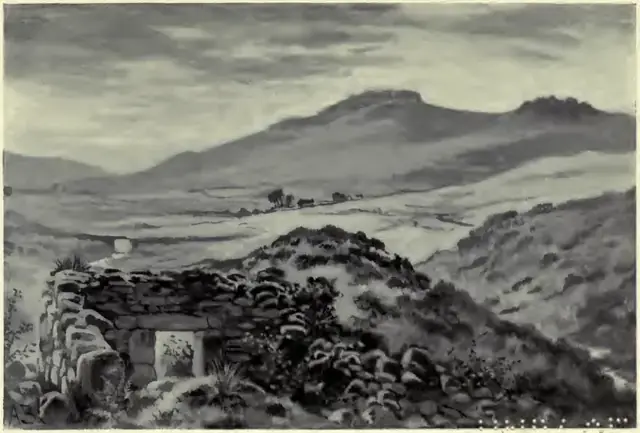
A Book of Dartmoor, page 345Plate from A Book of Dartmoor, page 345, 1900

“Being in nature relaxes my body and mind. Daily stresses melt away and my senses come alive as I feel the warmth of the sun on my face and wind in my hair, the springy moss grasses under my feet, and hear the song of the skylark high above me.”

Also on Our DartmoorHut circle west of High-house Waste — A hut circle 9 m across inside with a wall 1 m thick and 0.6 m high and a probable south-east entrance, west of High-house Waste.