
Tors & Landmarks
Kingsett Down
A distinctive down with a rugged granite character, situated near the western edge of Dartmoor.


Showing listings tagged “Geology and granite” Show all listings
A distinctive down with a rugged granite character, situated near the western edge of Dartmoor.

A granite ridge with a peat pass running across its top, part of Dartmoor’s longest peat pass.

A granite hill with a distinctive shape, located near other notable Dartmoor features.
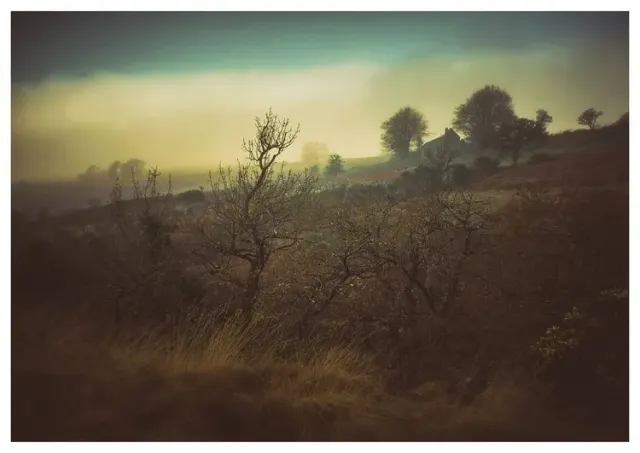
A distinctive hill with a prominent outcrop, located near the edge of the moor.

A tor cairn on the summit of High Willhays, southern England's highest point: two curved banks against the east face of a rock outcrop, enclosing 13.5 m by 5.5 m.

Two Bronze Age cairns on the open moorland at Ausewell Rocks, marking an ancient burial or ceremonial site.

Prehistoric settlement traces on Smallacombe Rocks, a scheduled monument on the high moor.

Prehistoric settlement remains on the high moor southeast of Two Bridges, marked by scattered stone structures and earthworks.
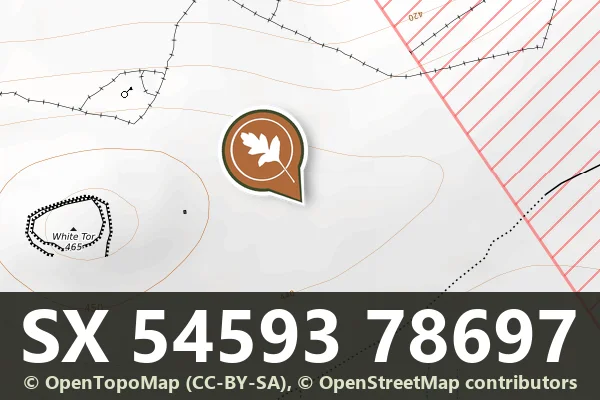
Bronze Age round cairn on the eastern slope of White Tor, a scheduled monument on high Dartmoor.
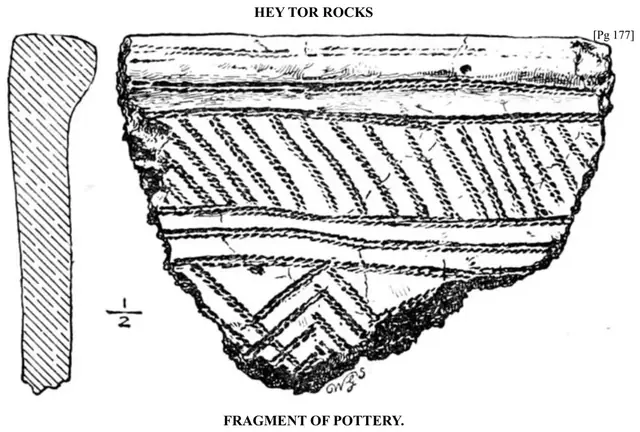 Plate from A Book of Dartmoor, page 103, 1900
“I solemnly swear to you, sir," said he, "nothing will ever induce me to set foot on Dartmoor again. If I chance to see it from the Hoe, sir, I'll avert my eyes. How can people think to come here for pleasure — for pleasure, sir! But there, Chinamen eat birds'-nests. There are depraved appetites ...”
Also on Our DartmoorCairn east of Ringmoor Cottage — A cairn 12 m across and 0.5 m high with a kerb 6 m across inside the mound, best preserved on the south side, on the brow of Ringmoor Down near the Eylesbarrow reave.
