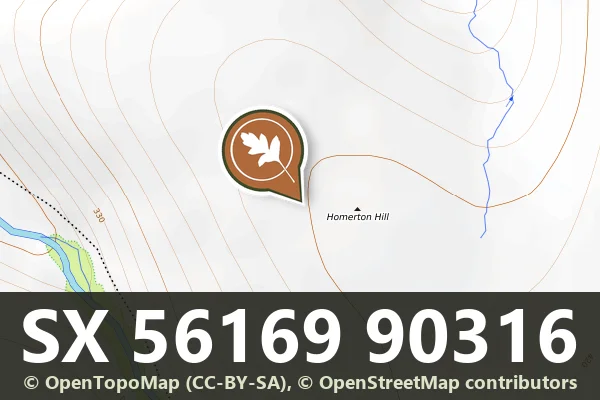
Seven cairns on Homerton Hill
Seven cairns, 3 to 5.7 m across and 0.8 to 1.1 m high, part of a cairnfield on the west slope of Homerton Hill above the West Okement.
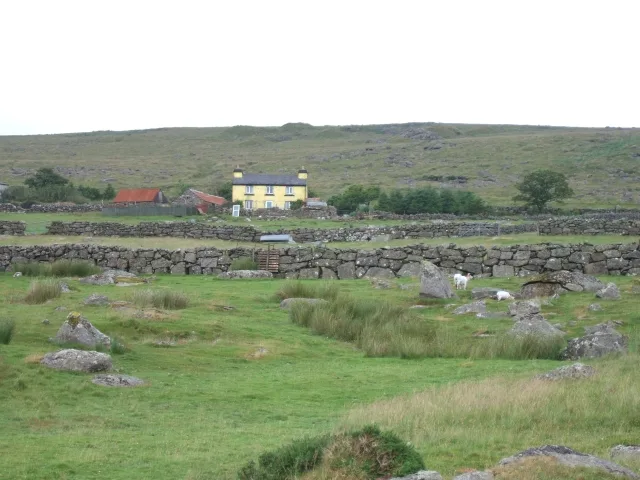
Dartmoor's archaeology and heritage - antiquities, historic buildings and museums.
Seven cairns, 3 to 5.7 m across and 0.8 to 1.1 m high, part of a cairnfield on the west slope of Homerton Hill above the West Okement.
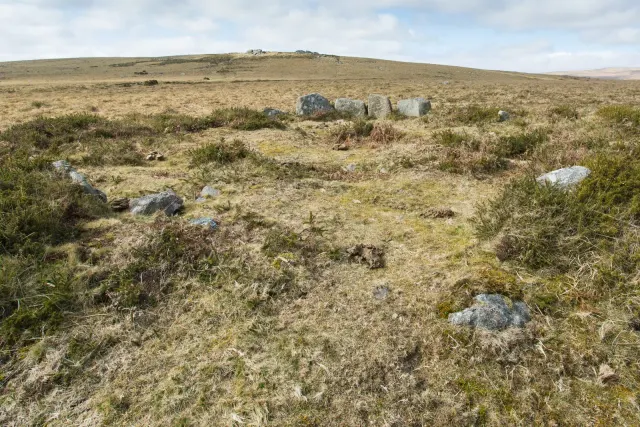
At least seven hut circles, 2.4 to 6.8 m across, two with courtyards, on a west slope above the Walkham, west of Yellowmeade Farm.
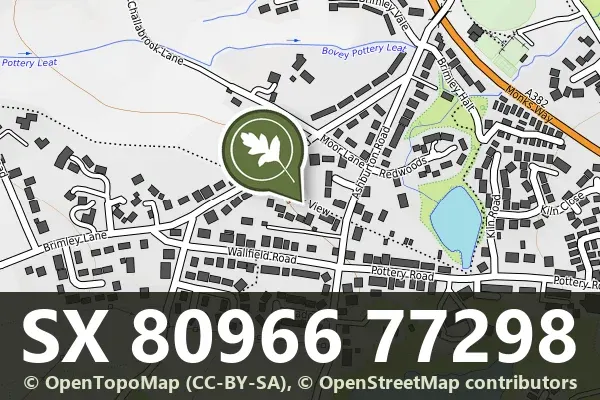
Venton, Ashburton
Bronze Age settlement remains scattered across open moorland, where ancient stone foundations hint at lives lived on Dartmoor's high ground.
At least three coaxial fields of the Shapley Common field system on the north slope of Shapley Tor, with four parallel reaves running to a terminal reave.
At least five hut circles, 5.3 to 7.7 m across, and four rectangular fields of the Shapley Common field system on a north slope above Green Combe, the fields laid out to avoid the huts.
What year is the original motte-and-bailey structure of Lydford Castle thought to have been built?
Brimley, Bovey Tracey
Remnants of a 19th-century granite tramway cutting across Dartmoor's high moorland.
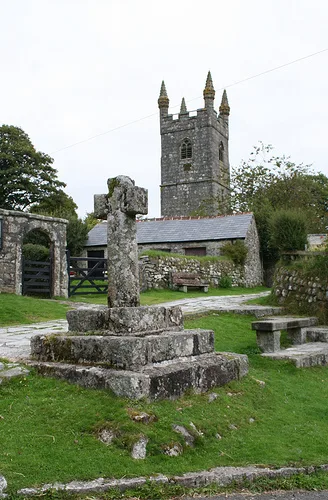
A medieval cross 1.7 m high, repaired with iron clamps, set in a hedge at the road junction 150 m east of Shaugh Prior church.
A rabbit warren on Sheeps Tor: at least eleven pillow mounds, three vermin traps (two forming X-shaped traps) and a walled warreners' house, in eleven areas, perhaps of early origin.
A weathered granite cross standing alone on the open moor, marking centuries of Dartmoor's history and serving travellers across the high plateau.
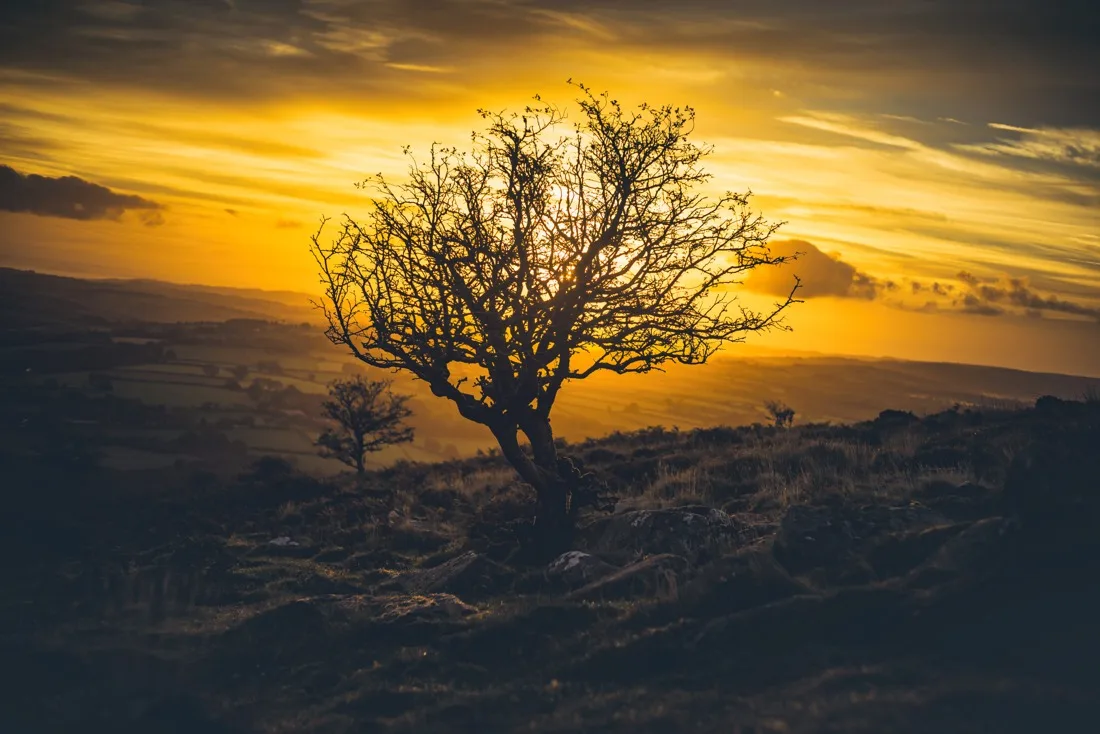
Photograph by Glavind Strachan Photography“You notice, Miss Beatrice, next time us gets a brave storm of wind and rain how they all does. Bullocks always stand side to 'en." ... "You notice a horse," he continued. "He'll face it — always. Runs into it. Sheep now, they'm just the contrary, they turn tail and run before it. But a hare be the ...”
Also on Our DartmoorThe Rivers of Devon from Source to Sea — Page's 1893 tour of Devon's rivers from their sources - many rising on Dartmoor itself - down to the sea, with the towns and villages along their banks.