
Stone Circles
Sherberton stone circle
An incomplete stone circle 29.6 m across on a ridge between the West Dart and Swincombe valleys, with nine stones standing.


Dartmoor's archaeology and heritage - antiquities, historic buildings and museums.
An incomplete stone circle 29.6 m across on a ridge between the West Dart and Swincombe valleys, with nine stones standing.
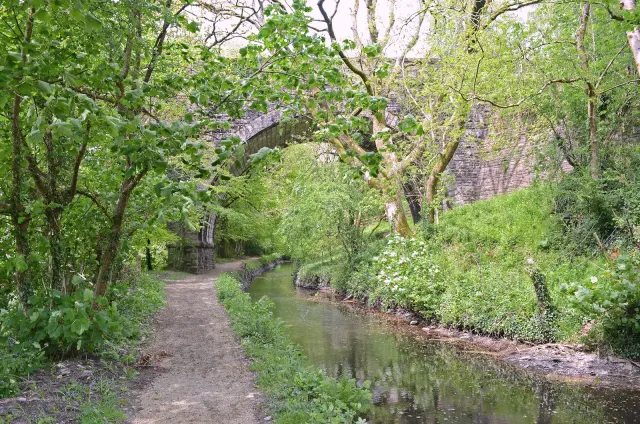
Walreddon, Tavistock
A striking stone viaduct spanning a moorland valley, built to carry the railway across Dartmoor's rugged terrain.

A coffin-shaped cross without arms, 1.7 m high, with a relief cross on one face and an incised cross on the other, moved in 1873 and re-set in 1900; possibly a Christianised standing stone.
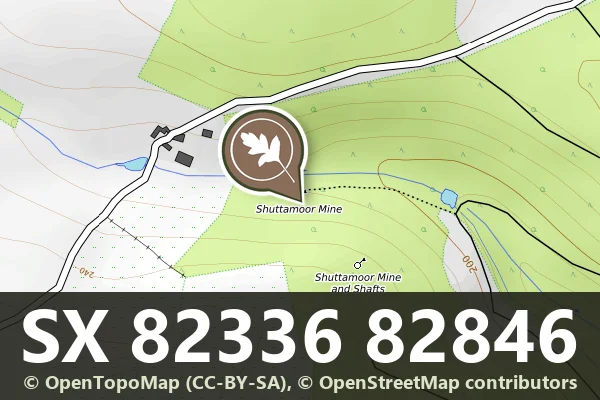
Scattered stone foundations and collapsed workings mark this tin mine deep on Dartmoor's open moorland.
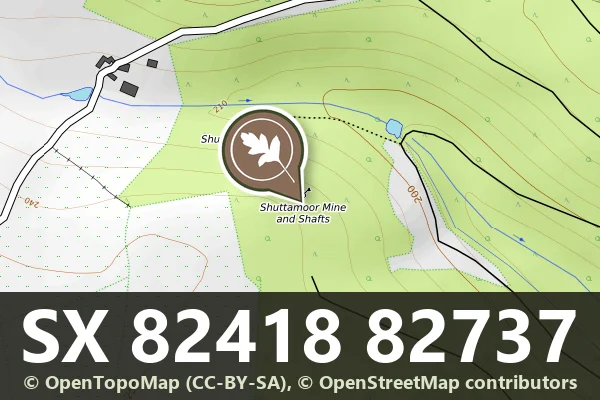
Abandoned tin mine shafts dotting the open moorland, remnants of Dartmoor's industrial heyday.
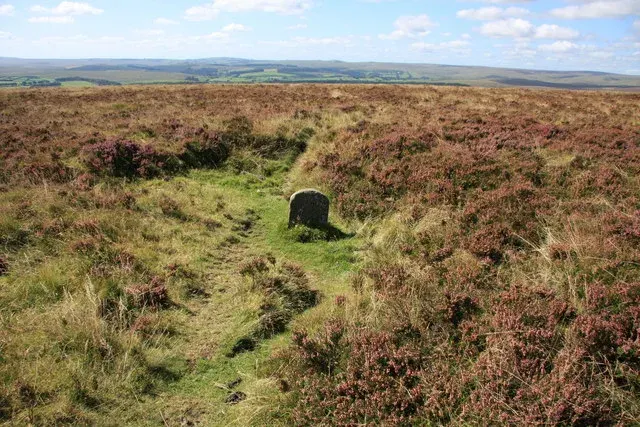
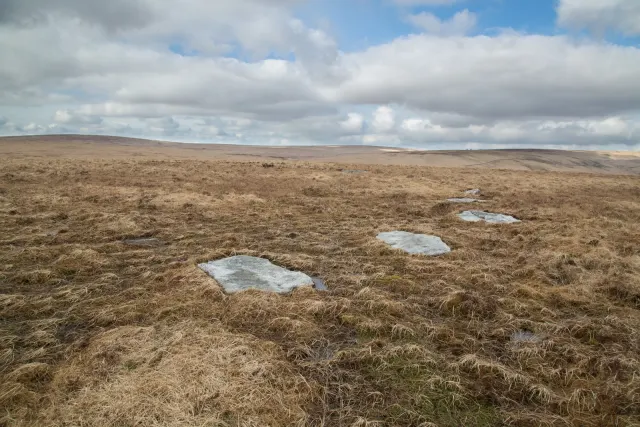
Stone circle about 300 metres south-west of Sittaford Tor, found by Alan Endacott in 2007 and dated by radiocarbon to the end of the third millennium BC.
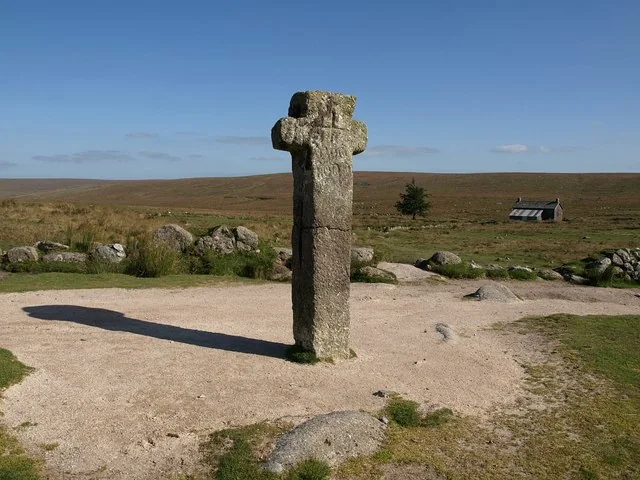
Dartmoor's largest wayside cross, 2.07 m tall, called Siward's Cross in the 1240 bounds and Nun's Cross by 1699, at a meeting of old moorland tracks.

Six large hut circles, 23 to 88 square metres inside, arranged in an oval round a central space on a west slope above the Walkham, south-west of Routrundle.
 Photograph by Glavind Strachan Photography
“The Gubbings land is a Scythia within England, and they be pure heathens therein... Their wealth consists in other men's goods, and they live by stealing the sheep on the More...”
Also on Our DartmoorGiants Basin — An enigmatic Bronze Age basin carved into the moorland granite, its purpose still debated among archaeologists.
