Crosses
Addiscott Cross
East Week, Chagford
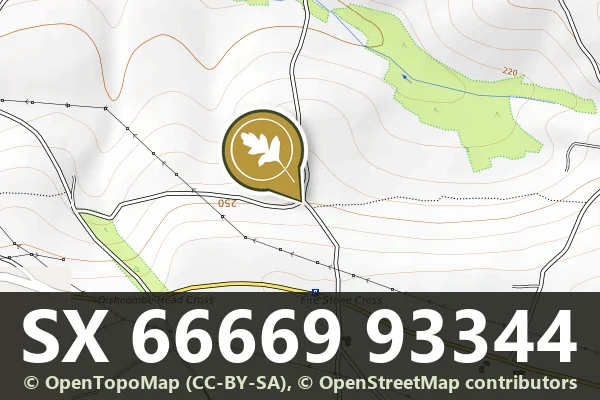
A granite wayside cross standing on the open moor, likely medieval in origin, marking an ancient route across Dartmoor.


Dartmoor has more stone crosses than most people expect. Harrison counted 132 within the National Park boundary, and Wikipedia's article on the subject repeats that figure. They were put up over a long stretch of time, the earliest probably almost 1,000 years ago and some as recently as 100 years ago. The moor has no tidy count: the Dartmoor Crosses site started out in 2000 aiming to document 150, posted its 200th page in May 2021, and says new discoveries are still occasionally made.
They were not all put up for the same reason. William Crossing, in his 1902 book, wrote that on the open moor crosses were set up either to mark a boundary or as guides to the wayfarer, while market crosses and churchyard crosses belong to the villages around it. Often it is both, and sometimes nobody can say which came first. Crossing could not decide whether Bennett's Cross was meant to mark a boundary or the path, and thought it probably did both.
A few of the best known, each with its own listing:
Many listings below carry Historic England list entry numbers, so some are named by distance from a landmark rather than by a local name.
East Week, Chagford
A granite wayside cross standing on the open moor, likely medieval in origin, marking an ancient route across Dartmoor.

Shaugh Prior, Plympton
A simple wayside cross marking an old route across the moorland south of Shaugh Prior.

A granite wayside cross standing on the open moor north of Warren House Inn, likely medieval in origin.

A medieval wayside cross standing north of Lee Moor, marking an ancient route across Dartmoor.
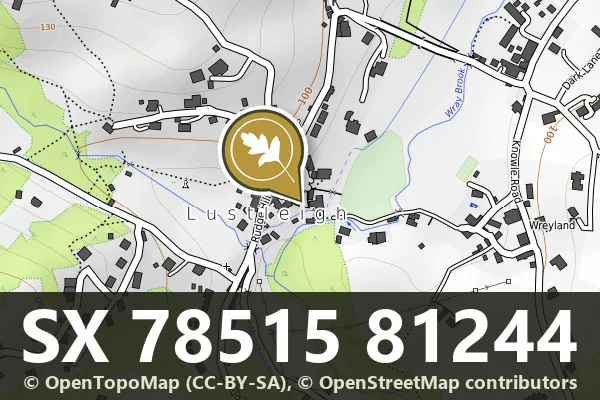
A stone cross standing alone on the open moor, marking centuries of Dartmoor's spiritual and human history.

Lustleigh, Moretonhampstead
A wayside cross standing near South Harton Farm, marking an ancient route across the moor.
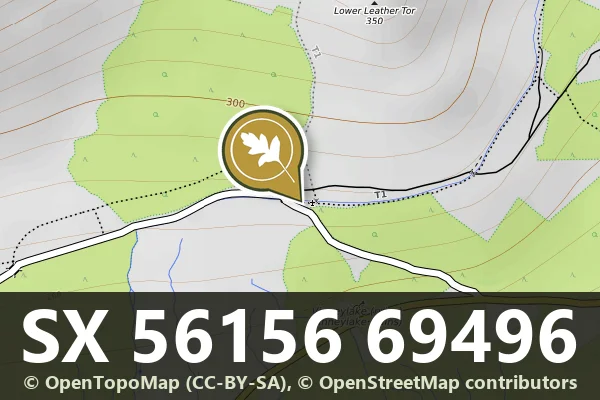
A stone cross standing sentinel on the open moor, marking an ancient route across Dartmoor's high plateau.
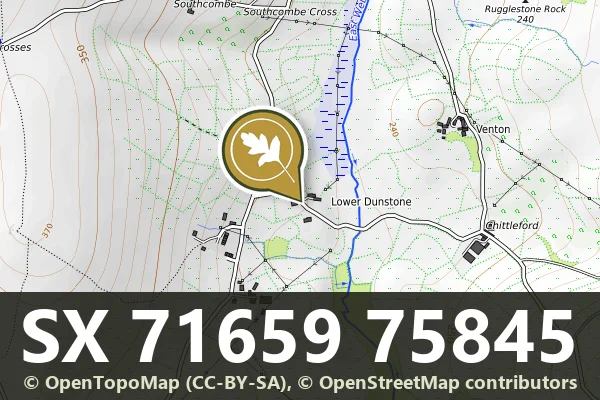
Lower Dunstone, Ashburton
A modest medieval wayside cross standing on the open moor, marking an old route across Dartmoor.

A wayside stone cross on the open moor, likely medieval in origin, marking a route across Dartmoor's high ground.