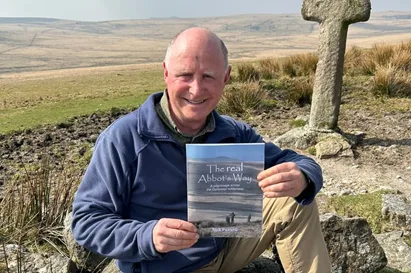
The Real Abbot's Way
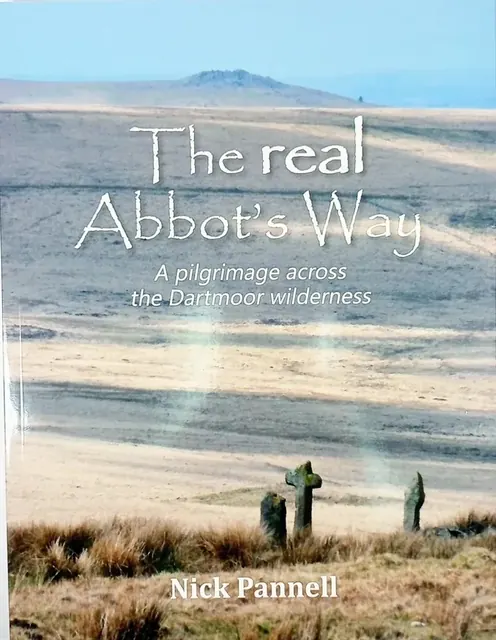
Nick Pannell's pilgrimage-style walk along what he argues is the original medieval route between Buckfast and Tavistock abbeys, with 18 sketches by Kate Andrew.
Showing listings tagged “Walking routes” Show all listings
Nick Pannell's pilgrimage-style walk along what he argues is the original medieval route between Buckfast and Tavistock abbeys, with 18 sketches by Kate Andrew.
Paignton
Author of The Real Abbot's Way and Devon's Spiritual Places, journalist and former Torbay councillor, who spent four years researching the medieval route between Buckfast and Tavistock abbeys.
What is the earliest known written record of the Childe the Hunter legend?
Peter Tavy
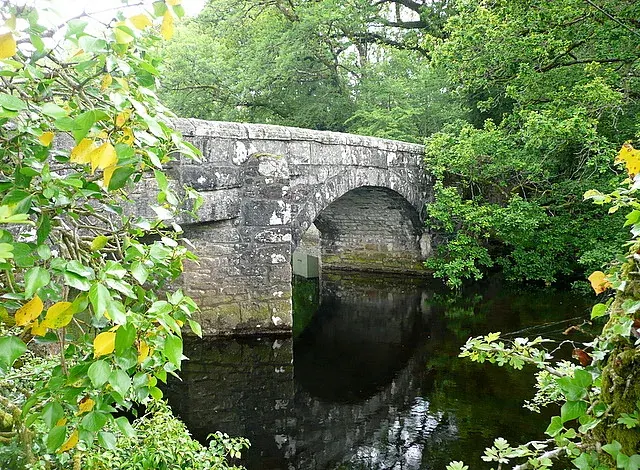
A stone bridge over the Tavy carrying the lane between Willsworthy and Cudlipptown, with a weir below it; Bray called it a most delightful scene.
Widecombe in the Moor
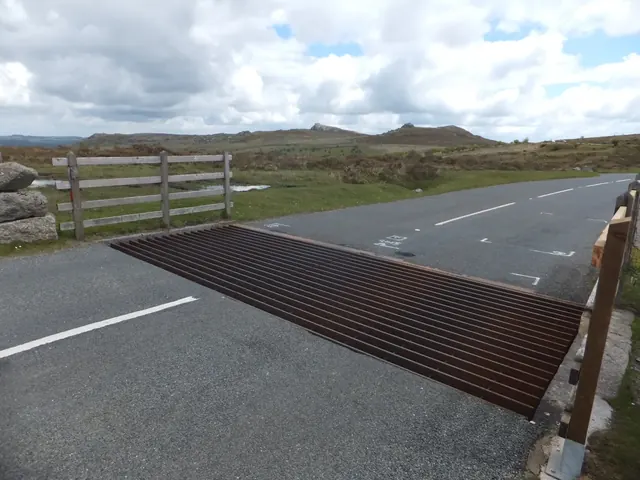
The road junction and cattle grid on the B3387 where roads from Widecombe, Bickington and Haytor meet, with Stentifords Cross beside it.
Okehampton
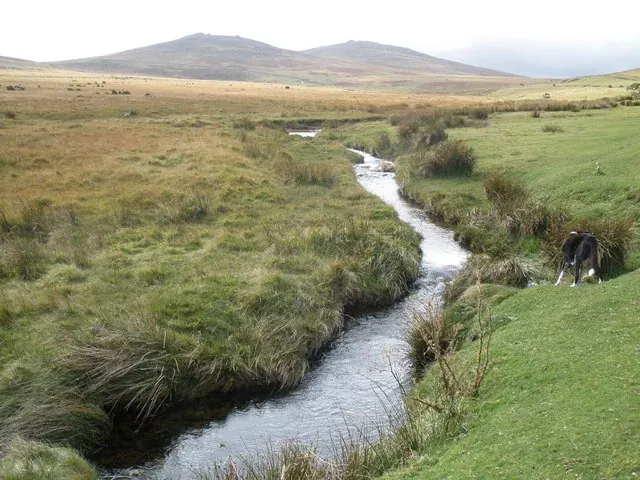
A stream that rises between Row Tor and West Mill Tor, runs past Okehampton Camp through wooded Halstock Cleave and joins the East Okement.
Princetown
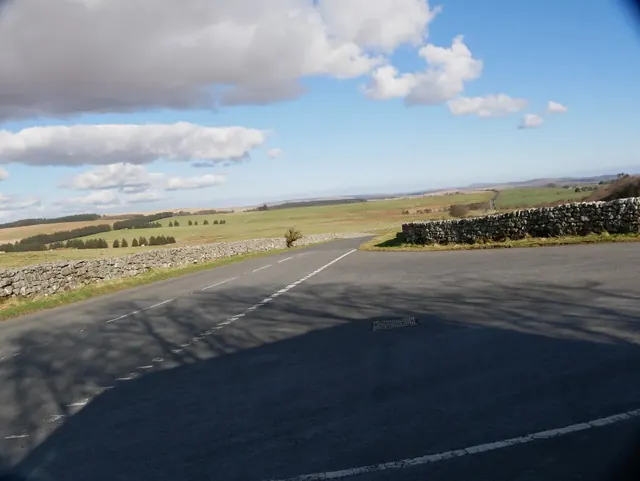
The lost granite pillar on the old Forest boundary that gave Rundlestone corner, on the road from Tavistock to Princetown, its name.
Throwleigh
A tributary of the Teign that rises at Raybarrow Pool below Cosdon and runs past Shilley Pool and Throwleigh to Gidleigh Chase.
Lydford, Okehampton
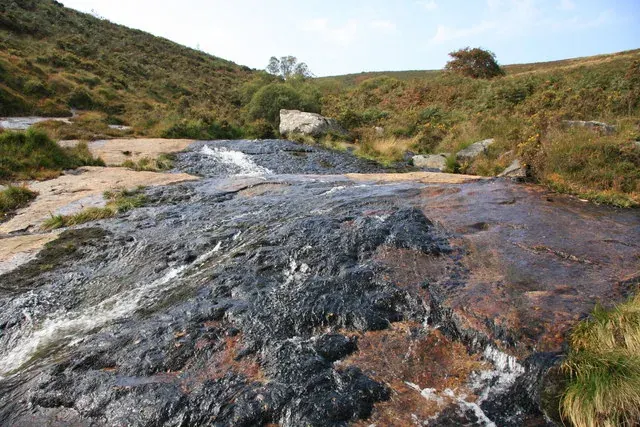
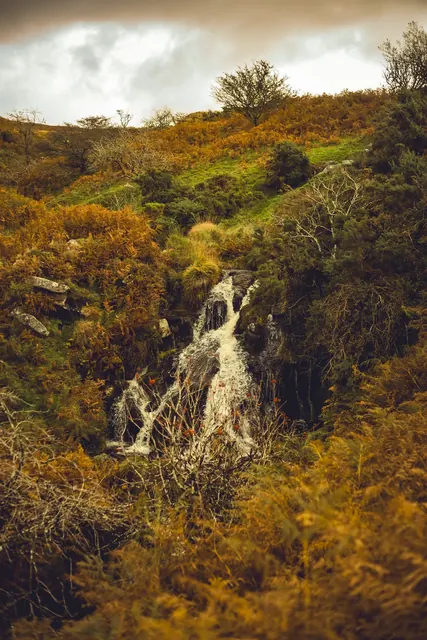
A small waterfall on the Doetor Brook between Doe Tor and Brat Tor, described by William Crossing in 1914 as a most charming cascade hidden away in a narrow rift.
Lydford, Okehampton
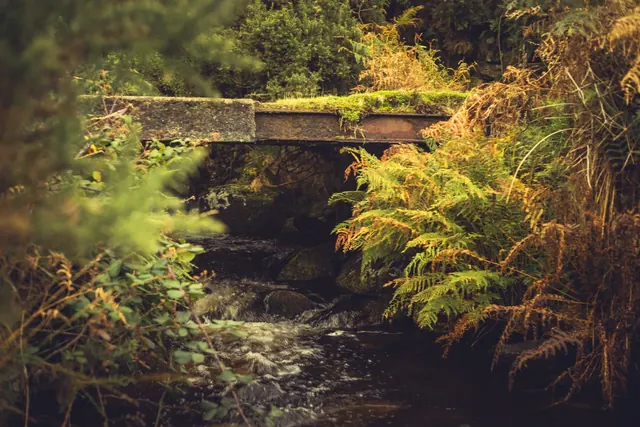
A small concrete slab bridge carrying a well-used path over the Doetor Brook between Doe Tor and Brat Tor, a few metres from the gate to Doe Tor Farm and easy to miss among the gorse.
Photograph by Glavind Strachan Photography“It is not an easy place. Walking in from Okehampton direction, for the first hour it's military roads; for the second hour, degraded moor grass and peat cuttings; and for the third hour, the most Molinia-infested, tussock-barren wasteland I have ever experienced on the moor.”
Also on Our DartmoorJohn Swete — Ashburton-born clergyman and artist (1752-1821) whose illustrated journals of Georgian Devon began with a tour across Dartmoor in 1789.