

← Browse Historical Figures · Browse the directory
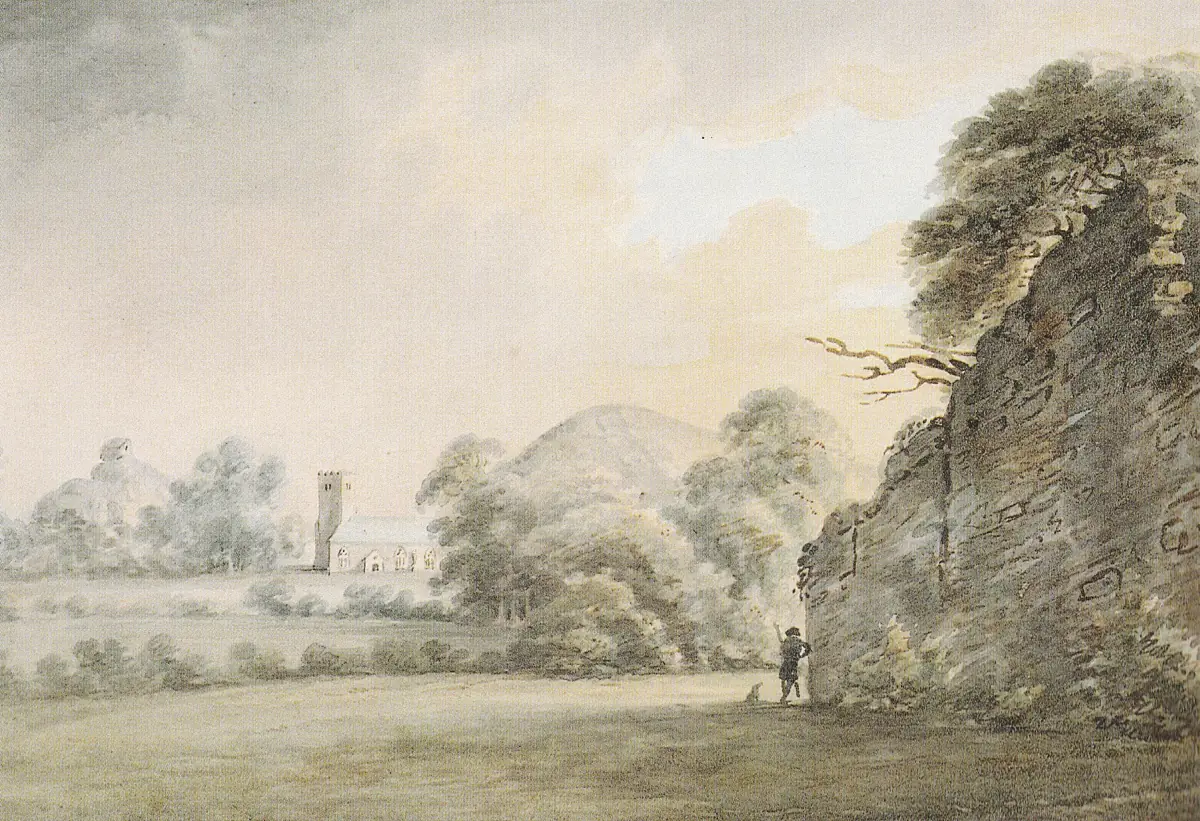
Main image: Torr Church and Chapel (Tor Mohun, Torquay), watercolour by Rev John Swete, 1793. Public domain, via Wikimedia Commons
John Swete (born John Tripe, 1752-1821) was an English clergyman, landowner, artist and antiquary. He was born in Ashburton, the son of a surgeon, and educated at Ashburton Free School, Eton and University College, Oxford. In 1781 an Act of Parliament let him take the surname Swete under the terms of a bequest, and he lived at Oxton House in Kenton.
In 1789 he set out on the first of his tours of Devon, crossing Dartmoor into North Devon. Over the following years he filled a set of illustrated journals, which he called Picturesque Sketches of Devon, with about 674 watercolours. The account of that first tour was published in Devon Notes and Queries in 1901, and the journals as a whole in Travels in Georgian Devon (1997 to 2000).
The surviving journals were given to the Devon Record Office in 1959 and are now with the Devon archive service at the Devon Heritage Centre in Exeter, which says it holds seventeen volumes; three more are believed lost in the Second World War. Many of his watercolours are in the Royal Albert Memorial Museum, Exeter. He died on 25 October 1821 and was buried at Kenton.
Observation: his journals are among the earliest detailed pictures of Devon, but the sources fetched only confirm the Dartmoor crossing of the first tour, not which Dartmoor places he drew.
Sources: en.wikipedia.org; swheritage.org.uk; discovery-cdn.nationalarchives.gov.uk; commons.wikimedia.org
Kind words
Be the first to leave kind words for John Swete.
Leave kind words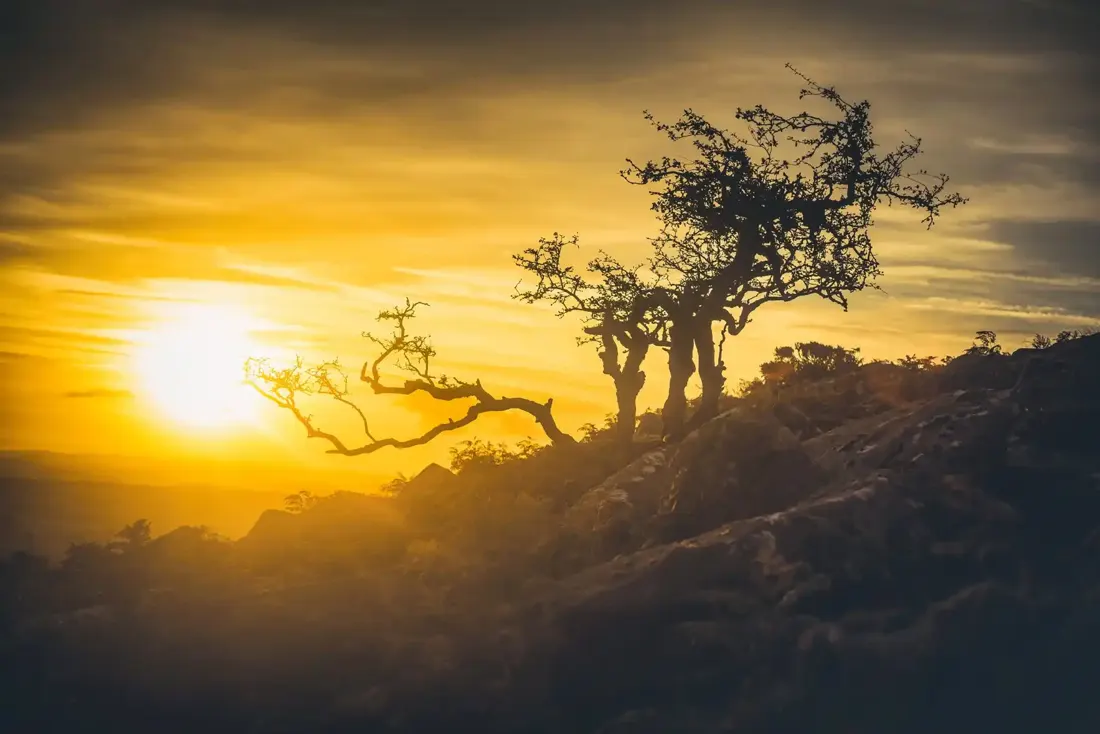 Hawthorn at sunrise - Cosdon Hill. Photograph by Glavind Strachan Photography
“When us is married, then, mind y', Peter, I'm not going to have that silly brother of yourn in the house with me." "Indeed!" was Peter's retort; "then into my house *you* shall never come.”
Also on Our DartmoorHart Tor North stone rows — Bronze Age stone rows stretching across open moorland, their weathered granite markers still aligned after four thousand years.
Know a Dartmoor person we should feature? Suggest a listing, it is free.
Suggest a listing