


Dartmoor quiz
Which Dartmoor place has also been known as "Lookout Tor and Tor Royal"?


← Browse Prehistoric Settlements · Browse the directory
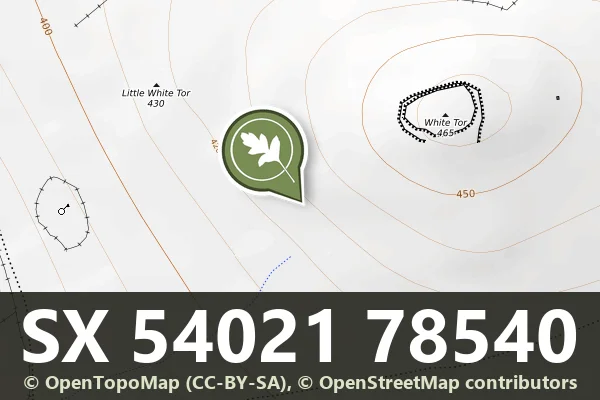
This scheduled monument preserves a prehistoric settlement pattern typical of Dartmoor's Bronze Age occupation. The site consists of multiple stone hut circles, the remains of round dwellings, arranged with contemporary field systems and enclosure boundaries. Such settlements represent some of the earliest permanent communities on the moor, when agriculture and pastoralism sustained life on what is now open moorland.
Today the site appears as a scatter of stony depressions and low stone outlines across the heather and grass, requiring some familiarity with prehistoric settlement patterns to read fully. The surrounding landscape, with its ridge lines and ancient field divisions still visible across the moor, contextualises this as part of a wider Bronze Age world that shaped Dartmoor's character.
Contact us if you have information about this listing
Dartefacts is a database of Dartmoor sites with far more close-up detail than we can show here, and it is the best place to go deeper. Dartefacts is free to use, and nobody has to pay to look things up. If you want more, a yearly subscription adds 10-figure grid references, map zoom down to 1:25,000 and lists to tick off the places you have visited, and it helps keep the site going. We would encourage you to subscribe.
Be the first to share a thought about Hut circle settlement near White Tor.
Share a thought Photograph by Glavind Strachan Photography
“It is indeed a scene of desolate loneliness, the spot being the wildest in the east quarter of the forest.”
Also on Our DartmoorChurch of St Andrew, Moretonhampstead — Grade I granite parish church with a four-stage tower recorded in 1418, a late 15th-century nave and aisles, and heavy restorations in 1856 and 1904-5.
Which Dartmoor place has also been known as "Lookout Tor and Tor Royal"?
Know another Dartmoor place, tor or landmark we should include? Suggest a listing, it is free.
Suggest a listing