

Dartmoor Heritage
Dartmoor's archaeology and heritage - antiquities, historic buildings and museums.
View on map
Dartmoor quiz
“There was nobody to see him; all the brown moor was void with loneliness and lassitude; not a shadow, except his own, moved faster than the sun directed it.”
Who wrote this?
Hillforts & Earthworks
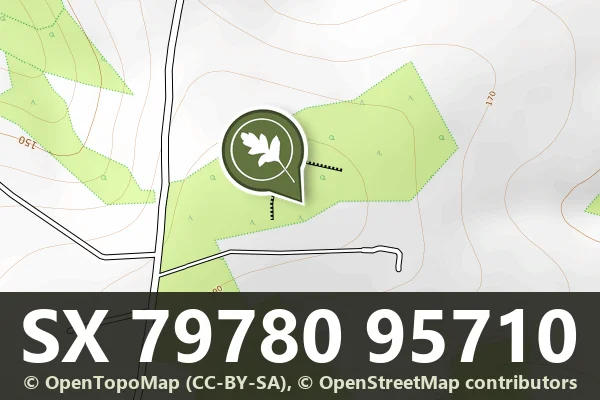
Higher Bury Camp
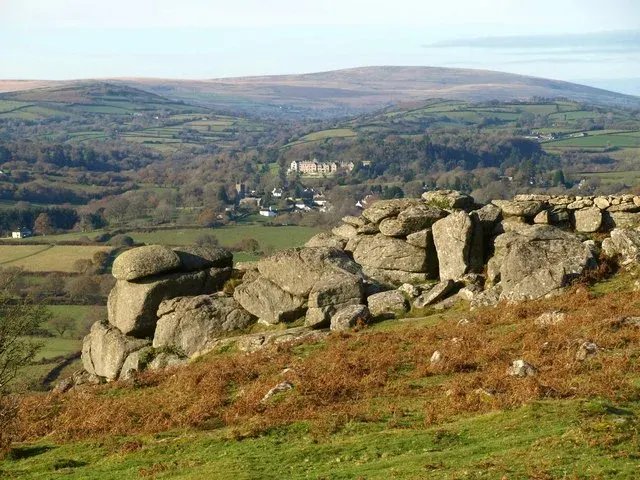
Iron Age hillfort whose ramparts still command the open moorland above the West Dart River valley.
Crosses
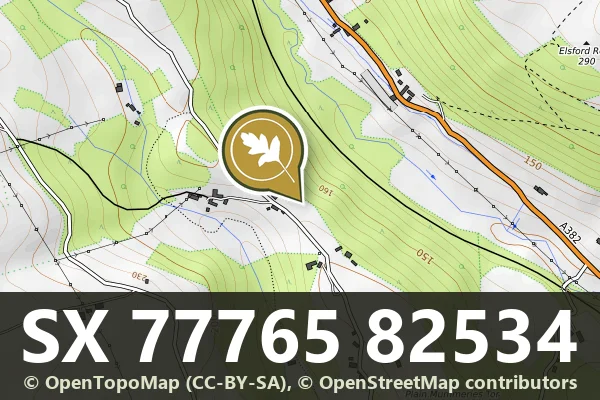
Higher Combe cross
Lustleigh, Moretonhampstead
A medieval wayside cross standing alone in a field east of Higher Combe, marking an ancient route across the moor.

Historic Buildings
Higher Horselake Farmhouse
A Grade II* listed farmhouse on the high moor, likely built in the medieval or early modern period as a working farm.
Historic Buildings
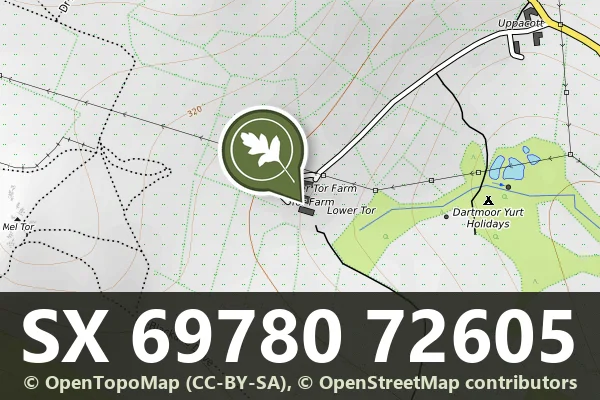
Higher Tor Farmhouse
A Grade II* listed farmhouse on the high moor, built in the medieval or early post-medieval period.

Historic Buildings
Higher Uppacott Uppacott
A Grade I listed farmhouse on the high moor, likely medieval in origin, with the layered building history typical of working Dartmoor farms.

Stone Rows & Alignments
Higher White Tor stone row
A double stone row 95.4 m long on the south slope of Higher White Tor, with 12 stones standing and 24 fallen, the tallest 0.75 m.
Page 34 of 153
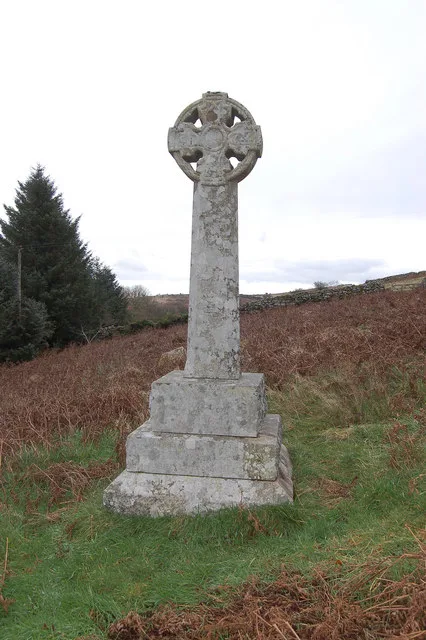
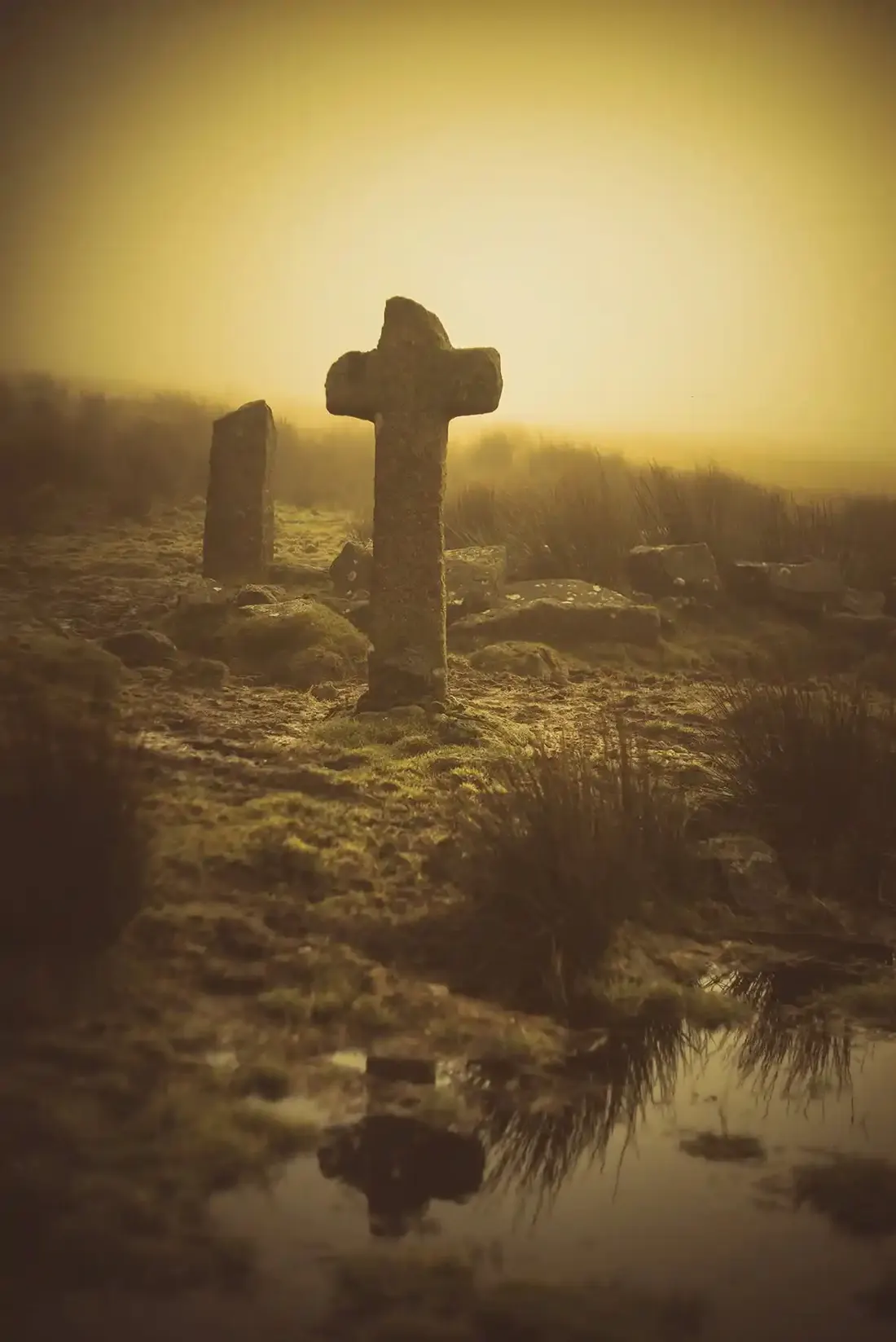 Mount Misery Cross. Photograph by Glavind Strachan Photography
“Strangers who have never experienced a real Dartmoor mist are apt to imagine that a map and a compass are all that are required to enable one to make one's way across the trackless waste.”
Also on Our DartmoorWatern Oke: hut circle and tinners' building — A hut circle 2.3 m across inside, which the excavators took for a cook-house, and a tinners' building 5.8 m by 3.2 m built on top of an earlier hut, at Watern Oke.
