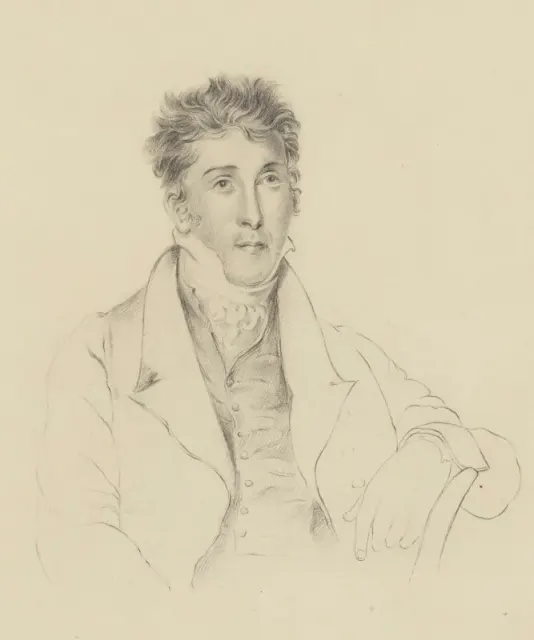
N. T. Carrington - Poet
Plymouth
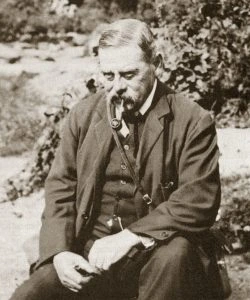
Plymouth schoolmaster and poet (1777-1830), author of Dartmoor: A Descriptive Poem (1826). The Dewerstone was a favourite spot of his, and his name is cut into the rock there.
People who shaped Dartmoor's history
Plymouth
Plymouth schoolmaster and poet (1777-1830), author of Dartmoor: A Descriptive Poem (1826). The Dewerstone was a favourite spot of his, and his name is cut into the rock there.
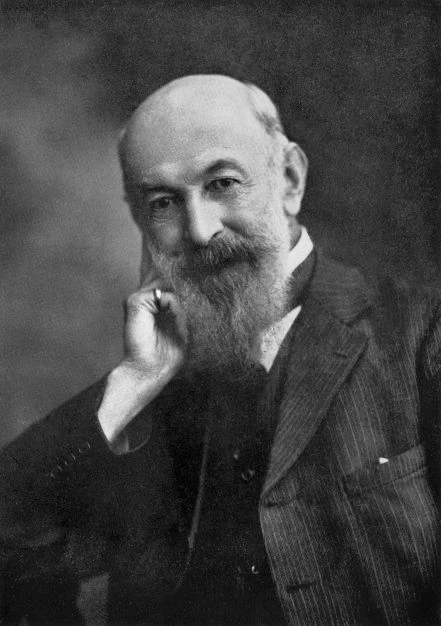
Ashburton
Ashburton antiquary and lieutenant-colonel of volunteers (1839-1907), treasurer of the Devonshire Association from 1893, secretary of its Folk-lore Committee and joint editor of Devon Notes and Queries.
Plymouth
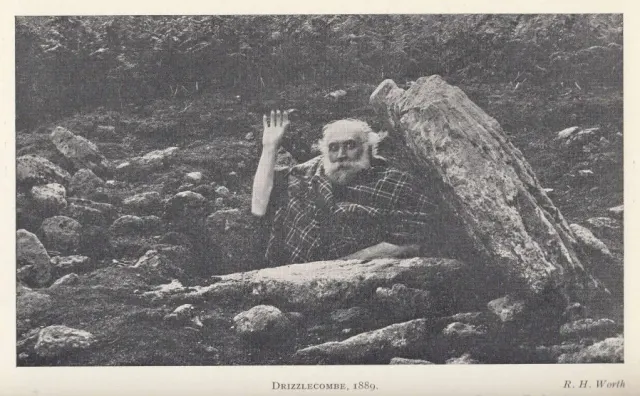
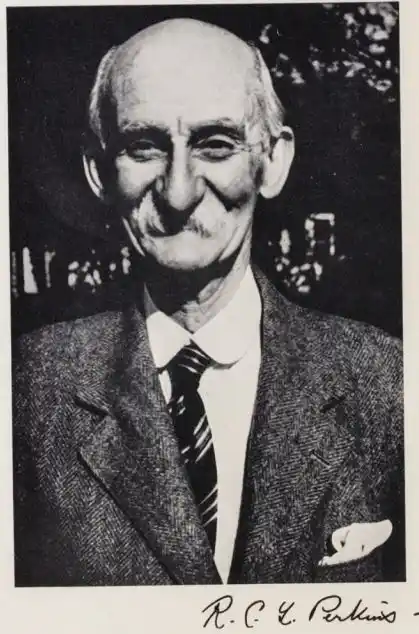
Plymouth civil engineer and geologist (1868-1950), secretary of the Dartmoor Exploration Committee and author of the Devonshire Association's stone rows series. The son of Richard Nicholls Worth.

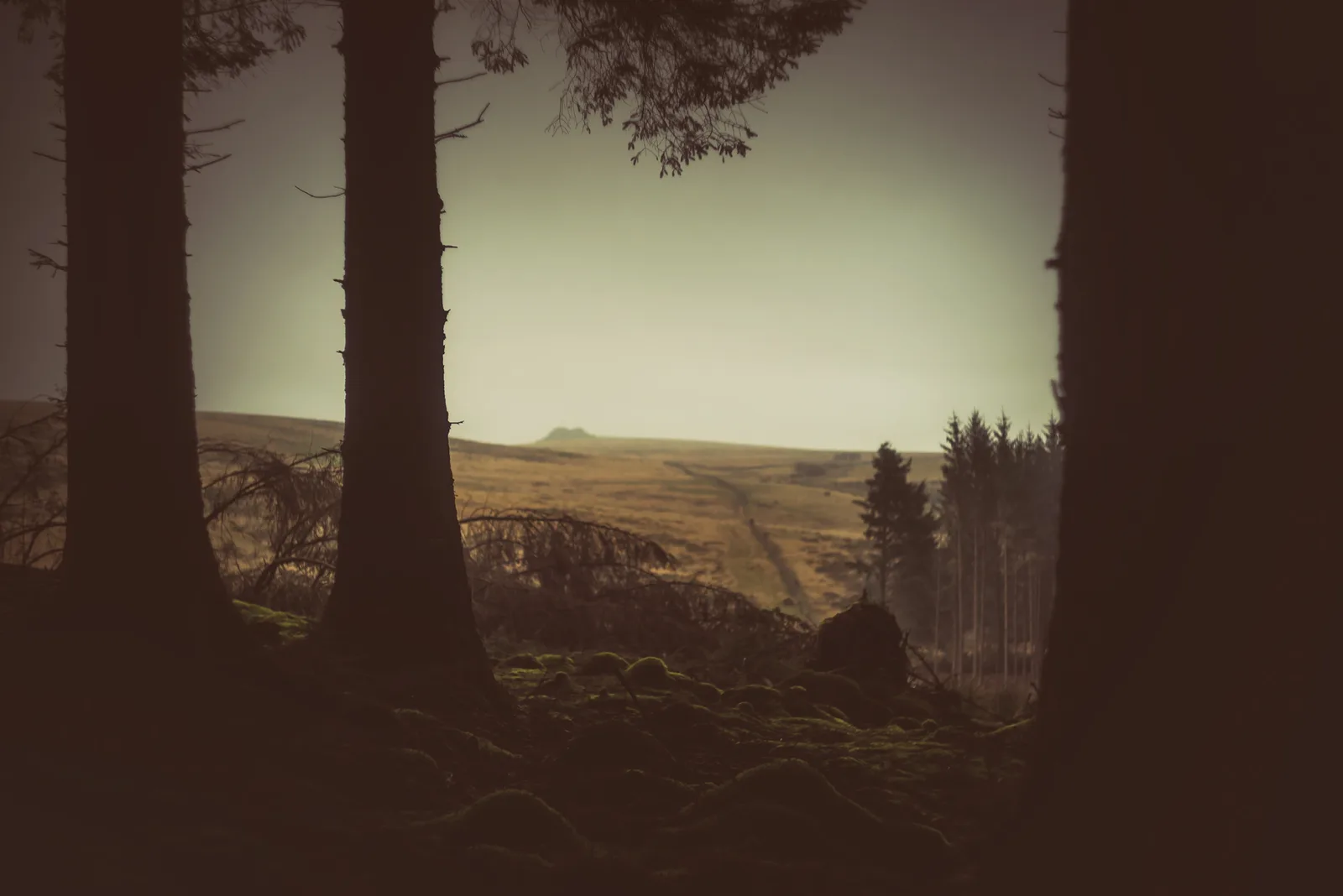
Which Dartmoor place is in the far distance?
Mary Tavy
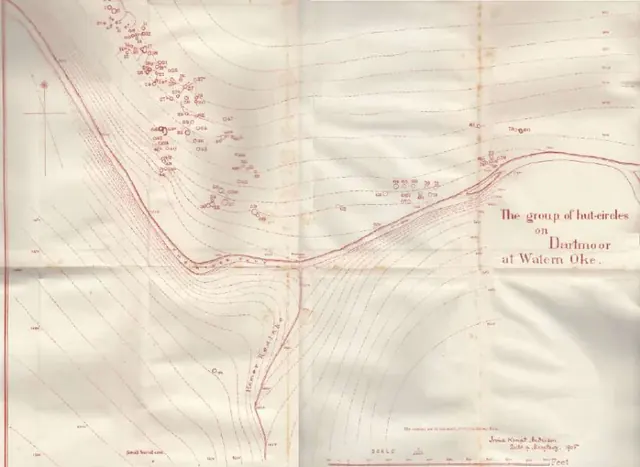
Clergyman who dug the Watern Oke hut circles in the summer of 1905 and wrote the Dartmoor Exploration Committee's eleventh report, and who opened two small cairns in the Tavy valley.
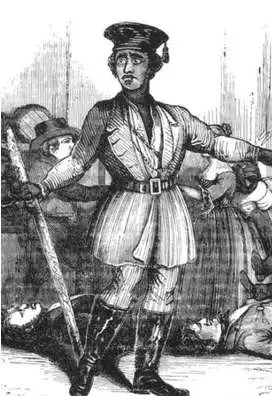
The Black prisoner-leader, usually identified with "King Dick," whose self-governing block at Dartmoor Prison ran its own theatre, boxing school and gambling operation in 1814-1815.
Shaugh Prior, Plymouth
Plymouth journalist, geologist and historian (1837-1896), author of histories of Devonport, Plymouth and Devon.
Plymouth
Plymouth fertiliser manufacturer and antiquarian (1848-1920), first secretary of the Dartmoor Preservation Association and a leading member of the Dartmoor Exploration Committee, credited with overseeing the 1909 restoration of the Grey Wethers circles.
Newton Abbot
British entomologist known in Hawaii as the "Father of Hawaiian Zoology" (Linnean Medal 1912, FRS 1920), who retired to south Devon in 1912 and, according to specimen records, spent part of his later years collecting moths at Hexworthy and Lustleigh on Dartmoor's eastern edge.
Widecombe-in-the-Moor, Newton Abbot
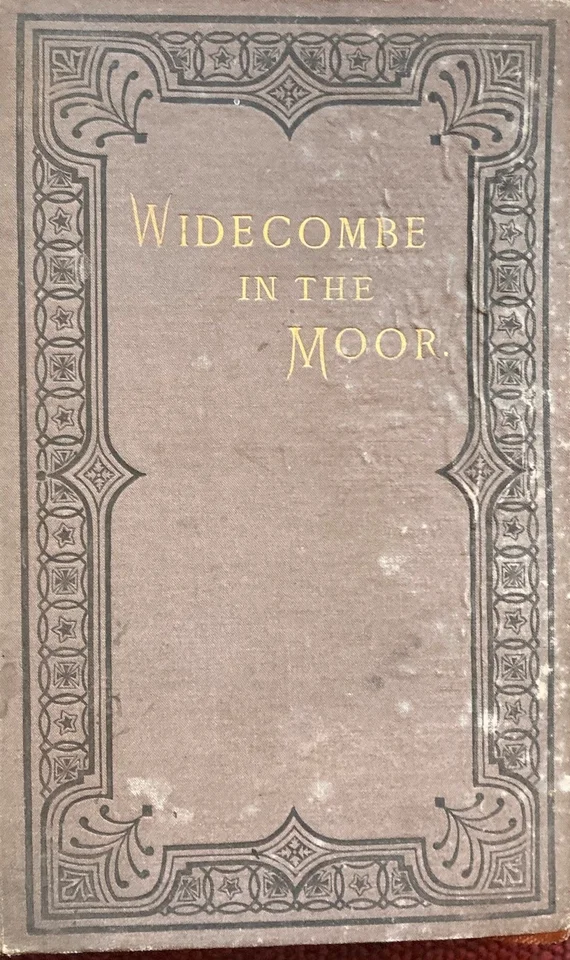
Exeter land surveyor and antiquary, Fellow of the Society of Antiquaries, who lived at Blackslade in Widecombe-in-the-Moor and edited the 1876 parish book Things New and Old.
Photograph by Glavind Strachan Photography“Without these paths it would be utterly impossible for any four-footed animal to be taken over the swampy parts of the forest, and there are many places where, in winter, no one to whom they were unknown, could cross even on foot without danger.”
Also on Our DartmoorRock Idols: A Guide to Dartmoor in 28 Tors — Sophie Pierce and her husband Alex Murdin's 2025 book telling the story of Dartmoor through 28 of its tors, with original artwork, folklore, geology and personal stories.