Dartmoor People
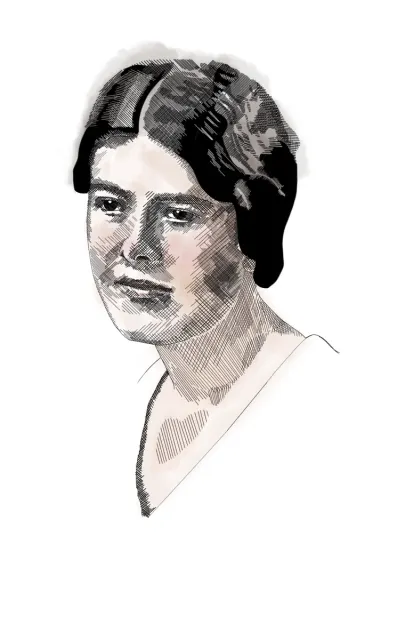
Aileen Fox (Lady Fox)
Exeter
Archaeologist (1907-2005) who excavated the Round Pound at Kestor in 1951-52 and published the results in 1955.


People who shaped Dartmoor's history
Exeter
Archaeologist (1907-2005) who excavated the Round Pound at Kestor in 1951-52 and published the results in 1955.
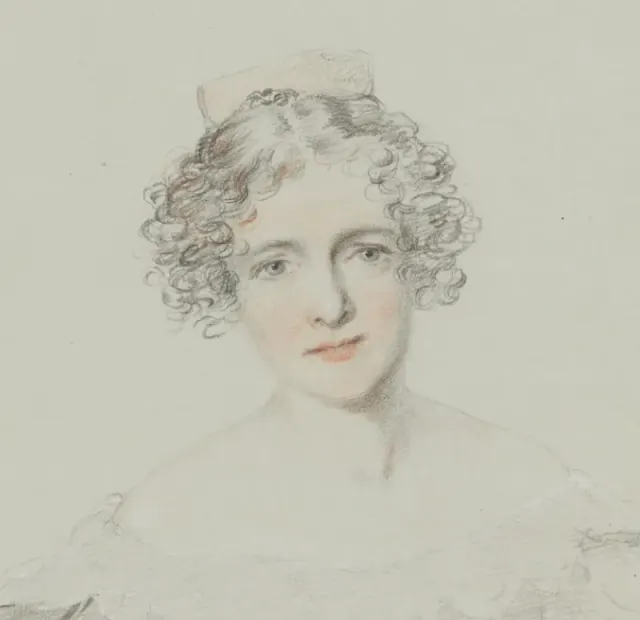
Victorian author (1790-1883) who lived in Tavistock and wrote one of the earliest full accounts of Dartmoor's folklore and antiquities, in a series of letters to the poet Robert Southey.
“All around the hills were silent; and the long pale shadows lay, like flaws of calm on tidal waters; while the "holy circles," where unholy deeds had stained the moor, stood up, like ghosts that have no churchyard.”
Who wrote this?
Doctor and indexer (M.D., F.R.C.S.), one of the first members invited to the Grimspound dig of 1894, who compiled the Devonshire Association's indexes to Risdon and to Dartmoor.
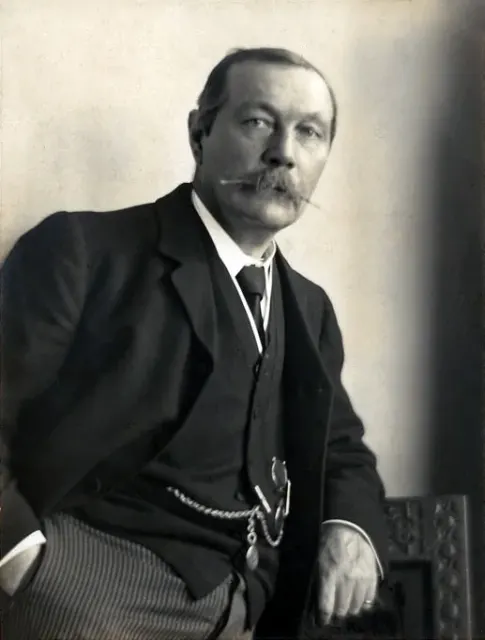
Arthur Conan Doyle (1859-1930) was a Scottish-born doctor and writer, best known as the creator of Sherlock Holmes. In 1901 he spent a fortnight walking Dartmoor with journalist Bertram Fletcher Robinson, researching what became The Hound of the Baskervilles, the only Holmes story set on a real, named moor.

Okehampton
Real 17th-century mayor of Okehampton whose misappropriation of a sailors' ransom fund grew, over five Victorian retellings, into the "Benjie Geare" devil legend of Cranmere Pool.
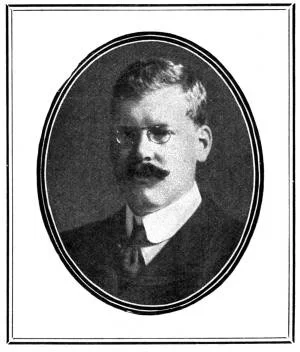
Bertram Fletcher Robinson (1870-1907) was a Devon-born journalist and editor who grew up on the edge of Dartmoor. In 1901 he told fellow writer Arthur Conan Doyle the moorland legends that became The Hound of the Baskervilles, and guided him around the moor while Doyle researched the book, which Doyle dedicated to him.
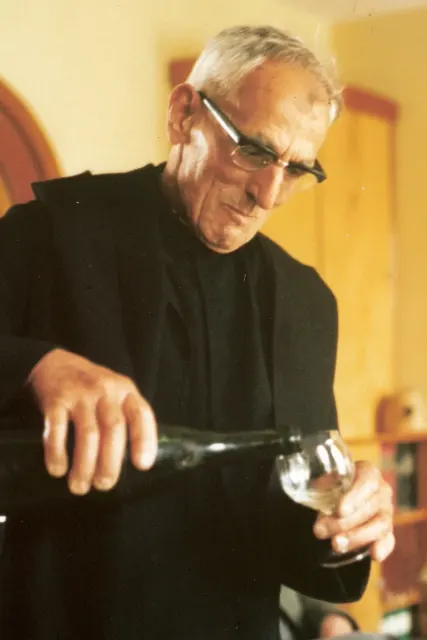
Buckfastleigh
Benedictine monk (1898-1996) and beekeeper at Buckfast Abbey, who bred the Buckfast bee and set up an isolated mating station on Dartmoor in 1925.
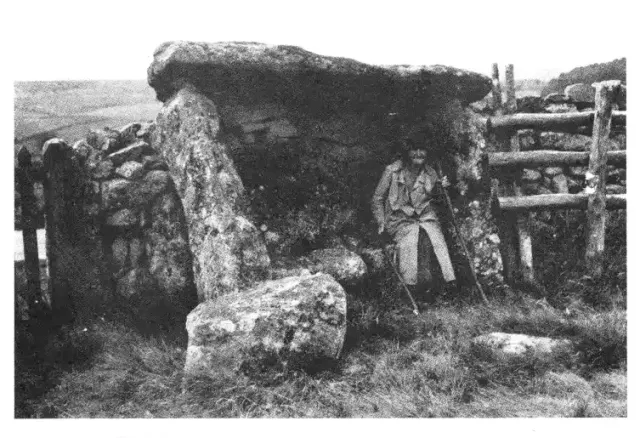
Two Bridges
Keeper of Dunnabridge Pound for over 50 years, presented to Edward VIII in 1936. The shelter inside the pound is known as Dinah's Chair.
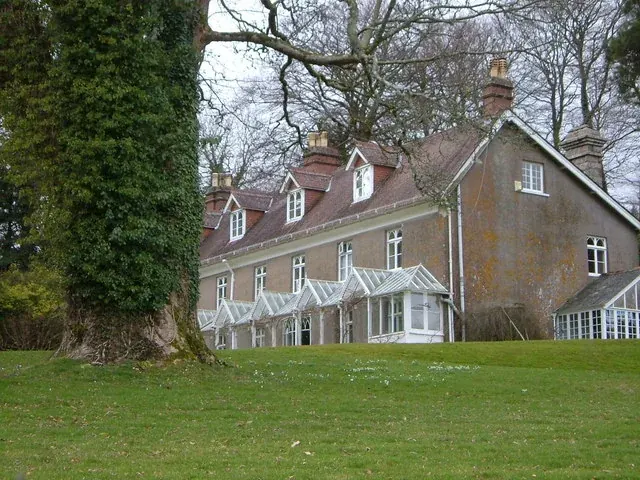
Ashburton
Thomas Blackall (1814 to 1899), an Exeter physician who bought Spitchwick in 1867, rebuilt the house and had the carriage drive made that still carries his name.
