Dartmoor People
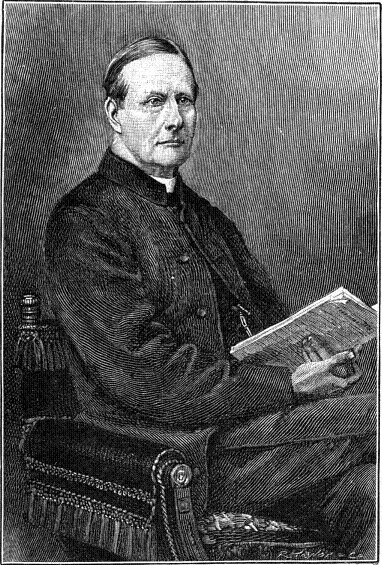
Sabine Baring-Gould
The squire-parson of Lew Trenchard and prolific chronicler of Dartmoor and Devon (1834-1924).


People who shaped Dartmoor's history
The squire-parson of Lew Trenchard and prolific chronicler of Dartmoor and Devon (1834-1924).
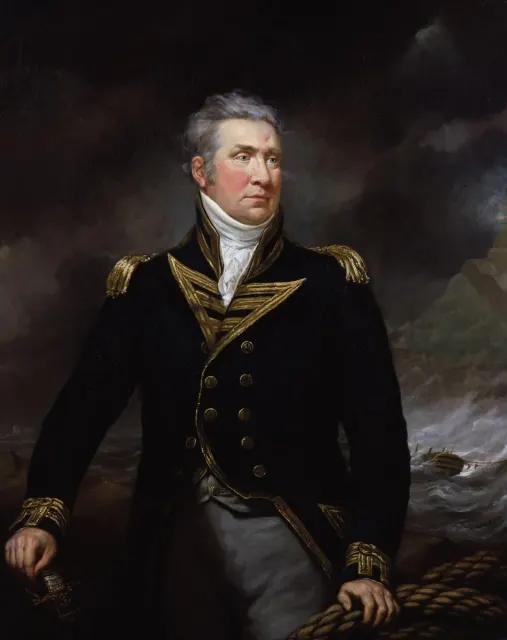
Christow
Royal Navy officer (1757-1833) who led the 1816 bombardment of Algiers and bought the Canonteign estate on Dartmoor's eastern edge in 1812. He is buried at Christow.
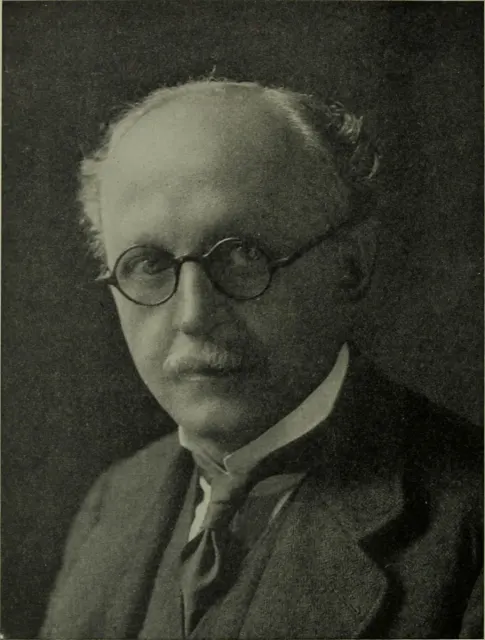
Drewsteignton
British architect (1869-1944) who designed Castle Drogo for Julius Drewe, built 1911-1930 at about a third of his original plan.
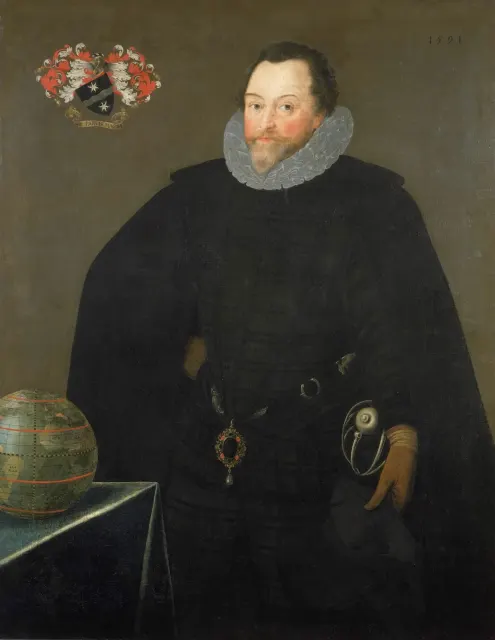
Tavistock
Elizabethan naval commander and the first Englishman to circumnavigate the globe (1577-1580), born around 1540 at Crowndale Farm near Tavistock and later the owner of Buckland Abbey, on Dartmoor's southern edge.
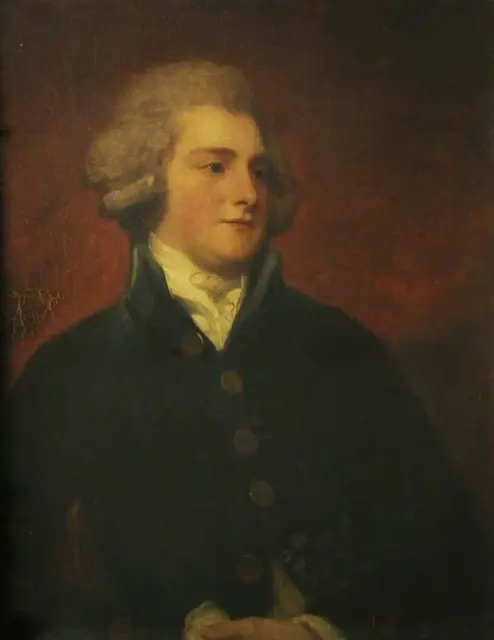
Princetown
MP and Duchy of Cornwall official (1762-1833) who built Tor Royal and pushed for Princetown, Dartmoor Prison and the Plymouth and Dartmoor Railway.
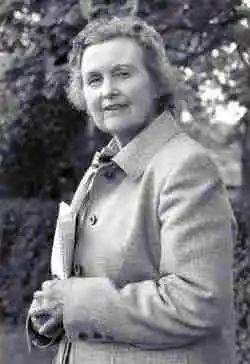
Widecombe-in-the-Moor
Chairman of the Dartmoor Preservation Association from 1951 to 1973, and its most formidable conservation campaigner, fighting off a TV mast, military exercises, reservoirs and china clay expansion across the moor.

Devonshire Association folklore recorder whose decades of Dartmoor fieldwork produced woodcuts, maps and a museum object alongside her written record of the moor's traditions.
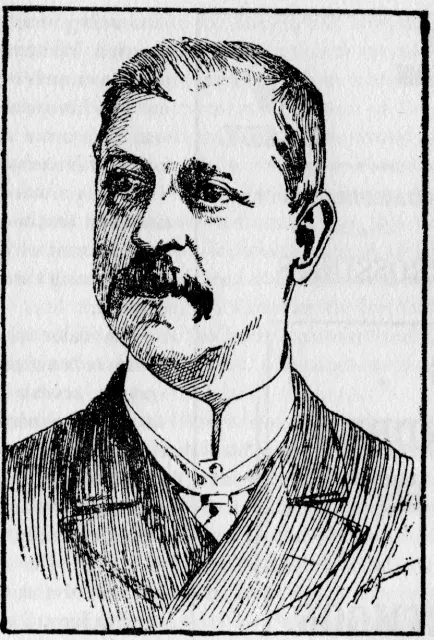
Victorian topographer and antiquary (1847-1928), the single most prolific chronicler of Dartmoor, author of the classic Guide to Dartmoor and a dozen other books on the moor.
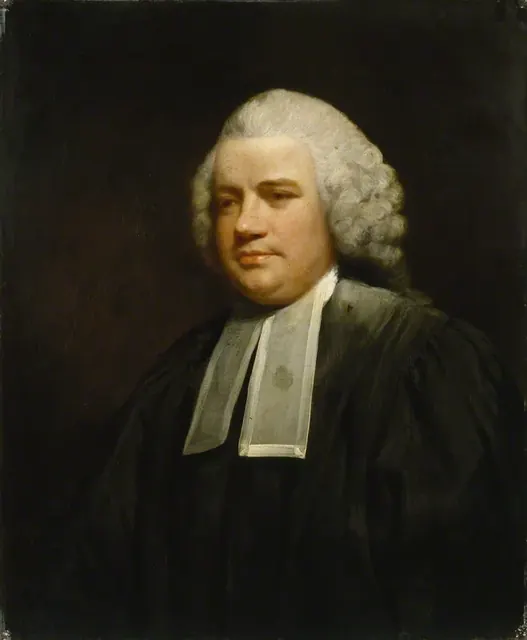
Ashburton
Ashburton-born lawyer John Dunning (1731 to 1783), Solicitor General and Lord Ashburton, who bought the Spitchwick lease in about 1769 and built his Dartmoor house there.
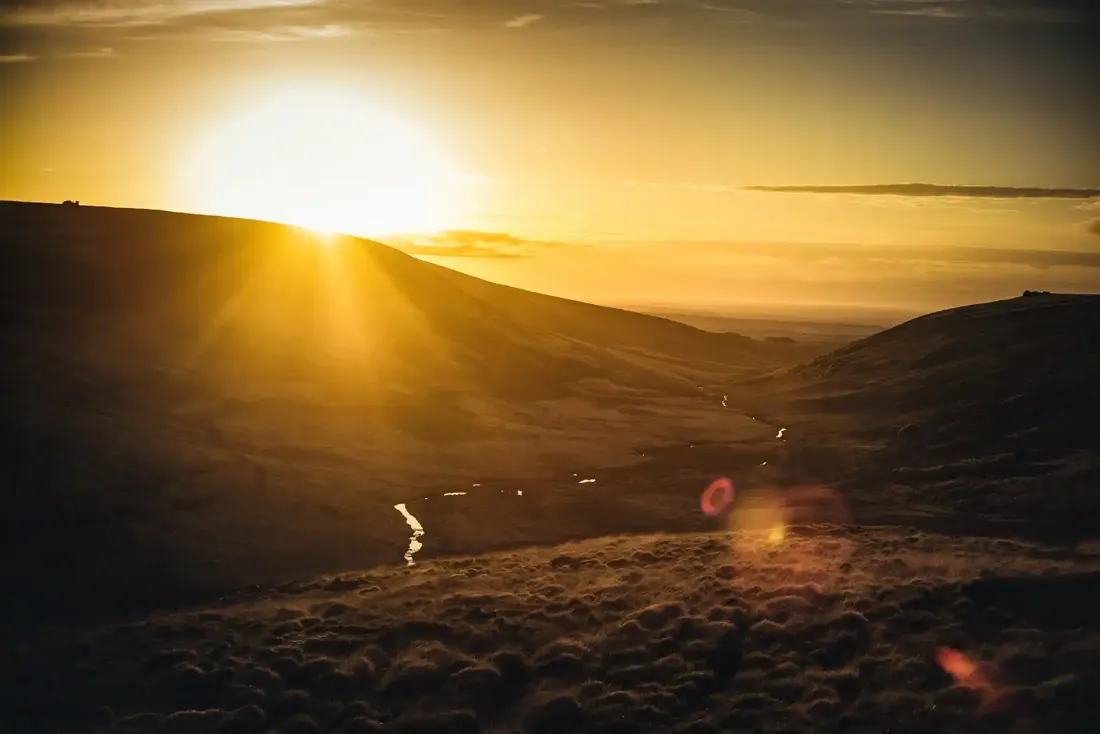 Sunset from Lints Tor. Photograph by Glavind Strachan Photography
“The granite tors still lift their lofty heads to the sky, the heather and gorse still bloom on the moor, the stream yet pursues its way over its rocky bed, and all is here unchanged.”
Also on Our DartmoorNut Crackers (Site of Logan Stone) — Scattered granite blocks on open moorland marking the site of a famous logan stone, moved centuries ago.
