
Historic Buildings
Higher Horselake Farmhouse
A Grade II* listed farmhouse on the high moor, likely built in the medieval or early modern period as a working farm.


Showing listings tagged “Historic England” Show all listings
A Grade II* listed farmhouse on the high moor, likely built in the medieval or early modern period as a working farm.
Which Dartmoor place has also been known as "Big Tip"?

An octagonal-topped granite socket stone, 1.02 m by 1 m, beside the road south of Greenwell Girt; the cross it once held marked a medieval route.

A Grade II* listed manor house, likely medieval in origin, standing on the moorland fringes of Dartmoor.

A Grade II* listed farmhouse on Dartmoor, likely dating from the medieval period or earlier, with later modifications reflecting centuries of moorland farming life.
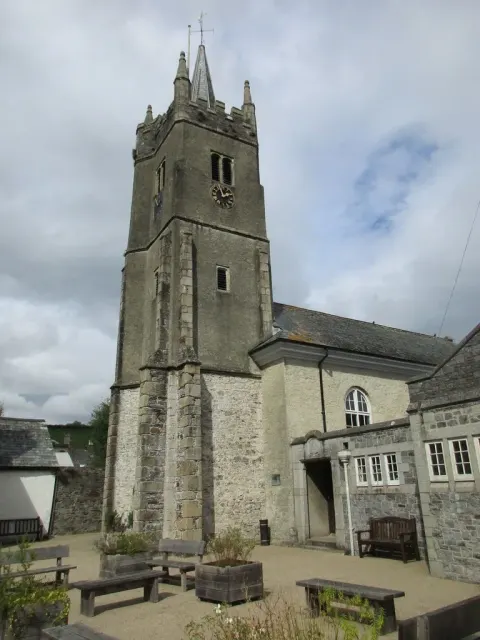
Grade II* listed gate piers and boundary wall fronting a small chapel, likely medieval in origin.

A Grade II* listed farmhouse on the edge of Dartmoor, built in the medieval or early modern period and substantially altered over centuries.
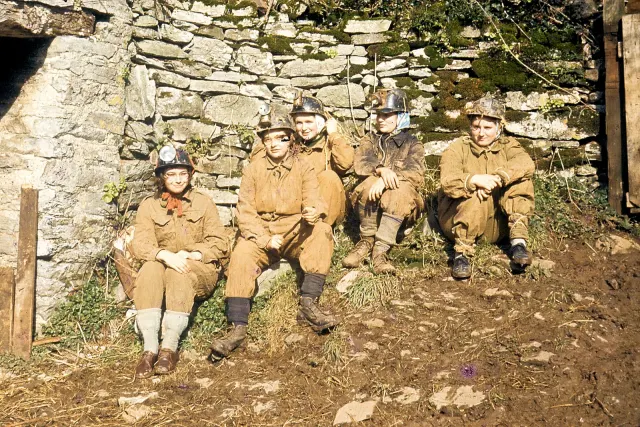
A circular Grade II* dovecote 6.28 m across with a corbelled domed roof, about 250 nesting holes in 11 tiers and a low Gothic door, restored in 1977, at Pridhamsleigh.

Most of the Throwleigh Common coaxial field system, with six settlements including at least 27 hut circles, a reave, at least 27 cairns, part of the 19 km Bradford Leat and two boundary stones.

Listed building on Dartmoor. Historic England list entry 1260196.
 Photograph by Glavind Strachan Photography
“There had been a dense fog over the moor the night before, and it had only just partially cleared when I encountered these two dishevelled objects, looking draggled, wet, and most forlorn. On coming nearer I discovered one to be the school mistress of the Huccaby school, and a friend. When I asked ...”
Also on Our DartmoorBook of Dartmoor: Landscapes Through Time — An English Heritage guide to Dartmoor's archaeology and landscape history by Sandy Gerrard, published by Batsford in 1997.
