Skip to content

Our Dartmoor Directory

Share

Showing listings tagged “Industrial Archaeology” Show all listings

30 listings for Industrial Archaeology ✕ Clear filters
Brat Tor Stone Workings
Industrial Archaeology

Brat Tor Stone Workings

Lydford, Okehampton

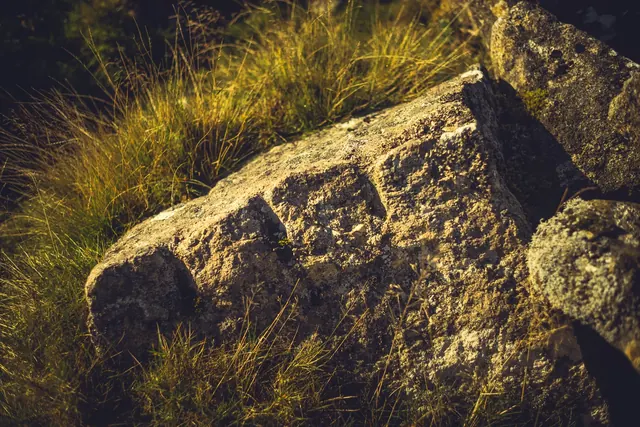
Small stone workings on the south-west slope of Brat Tor, below Widgery Cross: heaps of broken granite and blocks with the notches left by splitting stone with tare and feather. It is not marked as a quarry on the old maps and we have found no written record of one.

Doetor Quarry
Industrial Archaeology

Doetor Quarry

Lydford, Okehampton

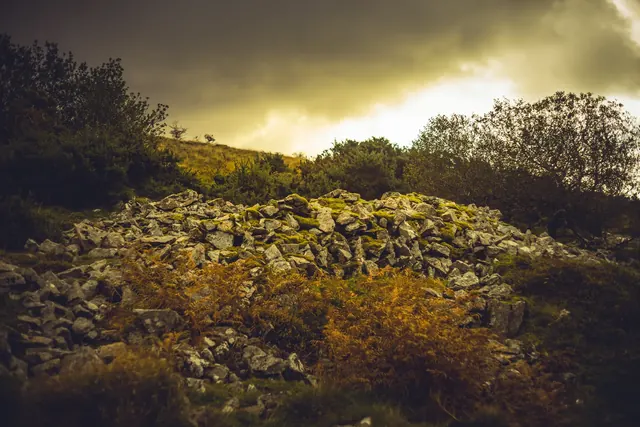
A small quarry marked on the 1900s Ordnance Survey map on Doetor Common, beside the track about 200 m north-north-east of Doe Tor Farm. No written record of it has been found, and a pile of loose granite in the rough ground nearby does not line up with its mapped position.

Dartmoor quiz
“The rain stopped suddenly, and the wind was hushed, except in the tops of invisible trees; and a streak of black boggy fog settled heavily.”

Which book is this from?

Christowell. Written by R. D. Blackmore in 1882.

Worth a visit
Wheal Mary Emma
Industrial Archaeology

Wheal Mary Emma

Lydford, Okehampton

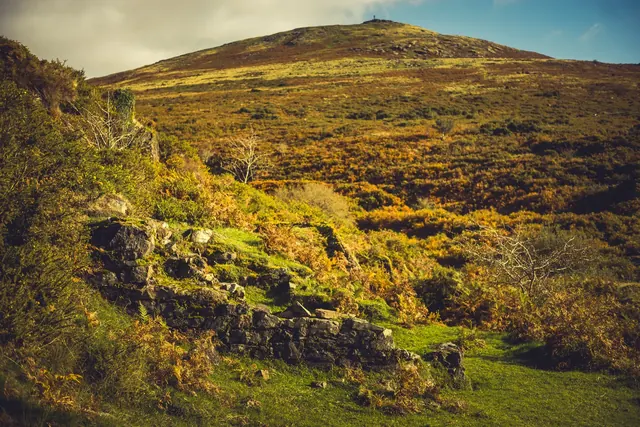
Wheal Mary Emma was a small tin mine beside the River Lyd below Brat Tor, worked from 1849 and named for its owner's ten-year-old daughter. Its capped shaft, dressing floor, smithy and office ruins survive on the slope above the river, close to the Captain Hunter Memorial.

Tors & Landmarks

Haytor Quarries

Haytor Vale

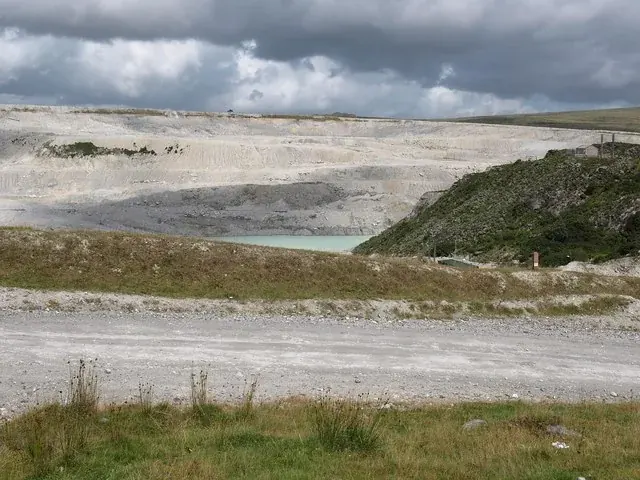
Five disused granite quarries on the east side of Dartmoor, worked from around 1820 by George Templer. Stone from here built the old London Bridge, completed in 1831, and travelled to the coast via the Haytor Granite Tramway and Stover Canal.