High Willhays
The highest point on Dartmoor and in southern England at 621 metres, with five scheduled cairns on the summit ridge and neighbouring Yes Tor.
Showing listings tagged “Historic England” Show all listings
The highest point on Dartmoor and in southern England at 621 metres, with five scheduled cairns on the summit ridge and neighbouring Yes Tor.
Grade II* listed farmhouse on Dartmoor, likely medieval or early modern in origin.

Which Dartmoor place is this?
A Grade II* listed building standing on high ground, likely medieval in origin, on the Dartmoor landscape.
The Taw River tin blowing mill: a drystone building 9.5 m by 4.7 m inside with furnace stones, wheelpit, leat, reservoir, tailrace and dressing floor, where tin slag has been found.
A Grade II* listed farmhouse on Dartmoor, likely dating from the medieval or early modern period, standing in the moorland landscape.
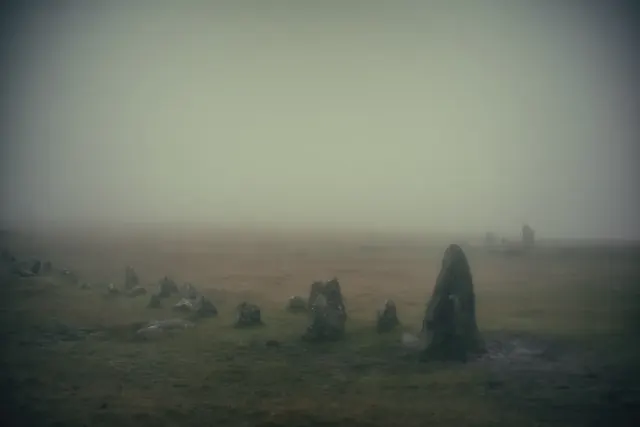
A Bronze Age stone alignment on Conies Down, one of several such ritual or territorial markers scattered across Dartmoor.
A listed building on Dartmoor, likely a medieval or early modern structure with roots in the moorland landscape.
A Grade II* listed manor house, likely medieval in origin, standing in the moorland landscape south of Chagford.
Photograph by Glavind Strachan Photography“The place is deprived of every thing that is pleasant or agreeable, and is productive of nothing but human woe and misery. Even riches, pleasant friends and liberty could not make it agreeable.”
Also on Our DartmoorDartmoor's Policeman Poet: The Verses of Constable John L. Webber of Widecombe-in-the-Moor 1863-1891 — Simon Dell's collection of the verses of Constable John L. Webber, the Victorian policeman-poet of Widecombe-in-the-Moor.