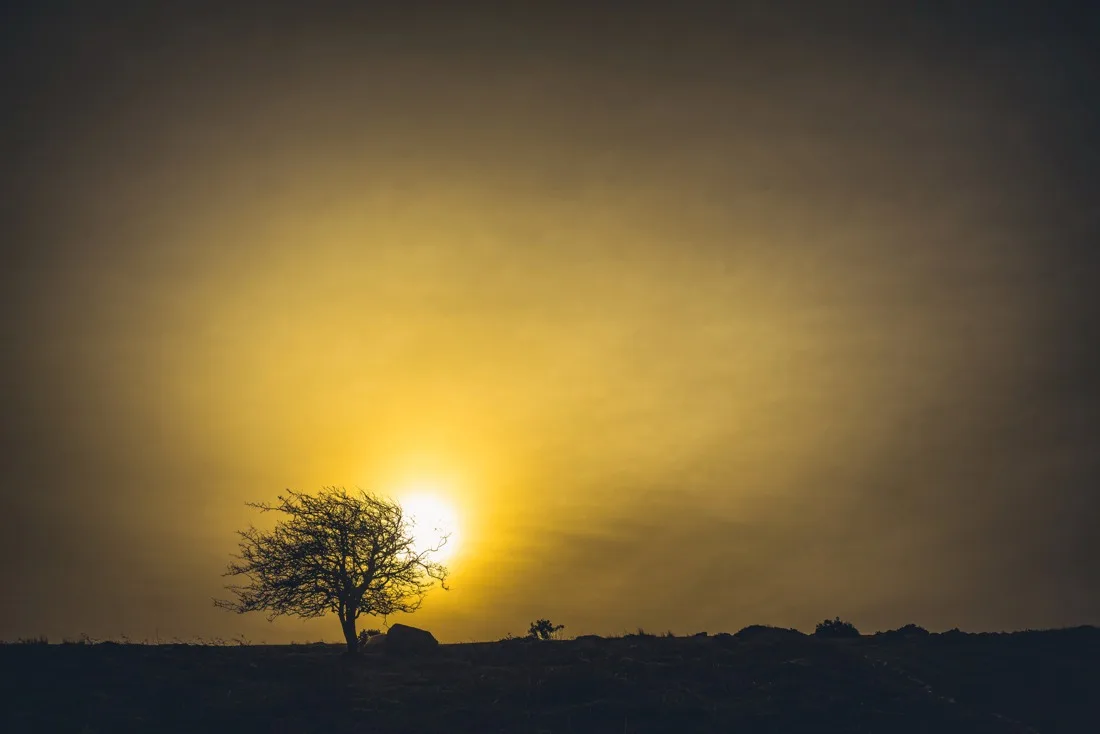
Metheral Stone Circle
Belstone
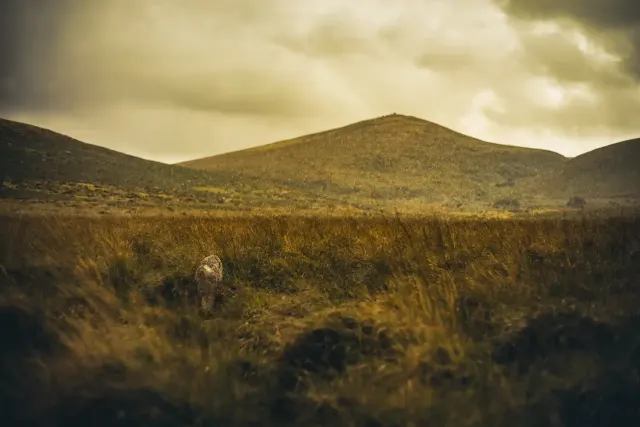
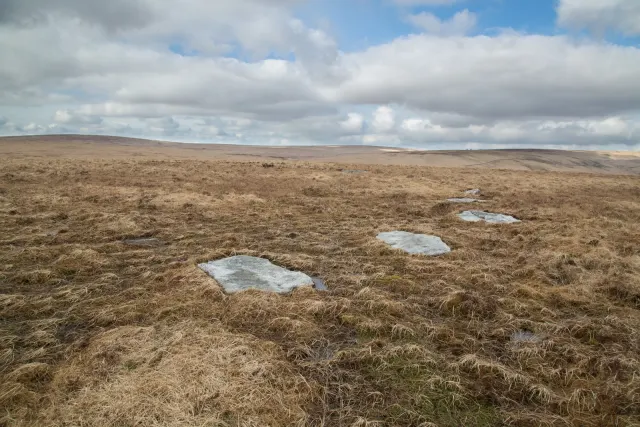
Oval stone circle on Taw Marsh below Metheral Hill, near Belstone. Alan Endacott found it during his PhD fieldwork and it was announced in November 2024. About 20 stones survive, most of them fallen.
Dartmoor Walks, a guide that counts them, puts the number of stone circles on Dartmoor at 17, and notes that the generally accepted figure used to be 16. Most are dated to the second millennium BC, within a wider range of about 2500 to 1300 BC given for the circles of the British Isles. That is a broad bracket, and nobody has pinned a date to most individual circles.
The best known pair is Grey Wethers, north of Postbridge: two circles, each about 33 metres across and less than five metres apart, with 20 stones in the northern one and 29 in the southern. Wikipedia records an excavation in 1898 that found charcoal fragments, and a restoration in 1909 that re-erected many fallen stones, so some of what you see was put back by Edwardians. Scorhill, on Gidleigh Common, has 23 stones standing and about 27 metres across, and has not been restored. Fernworthy has 27 smaller stones about 20 metres across, in a clearing in the forest. Merrivale is smaller again, about 19 metres with 11 stones. Brisworthy had only 4 stones standing before its 1909 reconstruction, and Sherberton still has nine of its original stones, with a wall running through the western side.
What were they for? Nobody really knows. The Devonshire Association's Dartmoor Exploration Committee thought they were probably crematoria or sites for funeral feasts. Dartmoor Walks suggests ritual centres and perhaps community meeting places. Both are guesses, and the stones themselves do not say.
One practical note: for Fernworthy, follow the road round Fernworthy Reservoir to its end, where there is a turning area with limited parking, then take the forest road to the clearing on your right.

Belstone
Oval stone circle on Taw Marsh below Metheral Hill, near Belstone. Alan Endacott found it during his PhD fieldwork and it was announced in November 2024. About 20 stones survive, most of them fallen.
Belstone, Okehampton
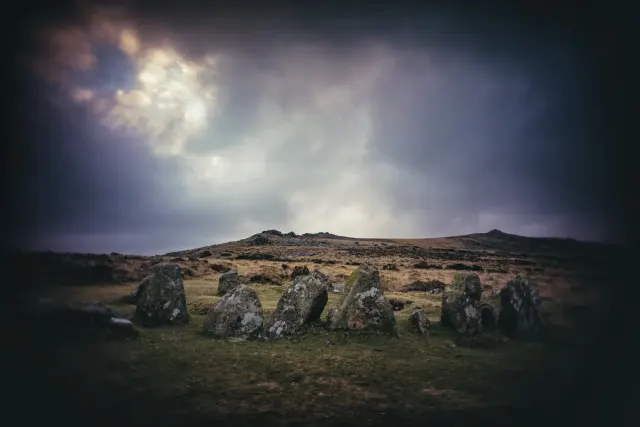
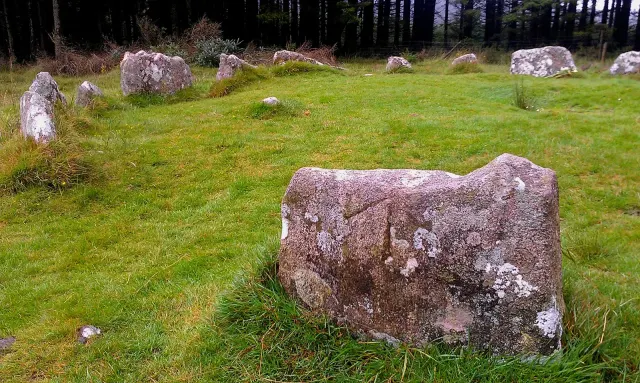
A Bronze Age cairn circle of at least sixteen low granite stones on the western slope below Belstone Tor, known as the Nine Maidens or the Nine Stones.
“Therefore the little river divides and leaps and tumbles foaming over the mossy granite, or creeps beneath the boulders by invisible ways.”
Who wrote this?
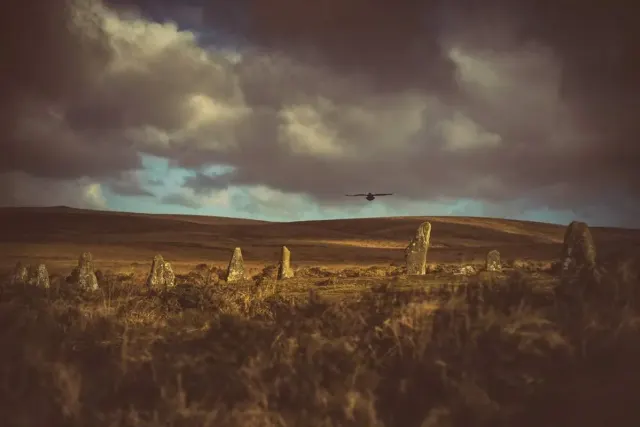
A Bronze Age stone circle on open moorland, with weathered stones still standing after thousands of years on Dartmoor's high ground.
Gidleigh, Chagford
A Bronze Age stone circle standing among open moorland.
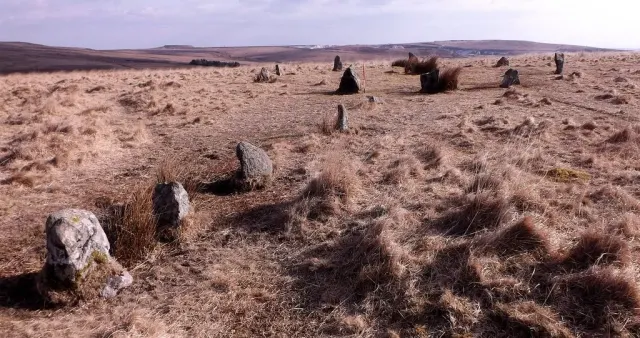
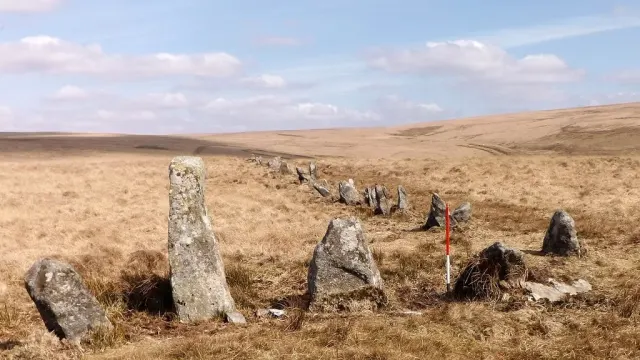
An incomplete stone circle 29.6 m across on a ridge between the West Dart and Swincombe valleys, with nine stones standing.
Stone circle about 300 metres south-west of Sittaford Tor, found by Alan Endacott in 2007 and dated by radiocarbon to the end of the third millennium BC.
Bronze Age stones arranged in a circle on open moorland, a window into Dartmoor's ancient past.
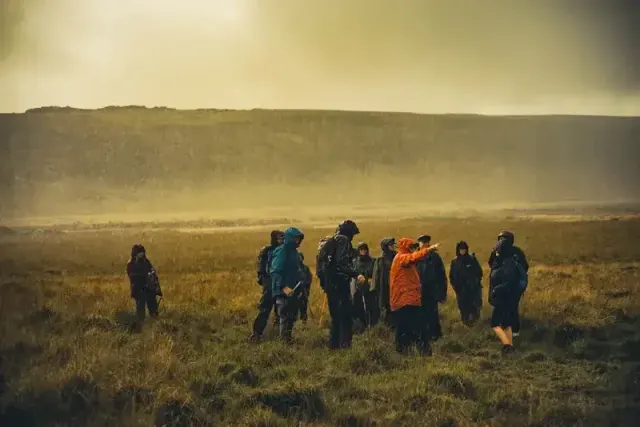
Photograph by Glavind Strachan Photography“the fog-wreaths came crawling round both corners of the house and rolled slowly into one dense bank on which the upper floor and the roof floated like a strange ship upon a shadowy sea.”
Also on Our DartmoorDartmeet Bridge — Two-arched granite county bridge of 1792 over the East Dart at Dartmeet, with a tablet reading County Bridge 1792 and a clapper bridge 20 metres upstream.